Varicose veins: causes, symptoms and surgery
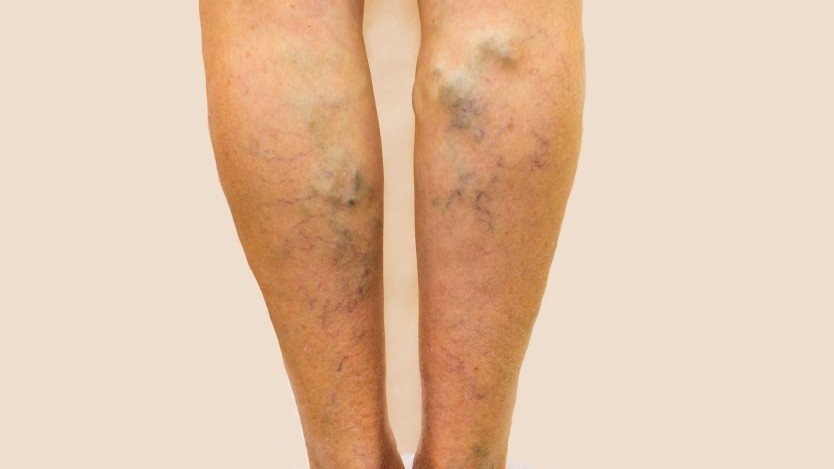
- What are varicose veins?
- What causes varicose veins?
- Types of varicose veins
- Grades of varicose veins in the legs
- Symptoms of varicose veins
- Diagnosis of varicose veins
- Treatment to remove varicose veins in the legs
- Request an appointment for varicose vein surgery

Come to Spain for your surgery or treatment
We manage everything from start to finish
- Varicose veins are caused by circulation problems that make the veins swell and dilate, together with other very bothersome symptoms.
- The best known are those in the legs, but varicose veins can also appear in the testicles, abdomen, etc.
- Although they are more common in women, especially in the legs, men can also have varicose veins.
What are varicose veins?
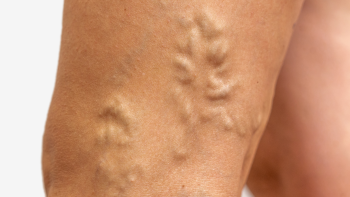
Varicose veins are caused by circulation problems that make the veins swell and dilate.

Do you need varicose vein surgery?
Request an appointment with no waiting time with one of our vascular surgery specialists
If the symptoms are not treated in time, complications become more likely, such as phlebitis, skin changes and discolouration, thrombosis or bleeding, especially in the legs.
Varicose veins in the anal area are what we know as haemorrhoids, while those in the testicle are called varicocele, and their symptoms differ from those of varicose veins in the legs.

The longer treatment is delayed, the more likely surgery will be needed, although in some cases varicose veins are not detected until symptoms appear. Below we explain why they form.
What causes varicose veins?
Varicose veins in the legs can appear in both men and women, although they are more common in women. Apart from varicocele, which can have other causes, the main factors are:
- Genetic inheritance: the risk is higher if your parents have had them.
- Pregnancy: varicose veins are very common, due to hormonal changes, the pressure of the uterus on the veins and weight gain.
- Obesity or weight gain: the extra weight puts pressure on the veins, which dilate.
- Sedentary lifestyle: lack of movement slows circulation and dilates the veins.
- Ageing: blood vessels lose elasticity, blood flow slows down and blood pools, leading to varicose veins.
- Standing for long periods: it increases pressure in the veins and makes it harder for blood to return to the heart.
- Wearing very tight clothing: it can hinder circulation, dilate the veins and favour the slow reflux typical of varicose veins.
These factors increase the likelihood of varicose veins but do not determine that they will appear. Knowing them helps to prevent them. Below we describe the different types of varicose veins.

Do you need varicose vein surgery?
Request an appointment with no waiting time with one of our vascular surgery specialists
Types of varicose veins
There are different types of varicose veins depending on where they are. We mention them all briefly and focus on those in the legs later on:
- Legs: they are often linked to standing for long periods. The veins of the legs and feet are the most affected; the pressure in the veins of the limbs causes blood to pool and the vessels to dilate. These are what are commonly known as varicose veins.
- Abdominal: inflamed or swollen veins in the abdomen, groin and upper thighs. They need medical assessment, as they can indicate a problem in deeper veins.
- Pelvic: they usually appear during pregnancy, due to increased hormones and blood volume. They should be assessed by a professional, as they can cause chronic pelvic pain.
- Vulvar: they appear in the same way as pelvic varicose veins, during pregnancy, due to greater pressure on the vulva. They usually disappear after pregnancy; if they persist, treatment may be recommended.
- Uterine: unlike the most common varicose veins, they are not visible and are usually detected because of discomfort or pain. If you have these symptoms, see a doctor to determine the treatment.
- Testicular (varicocele): the veins that drain the testicles are dilated and blood flows back more slowly than normal. It is often not visible and is discovered when looking for other genital problems. When visible, it shows as an enlarged scrotum or discomfort in the testicles when standing. Find out more about varicocele treatment here.
- Haemorrhoids: internal or external varicose veins in the anus, caused by increased pressure in the veins of the haemorrhoidal plexus. They usually cause pain, itching or swelling. Surgery is the most common definitive solution, although they can be treated conservatively in the early stages. Find out more about haemorrhoid treatment here.

Grades of varicose veins in the legs
Varicose veins in the legs are classified into four grades according to their severity, mainly based on the symptoms:
- Grade 1: in the early stages, small veins or spider veins appear, which can cause heaviness and tiredness in the legs. They are mainly an aesthetic problem and do not require surgery, but preventive treatment is recommended so that they do not get worse.
- Grade 2: the varicose veins are more visible, with slight swelling and often pain. Surgery is not always necessary, but it is important to see a doctor and start treatment to stop the problem getting worse.
- Grade 3: the veins are much more dilated and problems gradually appear, such as more swelling and pain, varicose veins extending along the whole area, skin discolouration and oedema. In these cases varicose vein surgery may be considered.
- Grade 4: there is marked swelling of the veins and pain. This is when the most serious complications appear, such as ulcers, which are difficult to treat and easily infected, as well as a higher risk of thrombosis. It is the most serious stage, and surgery is the most recommended solution.
Do you need varicose vein surgery?
Request an appointment with no waiting time with one of our vascular surgery specialists
Symptoms of varicose veins
The symptoms vary from case to case. A patient may have varicose veins without most of the symptoms and still have an advanced grade of the disease. Typical symptoms include:
- Visible veins: the first symptom is usually being able to see them at the back of the knees and on the inner thighs, although they can appear elsewhere.
- Tired, heavy legs: usually after staying still for a long time.
- Pain: in the area where the dilated vein can be seen and along its course.
- Occasional cramps.
- Tingling when staying in the same position.
- Warmth, itching or stinging: usually in the lower parts of the legs, ankles or feet.
- Swollen feet and ankles: if not treated early, the swelling may spread up the leg. At first it improves with rest, but it can become permanent.
- Skin discolouration: as varicose veins are close to the skin surface, small leaks of blood can change the skin colour.
- Dilated, twisted veins: as they dilate, varicose veins need more space and can become twisted.

Diagnosis of varicose veins
Varicose veins are usually diagnosed with a simple medical examination, although tests are sometimes done to assess the severity and rule out other conditions.
Do you need varicose vein surgery?
Request an appointment with no waiting time with one of our vascular surgery specialists
The diagnosis is usually made by a specialist in vascular surgery and angiology, a doctor specialised in diseases of the blood vessels. In some cases it may also be made by a general surgeon. The area is usually examined while the patient is standing.
Other tests that may be done are:
- Doppler ultrasound: used to examine the circulation in the veins and detect clots. It uses sound waves to produce images of the body. It is practically essential before surgery.
- Phlebography: used in specific cases to see blood flow in the veins in more detail. A contrast solution is injected into the veins so that they show up on X-ray images.
After the diagnosis, the treatment will depend on the type of varicose veins. For grade 3 or 4 varicose veins, surgery is recommended, as it is the most effective option in these cases.
Treatment to remove varicose veins in the legs
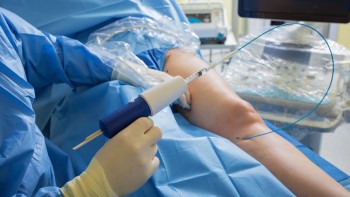
The most widely used techniques to treat varicose veins are radiofrequency ablation, endovenous laser and saphenectomy or complete stripping. Here we explain the latter, which consists of removing the great (internal) or small (external) saphenous vein, where varicose veins usually form.
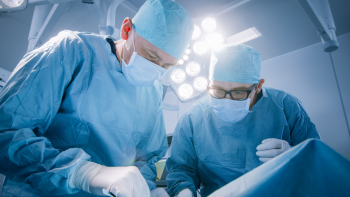
To perform the saphenectomy, the specialist makes an incision in the groin and another lower down the leg, at the knee or ankle, depending on where the vein will be removed. The saphenous vein is tied off where it joins the deep vein in the groin, to prevent reflux and bleeding.
A thin, flexible wire called a phleboextractor (stripper) is then inserted to pull out the affected vein through the lower incision (ankle or knee). Diseased secondary veins are then removed through small incisions (phlebectomy).
After removal, the incisions are stitched and the wounds dressed, and a compression bandage is applied to help restore normal circulation.

The patient is then taken to the recovery room and woken up.
Varicose vein surgery by saphenectomy takes about 60 to 90 minutes, depending on the severity of each case.
Request an appointment for varicose vein surgery
If you need more information about varicose vein surgery or would like an assessment consultation, you can request one by clicking below:
Do you need varicose vein surgery?
Request an appointment with no waiting time with one of our vascular surgery specialists
You can also contact our patient care team or call us on +34 91 141 33 56.
Come to Spain for your surgery or treatment
We manage everything from start to finish
Medical disclaimer: All the published content in Operarme is intended to disseminate reliable medical information to the general public, and is reviewed by healthcare professionals. In any case should this information be used to perform a diagnosis, indicate a treatment, or replace the medical assessment of a professional in a face to face consultation. Find more information in the links below: