What does varicose vein surgery consist of?

- What are varicose veins?
- Varicose vein stripping surgery
- Varicose vein surgery with Chiva technique
- Varicose veins surgery with endolaser

Come to Spain for your surgery or treatment
We manage everything from start to finish
- Varicose vein surgery is performed for medical or aesthetic reasons.
- The operation for varicose veins can be performed using 3 main methods
- Recovery from varicose vein surgery depends on the type of surgery used.
What are varicose veins?
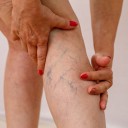
Varicose veins appear gradually and are mainly due to poor circulation in the legs, which causes the veins to swell and the veins to dilate. This can lead to medical problems such as phlebitis, pigmentation, thrombosis or bleeding.
Some of the causes are overweight, pregnancy, jobs where you spend a lot of time on your feet or constant exposure to heat sources.

Do you need varicose vein surgery?
Request a free and immediate appointment with our specialists in vascular surgery
In addition to aesthetic reasons, varicose vein surgery is performed for medically relevant reasons such as the formation of clots in the veins, called varicose thrombosis, haemorrhages or venous ulcers, which can become complicated.
Varicose vein surgery can be performed in 3 ways that we discuss in the following sections.
Varicose vein stripping surgery
This involves removing the entire internal and external saphenous veins. First, the surgeon will make an incision in the groyne area and another in the ankle or knee.
The specialist will ligate the vein at the top to prevent bleeding and remove the vein using a wire through the lower incision. This is an aggressive operation, but it eliminates the possibility of varicose veins recurring.

Varicose vein surgery with Chiva technique
This varicose vein operation technique is an outpatient procedure. In this case, an ultrasound scan of the area is performed to determine the exact location of the complication. This technique consists of ligating the dilated veins so that the blood flows through the lateral veins. Approximately 3 months later, the varicose veins will have completely disappeared.
Varicose veins surgery with endolaser
This is a minimally invasive technique performed under local anaesthesia that involves the removal of varicose veins using a laser. It is a quick and relatively simple operation, which only requires a bandage on the treated areas. Also, sometimes a laser is not enough and other surgical procedures are required to completely eliminate the problem.
Recovery after varicose vein surgery depends directly on the technique used. In the case of varicose vein operations using chiva surgery or endolaser, recovery is immediate, as no hospitalisation is required, whereas in conventional varicose vein operations, recovery can take up to 10 days.

Do you need varicose vein surgery?
Request a free and immediate appointment with our specialists in vascular surgery
Come to Spain for your surgery or treatment
We manage everything from start to finish
Medical disclaimer: All the published content in Operarme is intended to disseminate reliable medical information to the general public, and is reviewed by healthcare professionals. In any case should this information be used to perform a diagnosis, indicate a treatment, or replace the medical assessment of a professional in a face to face consultation. Find more information in the links below: