Varicose vein surgery: what do I need to know?
- Is it possible to prevent the appearance of varicose veins?
- Symptoms of varicose veins
- Why is varicose vein surgery performed?
- What treatments are available to eliminate varicose veins?
- Saphenectomy surgery: step by step
- Request an assessment consultation with us

Come to Spain for your surgery or treatment
We manage everything from start to finish
- Varicose vein surgery can be performed using different techniques, including conventional surgery by saphenectomy or the more modern surgery using the laser technique.
- The type of treatment the patient undergoes usually varies depending on the state of the varicose veins and the complications they may present.
- Although the recovery time after saphenectomy surgery is longer, its results are very good and long-lasting.
So that you can make the best decision about varicose vein treatment for yourself or to help someone close to you who suffers from varicose veins, we will explain the remedies that exist and some of the most important prevention guidelines if you can still avoid varicose veins.

Do you need varicose vein surgery?
Request an appointment with no waiting time with one of our vascular surgery specialists
As you know, the appearance of varicose veins is due to circulatory problems that cause swelling and dilation of the veins. As a general rule, the problem gets progressively worse if you do not see a specialist who will recommend one of the numerous treatments. Be sure that timely treatment will help you avoid future complications.
In the following sections, you can find more specific information about the different surgical treatments to solve this condition, as well as other interesting information to take into account before making the decision to undergo surgery.
Is it possible to prevent the appearance of varicose veins?
It is possible to prevent varicose veins by taking a series of measures that we will explain below:
- Food care: In order to prevent varicose veins, it is advisable to maintain a diet rich in fibre, fruit, vegetables and cereals, thus avoiding excess weight and constipation.
- Hygienic measures: You should take special care if your skin is weak, keeping the affected areas clean daily with soap and water, thus avoiding the risk of infection. In more complex cases, such as the appearance of ulcers, you will have to cure the area by cleaning it with physiological saline solution and applying healing and antibiotic ointments.
- Massage: Massage daily, while lying down and with your legs elevated, from the ankle to the thigh. It will help to improve circulation and prevent blood stagnation and dilation of the veins.
- Regular exercise: It is highly recommended to exercise regularly, mainly walking. This helps to maintain a strong musculature and helps the blood to be pushed towards the heart, preventing the veins from dilating and the blood from accumulating in the legs and forming varicose veins.

- Footwear and clothing: You should avoid flat shoes with thin soles, sandals, high heels or tight shoes, as these hinder venous return. It is better to wear shoes with soles and above all comfortable shoes. If you notice heaviness in your legs or swelling, you can wear elastic stockings with progressive compression. Avoid wearing tight-fitting clothes as, by compressing certain areas, they can hinder venous return.
- Posture: In general, you should avoid standing for long periods of time without moving or sitting for long periods of time. If your work requires the postures mentioned above, it is advisable to sleep with your legs slightly elevated (15 cm) so that your legs rest and circulation is normalised.
- Avoid drastic changes in temperature: You should avoid extreme temperatures as much as possible, especially when they only affect the lower limbs. This can cause the veins to dilate and contract very quickly, negatively affecting their function.
We remind you that these indications are general and may vary according to the characteristics of each individual, so you should consult your doctor about the most suitable ones for you.
Symptoms of varicose veins
The characteristic symptoms of this pathology vary in each case. It is possible that you suffer from varicose veins but do not have most of the symptoms, but still have an advanced degree of the disease.
Typical symptoms include:
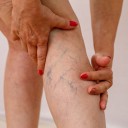
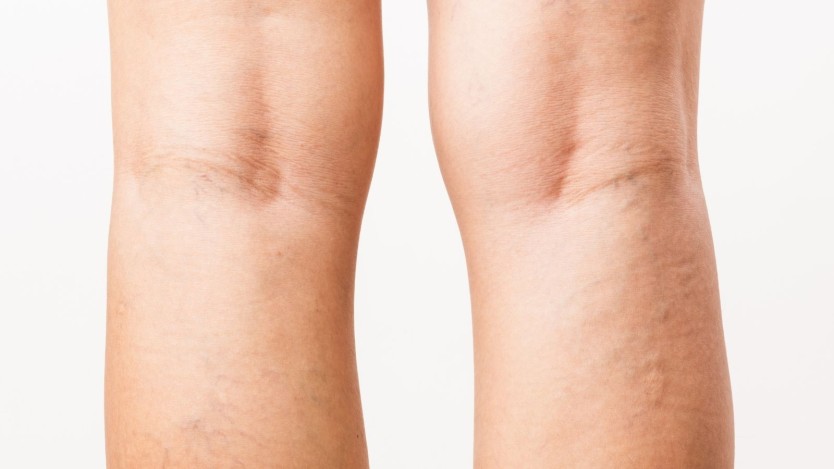
- Visibility of veins: One of the first symptoms of varicose veins is usually that the affected veins become visible through the skin, especially at the back of the knees and inner thighs.
- Tiredness and heaviness in the legs: You may notice this symptom more often when you are in one position for a long time, especially when standing.
- Pain: You may notice discomfort and pain in the affected area where the dilated vein is seen.
- Sporadic cramps.
- Tingling when standing in the same position.
- Warmth, itching or stinging: These signs can usually be noticed in the lower areas of the limbs, in the ankles or feet.
- Swelling in the feet and ankles: If you do not treat the problem during the early stages, it is possible that the swelling will go up along the affected area.
- Skin discolouration: Varicose veins usually form close to the surface of the skin and can cause bleeding that affects the skin colour.
- Dilated and twisted veins: Due to the dilation of the varicose veins, these can become twisted in order to obtain more space in the area.

Why is varicose vein surgery performed?
Varicose vein surgery is usually performed for both medical and aesthetic reasons, as it eliminates symptoms such as tired legs, swelling, oedema or cramps, improving the appearance of the affected area and returning the area to a normal, healthy appearance without visible veins.
In addition to aesthetic reasons, varicose vein surgery is performed for medically relevant reasons such as avoiding the formation of clots in the veins, a complication known as varicothrombosis, haemorrhages or venous ulcers, which can become complicated.

Do you need varicose vein surgery?
Request an appointment with no waiting time with one of our vascular surgery specialists
What treatments are available to eliminate varicose veins?
As for the treatments you can use to eliminate varicose veins, in this section, we explain the procedure for each one and emphasise that, whichever one you use, the results are very good in most cases.

Varicose vein surgery by stripping or saphenectomy
This conventional procedure consists of removing the affected saphenous vein completely. It has traditionally been the most widely used procedure for medium and large varicose veins, as the diseased vein is completely removed. General or epidural anaesthesia is usually used during this procedure.
Recovery after surgery is usually achieved in approximately 10 days.
However, there is also the possibility of performing the varicose vein procedure with an endovenous laser, which is a less invasive procedure. We explain it below:
Varicose vein surgery with endovenous laser
This technique is minimally invasive and is performed under local anaesthesia. It is a quick and simple operation in which the laser is used to eliminate the affected veins. In addition, only a bandage is required on the treated areas after surgery. This technique can treat most varicose veins of the saphenous veins, and the patient can return home the same day, on foot. If you are interested in this procedure, you can read more about it below:
Saphenectomy surgery: step by step
Let us put ourselves in the situation. So that you can see what the day of the operation would be like, in this section we will explain all the steps to follow from admission until you are discharged to go home.
On the day of the operation, you will go to the hospital where you will hand in the corresponding documentation in admissions, and then you will be accompanied to a pre-surgical room where you will be asked to put on your operating theatre clothes.
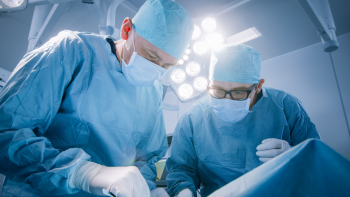
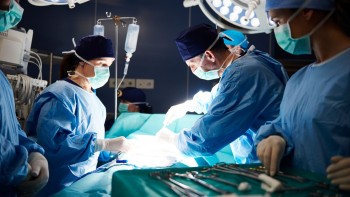
After that, you will be taken to the operating theatre and the operation will begin. In this case we are going to explain the process of conventional varicose vein surgery by saphenectomy, but you can see the step-by-step procedure for varicose veins with endovenous laser here.
Once inside the operating theatre, after administering the anaesthesia, the surgery begins:
- First of all, the surgeon disinfects the area to be operated on, having previously shaved it if necessary.
- To perform the saphenectomy, the specialist will make an incision in the groin and another in the lower leg, either in the knee or the ankle, depending on the area where the extraction is to be performed.
- The saphenous vein is then tied off where it joins the deep vein in the groin, to prevent reflux and bleeding.
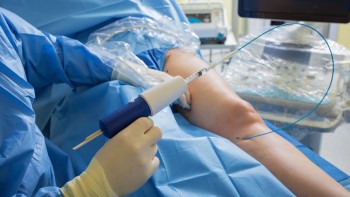
- After ligation, the specialist introduces a thin, flexible cable called a phleboextractor, with which the affected vein is dragged until it is extracted through the lower incision (ankle or knee). Once the affected saphenous veins have been removed, the secondary veins detected as diseased are removed through small incisions (phlebectomy).
- After excision, the incisions are sutured and the wounds are dressed. A second compressive bandage is then applied to the area to help restore proper blood circulation.
- At the end of this dressing, the patient is taken to the recovery room and woken up.
In general, you will have to stay in hospital for at least one day after surgery, as it is very important that you are resting and your doctor assesses that everything has gone well. After the period in hospital and after all the post-surgical instructions that you will have to follow during your recovery, you can return home to continue recovering.

If you want more information about what happens after surgery you can read the following articles:
Request an assessment consultation with us
If you are thinking of having surgery but don't know which doctor or hospital to go to, at Operarme we make things easier for you by providing you with a free surgical assessment consultation.
This way you can meet our Varicose Vein Specialist in your city, discuss your case and together we can assess the best treatment for you.
If you need more information, please do not hesitate to contact our patient service team via our contact form or by calling at +34 91 141 33 56.
If you are sure you want to meet one of our specialists in varicose vein surgery by saphenectomy, you can click below and request a free surgical assessment consultation in just a few steps:
Do you need varicose vein surgery?
Request an appointment with no waiting time with one of our vascular surgery specialists
Come to Spain for your surgery or treatment
We manage everything from start to finish
Medical disclaimer: All the published content in Operarme is intended to disseminate reliable medical information to the general public, and is reviewed by healthcare professionals. In any case should this information be used to perform a diagnosis, indicate a treatment, or replace the medical assessment of a professional in a face to face consultation. Find more information in the links below: