
Single Jaw Orthognathic Surgery
- Hospital stay: 1 day
- Surgery time: 2 - 4 hours
- Anaesthesia: General
- Full recovery: 2 - 3 months
Fixed price
12.990 €
All included
Consult financing conditions
Financing is available* for amounts over €150, and can be financed from 3 and to 24 months. The financing process is subject to approval by the collaborating financial entities. For further information on the financing conditions, please do not hesitate to contact us at +34 91 141 33 56 or through this contact form. Our Patient Service department will provide you with the information you need and explain the financing process. Find additional information about funding in the following link. *Operarme’s team manages the funding of surgical procedures and medical tests. The financing management of dental services is only performed at Caser Dental Clinics.
What is included in this service
What does it involve?
-

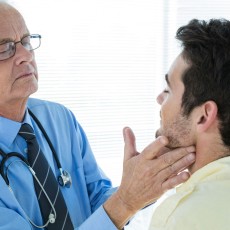
Meet the Maxillofacial specialist and assess your case for surgical treatment.
-

Our specialist will review your medical tests, perform a physical examination, answer your questions and give surgical assessment if surgery is needed.
-

If you decide to go ahead with the surgery, you will receive surgery date from the specialist during the visit.
What do our patients think?

La experiencia ha sido muy satisfactoria. La atención recibida del...
Total Hip Replacement
Traumatology Team of Viamed Santa Elena
Hospital Viamed Santa Elena
Muy satisfactoria
Total Knee Replacement
Traumatology Team of HSJD Córdoba
Hospital San Juan de Dios
Mi experiencia fue muy buena, desde el primer momento me...
Abdominal Myomectomy (Uterine Fibroids Removal)
Equipo de Ginecología de la Clínica Santa Isabel
Clínica HLA Santa Isabel
Yo tenía total confianza en la cirugía de Dr Valverde...
Total Hip Replacement
Dr. Francisco Valverde Cámara
Hospital Dr. Gálvez
Un servicio excelente tanto de la organización de la operación...
Abdominal Hysterectomy
Equipo de Ginecología de la Clínica Santa Isabel
Clínica HLA Santa Isabel
Experiencia excelente. Rapidez tanto en la gestión como en la...
Phimosis Surgery in Spain
Equipo de Urología de la Clínica Santa Isabel
Clínica HLA Santa Isabel
En general todo el proceso fue muy bien, pero noté...
Hydrocele repair surgery
Dr. Carles Xavier Raventós Busquets
Clínica Ntra. Sra. del Remei
Desde el primer contacto con "operarme.es" hasta las comprobaciones que...
Carpal Tunnel Syndrome surgery
Dr. Rafael Llombart Ais
La Salud Hospital
What is included?
-
Free surgical consultation
Ask for a free, immediate surgical consultation with our specialist in Maxillofacial surgery.
Meet the doctor on a face-to-face consultation to assess your health problem, and then decide together your best options for surgical treatment.
-
Preoperative study
A complete pre-operative study will be performed: including a blood analysis, electrocardiogram and chest-X ray.
Also a consultation with the Anaesthetist will be held to see if you are suitable for the surgery.
-
Surgical procedure expenses and fees
- Reservation and booking of the operation room, instruments, equipment,consumables and medication of the surgical procedure.
- Medication (non cytostatic nor monoclonal antibody or derivatives), medical gases, Stay in the postoperative recovery room, monitorization and necesary treatments.
- Surgeon, assistant and anaesthetist fees until your medical discharge.
If there was any special need in the surgical process, by express indication of the doctor, the client will be informed of the variation in the price prior to surgery, and must be accepted to continue with the process.
-
Hospital stay
The hospital stay is for 1 day in a private room with a spare bed for your companion.
-
Transfer service
Leave your car at home while you stay at the hospital. A free transfer will be organized for your hospital admission day, and for your return home after hospital discharge. Service only available inside the metropolitan area.
Read the terms and conditions here.
If you woud like to receive more information about this service, please contact our patient service department.
-
Medical complications insurance
Single Jaw Orthognathic Surgery includes a medical complications insurance covering possible eventualities that may affect the patient during the surgical procedure, and 30 days after the surgical intervention (including a re-intervention if needed).
Medical complications insurance covers related surgical procedure expenses, such as:
- Increase in your hospital stay after surgery.
- Hospital admission after hospital discharge due to medical complications.
- Re-intervention and hospital stay up to the established amount established in the Particular Conditions.
Under no circumstances this insurance will cover emergency visits or medical review consultations after hospital discharge.
If you woud like to receive more information about this service, please contact our patient service department.
-
Post-surgical consultations
2 post-surgical consultations are included in the fixed price of this surgery.
If more consultations are necessary, they must be managed through Operarme's Patient Service team and paid at a preferential price. For more information or request additional consultation, contact our patient service team.
Post-surgical consultations NOT included in the closed price of the surgical process have a price of €39 per appointment.
Information of Single Jaw Orthognathic Surgery
- 01. All you need to know about Single Jaw Orthognathic surgery
- 02. What is orthognathic surgery?
- 03. Who is a candidate for single jaw orthognathic surgery?
- 04. Assessment consultation with the Maxillofacial Surgery specialist
- 05. Preoperative assessment for Single Jaw Orthognathic Surgery
- 06. Single jaw orthognathic surgery: step-by-step
- 07. Postoperative care for single jaw orthognathic surgery
- 08. Recovery time after single jaw orthognathic surgery
- 09. Cost of single jaw orthognathic surgery with Operarme
01. All you need to know about Single Jaw Orthognathic surgery
Facial deformities or disharmonies that can be corrected through orthognathic surgery typically arise due to either excessive or insufficient growth of the lower jaw (mandible), the upper jaw (maxilla), or both.
These conditions can result in prognathism, retrognathia, gummy smile, and open bite, among others, which we will explain in more detail below.
In this case, we will focus on single jaw orthognathic surgery, which involves the correction of only one of the two jaws. However, the final decision on which jaw needs to be treated will always be made in consultation with the maxillofacial surgery specialist.
Single jaw orthognathic surgery is a major procedure that requires the use of prosthetic materials, general anaesthesia, and a one-day hospital stay.
02. What is orthognathic surgery?
Orthognathic surgery is performed to correct facial deformities caused by abnormal growth of the facial bones, including the jaw, upper maxilla, and chin.
While one of its goals is often to improve facial aesthetics, the procedure also brings significant functional benefits. These may include improved jaw joint mobility, better breathing, enhanced swallowing function, and relief from conditions such as sleep apnoea.
At Operarme, the surgery includes all necessary prosthetic materials and screws required to carry out the procedure.
In many cases, orthognathic surgery is complemented by a period of orthodontic treatment. This will be advised by the maxillofacial surgeon and you will be fully informed about it prior to the procedure.

Are you interested in jaw surgery?
Request a free assessment appointment with our specialists in Orthognathic surgery and set an intervention date for the treatment
03. Who is a candidate for single jaw orthognathic surgery?
Single jaw orthognathic surgery is typically performed on individuals who, due to abnormal growth of the facial bones — including the jaw, maxilla, and chin — experience facial disharmony that impacts both their appearance and daily function.
The duration of single jaw orthognathic surgery ranges between 2 and 4 hours, depending on each case.
Before outlining the specific reasons for undergoing this procedure, it is worth noting that the recommended minimum age for surgery is around 19 for men and 16 or 17 for women. However, it is often advisable to wait until the age of 20 or 21 to ensure full skeletal development.
This type of surgery is also considered in cases where orthodontics alone is not a viable option due to the severity of the deformity.
The main reason for undergoing either single jaw or bimaxillary orthognathic surgery is the presence of a skeletal deformity that causes facial asymmetry and functional issues.
Although you likely already have an idea of the issue that has brought you to this page, we’ll now explain the different types of deformities that can be corrected through orthognathic surgery:
Mandibular retrognathia
Its correction is known as Class II orthognathic surgery. It occurs when the lower jaw has not developed in proportion to the rest of the facial structures, appearing small or set back, making it impossible for the teeth to align properly with the upper jaw.
This type of deformity, in addition to its aesthetic implications, can lead to issues such as temporomandibular joint (TMJ) disorders, snoring, obstructive sleep apnoea, voice alterations, swallowing difficulties, and dental problems caused by excessive strain during chewing.
The correction of this condition may be carried out through single jaw orthognathic surgery or chin surgery, depending on the specific case. However, in some situations, bimaxillary surgery may be necessary to achieve the best possible outcome.
Mandibular prognathism
Also known as Class III orthognathic surgery when referring to its correction, this condition occurs when the lower jaw is positioned forward in relation to the upper jaw,making it impossible to properly close the teeth. Mandibular prognathism is caused either by excessive growth of the lower jaw or by underdevelopment of the upper jaw.
In addition to aesthetic concerns—often giving the patient a more pronounced or coarse facial profile—this deformity can result in functional issues such as temporomandibular joint (TMJ) disorders, difficulties with swallowing or speech, and dental problems due to the extra effort required for chewing.
To correct this condition, either single jaw or bimaxillary surgery may be necessary, depending on the specific case. Orthodontic treatment is also typically required.
Open bite
An open bite can be caused by dental issues due to the incorrect positioning of the teeth, which can often be resolved with orthodontics, or by skeletal causes, involving abnormal growth of the facial bones that lead to this malocclusion.
While there are different types of open bite, the most common is the anterior open bite, where the upper and lower front teeth do not make contact. In adult patients or in more severe cases, which often have a skeletal origin, treatment must be combined orthodontics and orthognathic surgery.
Orthodontic treatment is required first to align the teeth and position them correctly to allow proper adjustment of the jaws and correction of the open bite.
Following this, orthognathic surgery is performed to reposition the upper jaw and the lower jaw, or just one of them, depending on the case (which is why a surgical assessment consultation with our specialist is important) to close the open bite and achieve the desired result. Finally, further orthodontic treatment will be necessary to stabilise the correction and make any final adjustments.
Facial asymmetry
Although no person has a perfectly symmetrical face, beauty is often associated with facial harmony, which is why individuals with pronounced asymmetry sometimes opt for orthognathic surgery to achieve an ideal appearance.
Facial asymmetry can result from skeletal imbalances, caused by excessive or deficient growth of the upper jaw or lower jaw; it can be generalised, due to imbalances anywhere on the face; or dental asymmetry, which requires correction of the teeth.
The solution for asymmetry depends on each case, but there are several options, including single-jaw or double-jaw orthognathic surgery, genioplasty (chin surgery) when the problem lies in the chin, angle prostheses, or angle surgery, either using silicone implants to reshape the area or performing osteotomy to restore facial symmetry.
Gummy smile
As you might imagine, a gummy smile refers to showing more gum than is considered normal when smiling. This issue is more aesthetic than functional and varies in severity depending on how much gum is visible.
It can be easily treated in some cases, while in others orthognathic surgery may be required:
- Mild gummy smile: This occurs when between 2 and 4 millimetres of gum is visible when smiling. This situation is often more of a perception issue for the patient rather than others, so a simpler solution may be possible.
- Moderate gummy smile: This is when 4 to 6 millimetres of gum is exposed, and it starts to be perceived as an aesthetic problem. In these cases, orthognathic surgery is not always necessary, but it will depend on the specialist’s evaluation during the consultation.
- Severe gummy smile: Considered severe when 6 millimetres or more of gum is shown when smiling. In these cases, orthognathic surgery is usually performed, typically single-jaw surgery if the case is not very complex, to shorten the length of the face.
How do I know if I need single or double-jaw surgery?
To determine whether you need single-jaw (monomaxillary) orthognathic surgery, double-jaw (bimaxillary) surgery, genioplasty, or a combination of these procedures, it is best to attend a surgical assessment consultation with a Maxillofacial Surgery Specialist.
During this consultation, the surgeon will examine you, discuss your case, and if necessary, request specific diagnostic tests (such as panoramic X-rays, maxillary CT scans, bite splints, or 3D planning) to explain and decide which is the most suitable treatment option for your case.
Please note that these diagnostic tests are tailored to each individual and are not included in the price offered by Operarme nor the free surgical assessment consultation we offer; they must be paid for separately. If you have any questions about this process, feel free to contact our Patient Service Team here.
04. Assessment consultation with the Maxillofacial Surgery specialist
As we’ve aforementioned, the most important step before undergoing this type of procedure is the surgical assessment consultation with the Maxillofacial Surgery Specialist. The specialist will evaluate your case based on your individual needs and advise you on the best option for your situation.
To request your consultation, you can do so via our website by clicking on Request Appointment, through our contact form, or by calling us directly on +34 91 141 33 56 — we’ll be happy to assist you.
Similarly, you can also request your consultation by clicking on the image below:

Are you interested in jaw surgery?
Request a free assessment appointment with our specialists in Orthognathic surgery and set an intervention date for the treatment
Once your request has been submitted, you will receive all the information you need via email.
In addition, one of our Patient Service Advisors will get in touch with you to welcome you, confirm that the date and time of your appointment are suitable for you, and answer any questions or concerns you may have regarding the process.
On the day of the consultation, the specialist will listen to your concerns – for example, whether you are experiencing prognathism, retrognathia, a gummy smile, etc.
The specialist will then carry out a visual examination to confirm what you have described and will explain the best treatment option, whether it involves single jaw surgery, double jaw surgery, mentoplasty, or a combination.
The doctor will explain what the surgery involves, how long it will take, what the recovery will be like, and exactly what will be done. He/She will also answer all your questions and, in some cases, may request specific tests in order to accurately plan the procedure.
These tests may include: panoramic X-rays, maxillary CT scans, dental splints, or 3D surgical planning. The cost of these tests is not included in the price offered by Operarme, as they are not required in all cases.
You will need to pay for these tests directly at the hospital. Below is a brief explanation of what each one involves:
- 3D Planning: This allows your face to be analysed based on both functional and aesthetic concerns, taking your preferences into account and evaluating the features that may need to be altered. This type of planning is usually required in more complex cases.
- Panoramic X-rays: A type of X-ray that provides a full view of the teeth and the bones of both jaws.
- Maxillary CT scan: Produces a 3D image of the jaws and teeth.
Treatment approach
Single jaw orthognathic surgery corrects both aesthetic deformities and functional problems.
Depending on the type of deformity you present, a particular treatment approach will be recommended. Here’s an explanation:
- Conventional procedure: The standard process for orthognathic surgery involves the use of orthodontic treatment before surgery to properly align the teeth with respect to the bone structure. This is followed by the surgical intervention, in which the upper jaw and/or lower jaw are repositioned to fit together correctly. Finally, post-surgical orthodontic treatment is used to stabilise the bite and prevent the problem from recurring.
- Surgery First: This approach is more commonly used in cases of prognathism. It involves performing the orthognathic surgery first, followed by orthodontic treatment to achieve long-term stability. Whether or not this technique is appropriate depends on the individual case and will be assessed and recommended by the maxillofacial surgeon.
After the consultation, if you and the specialist decide to proceed with orthognathic surgery—whether single or double jaw—you may be able to agree on a date for the procedure with the surgeon.
In any case, our patient service team will contact you to assist with all the necessary arrangements and paperwork related to the surgery.
05. Preoperative assessment for Single Jaw Orthognathic Surgery
The preoperative stage for single jaw orthognathic surgery, as with other surgical procedures, includes three key tests:
- Electrocardiogram (ECG): This allows the medical team to assess your cardiovascular health and determine whether your heart is fit to withstand the procedure.
- Complete blood test: Blood analysis helps to confirm that the patient is in good general health and checks for any infections that may need to be treated before surgery.
- Chest X-ray: This is only carried out if the doctor deems it necessary. It helps to rule out any signs of infection and ensures that the trachea is correctly positioned.
Anaesthesia for single jaw orthognathic surgery
Single jaw orthognathic surgery is performed under general anaesthesia, as it is a major surgical procedure that typically lasts between 2 and 4 hours.
Therefore, prior to surgery, you will need to attend a consultation with the anaesthetist.
During this appointment, you’ll have the opportunity to ask any questions about the anaesthetic process. The anaesthetist will also review your preoperative test results and ask you several questions about your health, any previous surgeries, and your lifestyle habits. This may include whether you smoke, consume alcohol regularly, your diet, and any medications you take. This information helps ensure that the procedure can be carried out with the highest level of safety.
06. Single jaw orthognathic surgery: step-by-step
On the day of your admission, you will need to hand in the required documentation at the hospital’s admissions desk. Don’t worry—your dedicated Patient Service Team will let you know exactly which documents you need to bring.
After this, you will be taken to your hospital room to wait for surgery, or to a designated waiting area, depending on the scheduled time of your operation.
When it’s time for your procedure, you’ll be escorted to a pre-operative area, where you’ll change into surgical attire. A cannula will be placed through which anaesthesia and antibiotics will be administered.
Next, you will enter the operating theatre, where you’ll see the specialist who carried out your consultation, the anaesthetist, and possibly the orthodontist (if you underwent orthodontic treatment before surgery), as well as other members of the surgical and nursing team.
As mentioned earlier, orthognathic surgery is performed under general anaesthesia, as it is considered major surgery and can last up to 4 hours. There’s no need to worry—the anaesthetist will be present throughout the operation, closely monitoring the levels of anaesthesia and your vital signs to ensure maximum safety.
Once positioned on the operating table, as directed by the Maxillofacial Surgeon, the anaesthesia will be administered. Once it takes effect, the single jaw orthognathic surgery will begin.
We will now explain the steps involved, depending on whether the surgery is carried out on the upper jaw (maxilla) or the lower jaw (mandible):
Single jaw orthognathic surgery (upper jaw)
This is a minimally invasive procedure performed through intraoral incisions, which means no visible scars are left, and it helps to reduce bleeding, swelling, and postoperative pain.
- First, the maxillofacial surgeon accesses the upper jaw area through an incision in the front part of the mouth.
- The next step involves performing an osteotomy and repositioning the maxilla to place it in the desired position.
- Once the maxilla has been moved, it is repositioned with the help of a surgical splint. It is then fixed in place using titanium miniplates and screws.
- Finally, a second splint is used to reposition the mandible in relation to the maxilla, achieving the intended result.
After this final step, the surgeon uses absorbable stitches to close the incisions, marking the end of the procedure.
Single jaw orthognathic surgery (lower jaw)
As with the upper jaw procedure, this is also a minimally invasive surgery.
- First, the specialist accesses the mandible by making an incision behind the last molar on both sides.
- A bilateral osteotomy of the jaw is then performed using a microsaw.
- The next step is to stabilize the osteotomy with titanium miniplates and screws, following the same approach as with the upper jaw.
- Once the mandible is positioned correctly, the incisions are closed with sutures.
In cases of mandibular prognathism, this treatment may be carried out using the Surgery First approach—performing the surgery before starting orthodontics. You should discuss with your surgeon whether this option is suitable for your case.
In both cases, the duration of single jaw orthognathic surgery is approximately 2 to 4 hours, depending on the specific circumstances.
Once the surgery is completed, you will be awakened in the operating theatre and then taken to the recovery room to finish waking up from the anaesthesia. After this, you will be transferred to your hospital room.
07. Postoperative care for single jaw orthognathic surgery
The hospital stay following single jaw orthognathic surgery is typically 1 day, meaning you can usually return home the following day.
During your stay, the medical team will explain the guidelines you should follow at home, prescribe painkillers to help manage discomfort, and arrange your follow-up appointments.
If you have had your surgery with us at Operarme, don’t forget to inform your patient service advisor so you can make use of our free transport service to take you home.
The results are almost immediately noticeable, although it will take a few months to see the final outcome.
08. Recovery time after single jaw orthognathic surgery
The first few days at home following surgery will be the most challenging, as you’ll need to adjust your daily routine. Don’t worry—most patients are extremely happy with the results.
First week
The main discomfort during recovery is having to follow a liquid diet, which must be consumed using a straw or syringes. Typical foods include soups, puréed meals, smoothies, and the like.
Additionally, it's normal to wear elastics throughout the day to help support the jaw.
You'll need to sleep in an upright position, as post-surgical swelling can make breathing more difficult.
As you’ll notice, you won’t be able to speak naturally at first.
15 days after surgery
After the first two weeks, you should start noticing improvement, and you’ll move from a liquid diet to a soft food diet—eating foods like fish, scrambled eggs, and so on.
You’ll also only need to wear the elastics for a few hours a day, which makes everything more comfortable.
As for physical activity, you may begin doing light exercise, provided it does not involve any risk of impact to the operated area—such as walking, jogging, or practising yoga. Still, avoid overexerting yourself.
Sick leave tends to last 2 to 3 weeks for office jobs that don’t require speaking or lifting. For more physically demanding jobs, or those that involve a lot of speaking or public interaction, recovery time may extend to 1 or 2 months—check with your specialist.
One month after surgery
While recovery from single or double jaw orthognathic surgery varies from person to person, by the one-month mark, you should be able to lead a relatively normal life—except in terms of diet, which must remain soft for at least two months to avoid strain until the second month has passed.
Regarding contact sports, you’ll need to wait at least 3 months before resuming them. However, it’s always best to consult your specialist, who can advise you based on your specific case.
By the sixth month, recovery is considered complete, and you’ll be able to see the final results.
09. Cost of single jaw orthognathic surgery with Operarme
The cost of orthognathic surgery is 12.990 €.
Operarme includes everything necessary to perform the procedure with the highest guarantee of a successful outcome. The elements included in the price are designed not only to ensure safety, but also your comfort.
The following are included in the surgical package:
- Initial surgical assessment consultation
- Operating theatre reservation and use
- Complete preoperative tests
- Medical team fees
- Nursing team fees
- All necessary surgical materials
- Anaesthesia and recovery room booking
- Two postoperative check-ups
- Transfer service
- Medical Complications insurance
- Process management and personalised care
If you want to resolve your jaw issue and book a free surgical assessment consultation, call us at +34 91 141 33 56, or click on the button below:

Are you interested in jaw surgery?
Request a free assessment appointment with our specialists in Orthognathic surgery and set an intervention date for the treatment
Fixed price
12.990 €
All included
Consult financing conditions
Financing is available* for amounts over €150, and can be financed from 3 and to 24 months. The financing process is subject to approval by the collaborating financial entities. For further information on the financing conditions, please do not hesitate to contact us at +34 91 141 33 56 or through this contact form. Our Patient Service department will provide you with the information you need and explain the financing process. Find additional information about funding in the following link. *Operarme’s team manages the funding of surgical procedures and medical tests. The financing management of dental services is only performed at Caser Dental Clinics.
Step by step
-
Ask for a free consultation with the Maxillofacial surgery team.
-
Information will be sent to your email.
-
Our patient service team will call you to confirm the date.
-
Visit the doctor and decide if you would like to have surgery with us.
-
Regain your quality of life.
What do our patients think?
Frequent Questions
-
Do I have to take a PCR test before surgery?
Currently our collaborating hospitals and surgeons do not ask patients to take a PCR test as a mandatory requirement to enter the operating room.
If exceptionally this test would be required by the hospital or surgeon, we inform you that the PCR test is not included in the price of the surgery.
If you have any questions about this specific issue, please contact our patient service department.
Single Jaw Orthognathic Surgery
- Hospital stay: 1 day
- Surgery time: 2 - 4 hours
- Anaesthesia: General
- Full recovery: 2 - 3 months
Fixed price
12.990 €
All included
Consult financing conditions
Financing is available* for amounts over €150, and can be financed from 3 and to 24 months. The financing process is subject to approval by the collaborating financial entities. For further information on the financing conditions, please do not hesitate to contact us at +34 91 141 33 56 or through this contact form. Our Patient Service department will provide you with the information you need and explain the financing process. Find additional information about funding in the following link. *Operarme’s team manages the funding of surgical procedures and medical tests. The financing management of dental services is only performed at Caser Dental Clinics.