Recommended diet after inguinal hernia surgery
- Care after inguinal hernia surgery
- Recommended foods after inguinal hernia surgery
- Drinking plenty of water after inguinal hernia surgery
- Habits and foods to avoid after inguinal hernia surgery
- Other recommendations beyond diet after inguinal hernia surgery
- What happens if I still have constipation?
- Frequent Questions

Come to Spain for your surgery or treatment
We manage everything from start to finish
Care after inguinal hernia surgery
- After inguinal hernia surgery, it is common to have a slight lack of appetite due to the process and the use of anaesthesia.
- During the first few weeks it is advisable to eat a healthy diet rich in fruit and vegetables to avoid constipation.
- In the event of constipation, you should consult your doctor so that he/she can prescribe a laxative.
After the inguinal hernia surgery, either by laparoscopy or open surgery, the patient will remain in hospital for approximately 24 hours.
During this time, the patient should eat what they are told to eat, although it is possible that they may have little appetite after the operation due to the anaesthesia.
Once the patient has been discharged, he/she may continue to have a poor appetite for the following days, although it is important to eat properly.

Do you need an inguinal hernia surgery?
Request a free and immediate appointment with our specialists in general surgery
For this reason, below we provide you with a series of recommendations to follow so that your recovery gets off to the best possible start in terms of diet.
In any case, it is best to consult your doctor about the foods you can and cannot eat, but above all, do not eat any food you are allergic to, even if it is mentioned in the article.
Recommended foods after inguinal hernia surgery
First of all, there is no problem in continuing with a normal diet after an inguinal hernia surgery, there are usually no contraindicated foods, but it is recommended to eat a relatively healthy diet to ensure optimal recovery and reduce the chances of complications.
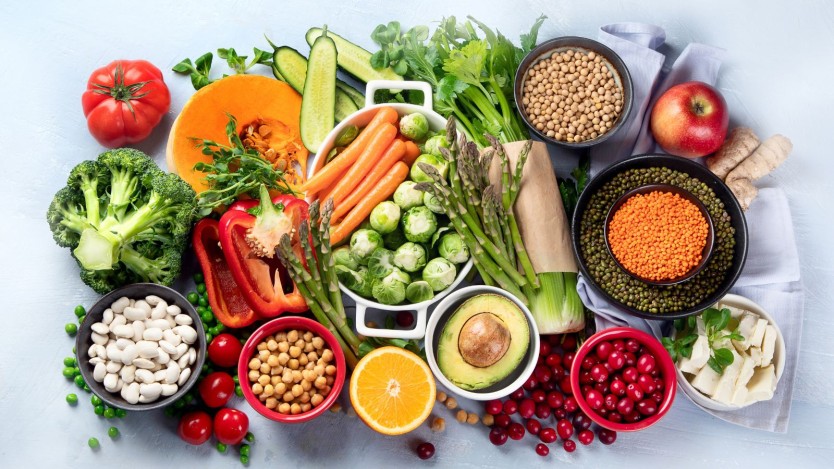
Generally speaking, it is always advisable to eat a balanced diet with plenty of fruit and vegetables, although after inguinal hernia surgery it is even more advisable.
This is because it is necessary to avoid overstraining the abdominal wall, one of the most common being when defecating, which is why foods rich in fibre are beneficial.
A diet rich in fibre during the postoperative period after inguinal hernia surgery will prevent excessive abdominal pressure and reduce the chances of complications.
This is quite important as it is not uncommon to have mild constipation after surgery with anaesthesia, nor is it uncommon to have constipation caused by any painkillers you may be taking to control the discomfort.

This is a list of foods that tend to contain the most fibre:
Cereals
The consumption of wholemeal bread, wheat, rye or pasta made with this type of cereal has a lot of fibre and favours intestinal transit.
Vegetables and pulses
In this case it is advisable that the vegetables and pulses you eat are boiled, so digestion will be much easier.
Fruits
Peaches, pears, tangerines, strawberries, sultanas, oranges and plums are some of the easiest fruits to find.
Drinking plenty of water after inguinal hernia surgery
Although water consumption should not be excessive, it is advisable to drink between 1.5 and 2 litres of water per day after inguinal hernia surgery, as this will allow the stool to soften and promote evacuation by avoiding excessive abdominal pressure.
Habits and foods to avoid after inguinal hernia surgery
After inguinal hernia surgery, as with any other surgery, it is advisable to avoid smoking and drinking alcohol as much as possible, as both delay healing as well as other problems.
On the other hand, there are also some foods, such as peppers, popcorn, fresh seeds, etc, that our body does not digest easily and can cause constipation, something to avoid as this article is trying to make clear, as it may have been the cause of the appearance of the hernia and in turn, may be the reason why it comes back.

It is also advisable not to overindulge in red meat during this recovery period, as a diet containing too much red meat and not enough fruit and vegetables can make it difficult to evacuate.
Other recommendations beyond diet after inguinal hernia surgery
Although at first you may feel discomfort, don't sit still all day, move around, walk a little every day at least.
This has various benefits, such as faster healing, as the body pumps more blood and when it reaches the area of the surgical wound it helps with the healing of the tissues, as well as moving around helps to improve intestinal transit, which means easier defecation.
What happens if I still have constipation?
Don't worry, it doesn't mean that the hernia will come back.
You should avoid overexerting yourself when you go to the toilet and if you are unable to do so, consult your doctor for a mild laxative to help you with the problem.

Do you need a specialist to review your case?
Purchase your medical voucher easily under Operarme's guarantees and select your nearest hospital.
Come to Spain for your surgery or treatment
We manage everything from start to finish
Medical disclaimer: All the published content in Operarme is intended to disseminate reliable medical information to the general public, and is reviewed by healthcare professionals. In any case should this information be used to perform a diagnosis, indicate a treatment, or replace the medical assessment of a professional in a face to face consultation. Find more information in the links below:
Frequent Questions
-
There is no problem in continuing with a normal diet after inguinal hernia surgery. However, a fibre-rich diet during the postoperative period will prevent excessive abdominal pressure:
- Cereals
- Vegetables
- Pulses
- Fruit
- Read more
-
After inguinal hernia surgery, as with any other surgery, it is advisable to avoid smoking and drinking alcohol as much as possible. There are also some foods that our body does not digest easily and that can cause constipation, such as:
- Peppers
- Popcorn
- Fresh seeds
- Etc. Read more.
-
The usual medical advice is to stay active and walk from the day after surgery. However, high-impact sports should be avoided completely for at least 3 weeks. Read more.
-
Healing after inguinal hernia surgery with mesh usually takes 3 weeks. However, if significant physical effort is involved, it may take up to 45 days. Certain habits help healing, such as avoiding some foods or high-impact sports. Read more.