Osteoarthritis of the Knee: What it is, Symptoms & Classification
- Facts about knee osteoarthritis
- What is knee osteoarthritis?
- Functions of articular cartilage and causes of cartilage damage
- How is knee osteoarthritis classified?
- What are the symptoms of osteoarthritis of the knee?
- Treatment of knee osteoarthritis

Come to Spain for your surgery or treatment
We manage everything from start to finish
Facts about knee osteoarthritis
- Knee osteoarthritis is any disease or entity that progressively damages the knee cartilage.
- There are several levels of severity of knee osteoarthritis, mild, moderate and severe.
- In the most severe cases of knee osteoarthritis, prosthetic joint replacement is recommended.
What is knee osteoarthritis?
Osteoarthritis is a widespread, systemic disease that affects almost every joint in the human body. This disease is caused by chronic damage to any of the joints that make up the bone structure of the human body. The cartilage that surrounds these joints is most commonly affected.
Osteoarthritis of the knee refers to the condition or disease that progressively and slowly damages the cartilage that lines the bones that form part of the knee joint.
The articular cartilages of the knee are found surrounding the femur (the long bone that spans from the hip to the knee) and the tibia and fibula (the bones that articulate the lower limbs from the knee to the foot).
Functions of articular cartilage and causes of cartilage damage
The function of cartilage in joints is very important. These tissues are responsible for allowing the bones that make up the joint to move smoothly and easily. They are also responsible for absorbing the impact forces that occur during the normal movement of any joint.
These main functions are vital to allow normal human movement.
When one or more of the cartilages that make up the joints of the human body fail or become inaccurate, minor alterations occur in the conformation of the ligaments and bones that make up the joints. These changes in the joint will slowly but inexorably inflame and damage the normal functioning of the joint, preventing full mobility and, in the most severe cases, causing major episodes of pain and functional impotence.
In osteoarthritis of the knee, as mentioned in the previous paragraph, the articular cartilage is primarily affected, mainly for two reasons:
- Biochemical cause: The biochemical causes of osteoarthritis of the knee are due to an alteration in the composition of the articular cartilage as a result of the ageing process. As the years go by, the composition of substances that make up the hyaline cartilage of the knee is modified and a series of usual substances are replaced by other more rigid substances, making these cartilages more susceptible to pressure and trauma, making them more fragile.
- Mechanical cause: The mechanical causes of cartilage damage in osteoarthritis of the knee are diverse. They are mainly caused by small alterations in the normal anatomy of the knee that cause normal movements of the joint to provoke small micro traumatisms that, together with biochemical changes in the cartilage, lead to mild but progressive damage. Microtrauma due to alterations in the normal anatomy of the knee is one of the main causes of osteoarthritis of the knee.

How is knee osteoarthritis classified?
Knee osteoarthritis is generally classified according to the degree of pain and functional impotence associated with the diagnosis.
For this reason, patients with osteoarthritis of the knee will typically suffer from one of 3 grades of disease:
- Mild osteoarthritis of the knee. Mild osteoarthritis is osteoarthritis in which there are no obvious alterations on simple knee X-rays and which presents with episodes of discomfort after heavy exertion. These episodes of discomfort associated with mild osteoarthritis are resolved by taking mild painkillers for a few days and resting, and an active life can be maintained during flare-ups.
- Moderate osteoarthritis of the knee. Moderate osteoarthritis occurs when there are already noticeable changes in the knee X-ray and episodes of pain occur after long periods of standing or moderate exercise. Taking analgesics and anti-inflammatory drugs improves the picture and several episodes of pain occur during the year. Stiffness and functional impotence are not evident during pain-free periods and can be disabling in acute processes.
- Severe knee osteoarthritis. Severe osteoarthritis of the knee is associated with patients with episodes of knee pain after mild exertion or short periods of standing. Stiffness and pain usually occur in the first 20 minutes of the day and improve as the morning hours pass. There are usually several episodes of joint effusion with swelling of the knee and there are obvious radiographic signs of cartilage destruction with adaptive bony changes. In these patients, episodes of pain may last several weeks and be frequent in a single year. Functional impotence of the knee may not recover between episodes of acute pain leaving an evident movement deficit in a chronic form.
What are the symptoms of osteoarthritis of the knee?
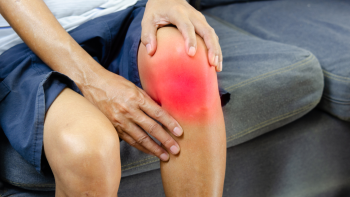
The most obvious symptoms of osteoarthritis of the knee are pain, swelling and functional impotence. Functional impotence refers to the patient's inability to perform all degrees of movement of the knee and limited actions.
Knee swelling is caused by the accumulation of inflammatory fluid inside the joint. This is caused by damage to the cartilage of the knee joint and the generation of inflammatory fluid that this causes.
Osteoarthritic knees with swelling prevent normal support of the affected lower limb and make it impossible to move the knee.
When the accumulation of fluid inside the knee is very evident, it is possible to extract it by infiltration and analyse it to rule out other types of knee pathologies. This removal of joint fluid causes immediate pain relief and a faster improvement of the acute process of osteoarthritis of the knee.

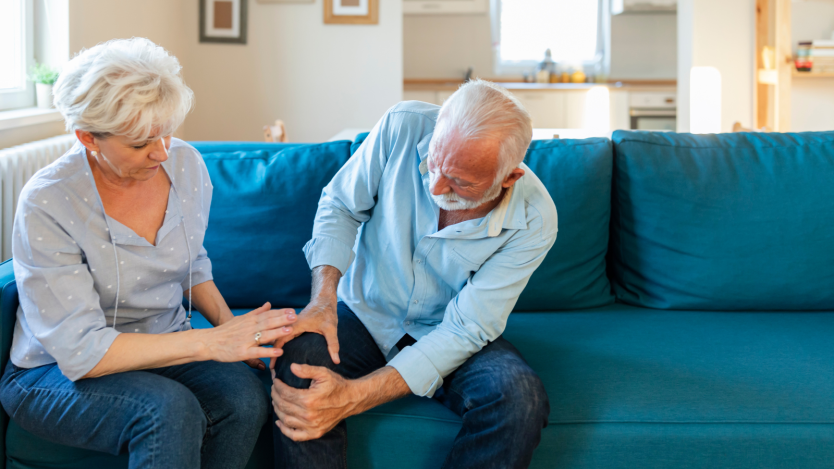
Knee pain in people with osteoarthritis is very characteristic. It usually occurs in the mornings, especially in severe cases, and a period of "warming up" of the knee is necessary for it to cease. In the more severe degrees, pain processes also occur after long periods of immobilisation, especially when the knees are bent (e.g. when sitting for long periods of time).

Do you need a diagnosis for your knee problem?
Purchase a private consultation with one of our specialists in knee surgery and get a solution now for your pain
Treatment of knee osteoarthritis
As we have already mentioned, in the mildest stages of knee osteoarthritis, it is possible to alleviate pain and symptoms with standard painkillers, while in moderate cases, more significant treatment is usually required, although in many cases it can be assumed without surgery.
On the other hand, in the case of severe knee osteoarthritis, which prevents the patient from standing without pain, reduces their mobility and, in short, reduces their quality of life to a minimum, the best option is to undergo a knee prosthesis operation.
This should be agreed between the patient, the surgeon and her family, but with the great advances that exist in the field of prosthetic knee replacement, it is an option to be taken into account.
If you are interested in having a knee replacement in Spain and solve your knee pain, do not hesitate to request a free appointment with one of our specialists in Traumatology and Orthopaedic surgery by clicking in the following banner:

Do you need knee replacement surgery in Spain?
Request a free and immediate appointment with our specialists and regain your quality of life
Come to Spain for your surgery or treatment
We manage everything from start to finish
Medical disclaimer: All the published content in Operarme is intended to disseminate reliable medical information to the general public, and is reviewed by healthcare professionals. In any case should this information be used to perform a diagnosis, indicate a treatment, or replace the medical assessment of a professional in a face to face consultation. Find more information in the links below: