10 things about cataracts and its surgery
- What are cataracts?
- What you need to know about cataracts and cataract surgery
- Would you like to request an assessment consultation?

Come to Spain for your surgery or treatment
We manage everything from start to finish
- Cataract surgery is normally recommended as soon as it is detected, avoiding progressive loss of vision.
- Cataract surgery is currently a painless, quick treatment with a very high success rate and a low probability of complications.
- For this procedure, different types of intraocular lenses can be implanted, such as monofocal, multifocal and toric lenses, which also correct astigmatism.
What are cataracts?
Cataracts can be defined as the ageing of the crystalline lens which results in the blurred vision characteristic of this pathology. This ocular deterioration is due to the fact that the light that enters the eye is received by the lens in a distorted way, so when it is focused and received by the retina, the information that reaches the brain is translated into a totally altered image.

Do you need cataract surgery?
Request a free and immediate appointment with our specialists in eye surgery
What you need to know about cataracts and cataract surgery

- The early development of cataracts is usually caused by diseases such as diabetes, hypothyroidism, hypercalcaemia, patients undergoing corticosteroid treatment or those who are exposed to the sun for long periods of time.
- Cataracts form inside the eye, causing distorted or blurred vision because the proteins that normally compress the eye lens break down. This process does not cause immediate pain or discomfort and is usually evident by the time surgery is required.
- It is possible that cataracts may appear in only one eye, this is normally due to blows or trauma to the area, and the patient may have no symptoms at the time they occur, but may begin to detect vision problems over time.
- It is possible that the patient may have good vision even when suffering from cataracts, with the only discomfort being that light affects more than normal or vision difficulties in dimly lit places.
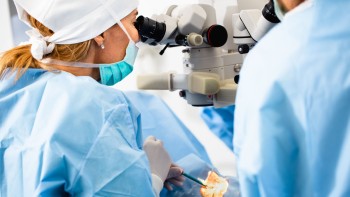
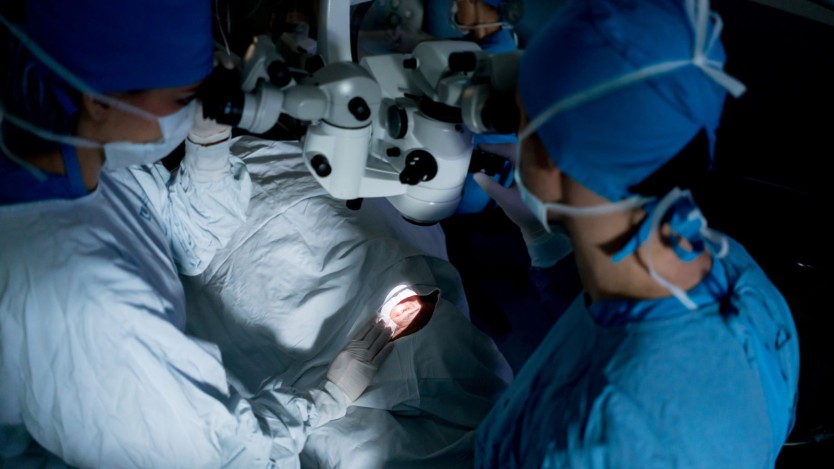
- Cataract surgery is one of the most common and safest surgeries in ophthalmology, with a success rate of almost 100%. This procedure lasts between 15 and 20 minutes and the patient can go home the same day of the intervention.
- After the surgery, patients must follow medical instructions, such as wearing a protective shield and not doing strenuous activities for the first few weeks. You can find out more about the postoperative period in our article: Postoperative period after cataract surgery.
- Women over the age of 50 are more likely to suffer from cataracts due to hormonal changes, while men are more likely to suffer from other eye conditions such as astigmatism. From this age onwards, it is recommended to visit the ophthalmologist at least once a year to check for cataracts, as for any other eye disease.
- Cataract surgery is normally performed with topical anaesthesia, the so-called anaesthetic drops, so that it is not necessary to cover the operated eye when leaving the operating theatre.
- During the operation the patient can see light and movement, but will not be aware of what the doctor is actually doing inside the eye.
- Normally, no stitches are required in the incisions made in the eye, as they seal themselves due to the adhesive capacity of the surface layer. To avoid complications, a shield is placed over the eye to protect it, especially at night, during recovery.
If you would like to know more about the appearance of cataracts or the intervention and its benefits, you can consult this information by clicking on the following articles:
Would you like to request an assessment consultation?
If you are considering cataract surgery, you can request an immediate and free surgical assessment consultation with one of our specialists by clicking on the following link:

Do you need cataract surgery?
Request a free and immediate appointment with our specialists in eye surgery
Come to Spain for your surgery or treatment
We manage everything from start to finish
Medical disclaimer: All the published content in Operarme is intended to disseminate reliable medical information to the general public, and is reviewed by healthcare professionals. In any case should this information be used to perform a diagnosis, indicate a treatment, or replace the medical assessment of a professional in a face to face consultation. Find more information in the links below: