
Double Jaw Orthognathic Surgery
- Hospital stay: 1 day
- Surgery time: 2 - 4 hours
- Anaesthesia: General
- Full recovery: 2 - 3 months
Fixed price
17.990 €
All included
Consult financing conditions
Financing is available* for amounts over €150, and can be financed from 3 and to 24 months. The financing process is subject to approval by the collaborating financial entities. For further information on the financing conditions, please do not hesitate to contact us at +34 91 141 33 56 or through this contact form. Our Patient Service department will provide you with the information you need and explain the financing process. Find additional information about funding in the following link. *Operarme’s team manages the funding of surgical procedures and medical tests. The financing management of dental services is only performed at Caser Dental Clinics.
What is included in this service
What does it involve?
-

Meet the Maxillofacial specialist and assess your case for surgical treatment.
-

Our specialist will review your medical tests, perform a physical examination, answer your questions and give surgical assessment if surgery is needed.
-

If you decide to go ahead with the surgery, you will receive surgery date from the specialist during the visit.
What do our patients think?

La experiencia ha sido muy satisfactoria. La atención recibida del...
Total Hip Replacement
Traumatology Team of Viamed Santa Elena
Hospital Viamed Santa Elena
Muy satisfactoria
Total Knee Replacement
Traumatology Team of HSJD Córdoba
Hospital San Juan de Dios
Mi experiencia fue muy buena, desde el primer momento me...
Abdominal Myomectomy (Uterine Fibroids Removal)
Equipo de Ginecología de la Clínica Santa Isabel
Clínica HLA Santa Isabel
Yo tenía total confianza en la cirugía de Dr Valverde...
Total Hip Replacement
Dr. Francisco Valverde Cámara
Hospital Dr. Gálvez
Un servicio excelente tanto de la organización de la operación...
Abdominal Hysterectomy
Equipo de Ginecología de la Clínica Santa Isabel
Clínica HLA Santa Isabel
Experiencia excelente. Rapidez tanto en la gestión como en la...
Phimosis Surgery in Spain
Equipo de Urología de la Clínica Santa Isabel
Clínica HLA Santa Isabel
En general todo el proceso fue muy bien, pero noté...
Hydrocele repair surgery
Dr. Carles Xavier Raventós Busquets
Clínica Ntra. Sra. del Remei
Desde el primer contacto con "operarme.es" hasta las comprobaciones que...
Carpal Tunnel Syndrome surgery
Dr. Rafael Llombart Ais
La Salud Hospital
What is included?
-
Free surgical consultation
Ask for a free, immediate surgical consultation with our specialist in Maxillofacial surgery.
Meet the doctor on a face-to-face consultation to assess your health problem, and then decide together your best options for surgical treatment.
-
Preoperative study
A complete pre-operative study will be performed: including a blood analysis, electrocardiogram and chest-X ray.
Also a consultation with the Anaesthetist will be held to see if you are suitable for the surgery.
-
Surgical procedure expenses and fees
- Reservation and booking of the operation room, instruments, equipment,consumables and medication of the surgical procedure.
- Medication (non cytostatic nor monoclonal antibody or derivatives), medical gases, Stay in the postoperative recovery room, monitorization and necesary treatments.
- Surgeon, assistant and anaesthetist fees until your medical discharge.
If there was any special need in the surgical process, by express indication of the doctor, the client will be informed of the variation in the price prior to surgery, and must be accepted to continue with the process.
-
Hospital stay
The hospital stay is for 1 day in a private room with a spare bed for your companion.
-
Transfer service
Leave your car at home while you stay at the hospital. A free transfer will be organized for your hospital admission day, and for your return home after hospital discharge. Service only available inside the metropolitan area.
Read the terms and conditions here.
If you woud like to receive more information about this service, please contact our patient service department.
-
Medical complications insurance
Double Jaw Orthognathic Surgery includes a medical complications insurance covering possible eventualities that may affect the patient during the surgical procedure, and 30 days after the surgical intervention (including a re-intervention if needed).
Medical complications insurance covers related surgical procedure expenses, such as:
- Increase in your hospital stay after surgery.
- Hospital admission after hospital discharge due to medical complications.
- Re-intervention and hospital stay up to the established amount established in the Particular Conditions.
Under no circumstances this insurance will cover emergency visits or medical review consultations after hospital discharge.
If you woud like to receive more information about this service, please contact our patient service department.
-
Post-surgical consultations
2 post-surgical consultations are included in the fixed price of this surgery.
If more consultations are necessary, they must be managed through Operarme's Patient Service team and paid at a preferential price. For more information or request additional consultation, contact our patient service team.
Post-surgical consultations NOT included in the closed price of the surgical process have a price of €49 per appointment.
Information of Double Jaw Orthognathic Surgery
- 01. Everything you need to know about bimaxillary orthognathic surgery
- 02. What is bimaxillary orthognathic surgery?
- 03. Why is double jaw orthognathic surgery performed?
- 04. Consultation with the oral and maxillofacial surgery specialist
- 05. Double jaw orthognathic surgery: step by step
- 06. Recovery after double jaw orthognathic surgery
- 07. Benefits of double jaw orthognathic surgery
- 08. Cost of double jaw orthognathic surgery with Operarme

Come to Spain for your surgery or treatment
We manage everything from start to finish
01. Everything you need to know about bimaxillary orthognathic surgery
Bimaxillary orthognathic surgery, also known as surgery for dentofacial anomalies, is a procedure used to correct facial deformities caused by abnormal (either excessive or deficient) growth of the facial bones—specifically the upper jaw (maxilla), lower jaw (mandible), or chin.
This surgery helps restore facial harmony and proper proportions, not only by correcting asymmetry but also by improving dental occlusion and overall oral health, as well as breathing, swallowing, and temporomandibular joint (TMJ) function by allowing for a proper bite.
The repositioning of facial bones is carried out through the oral cavity, meaning no visible scars are left on the face.
Below, you will find everything you need to know about bimaxillary orthognathic surgery—from the reasons why it’s performed, to a step-by-step explanation of the procedure and its recovery process.
02. What is bimaxillary orthognathic surgery?
Orthognathic surgery is a surgical procedure used to correct the size and position of the jaw bones when they have not developed properly.
As its Greek origin suggests—“orthognathic” coming from orthos (straight) and gnathos (jaw)—this type of surgery aims to achieve perfect balance between all facial features. In other words, it is the procedure used to correct malocclusion.
Bimaxillary orthognathic surgery addresses issues affecting both the upper jaw (maxilla) and the lower jaw (mandible).
Unlike single jaw orthognathic surgery, which involves repositioning only one of the jaw bones to harmonise the facial structure, bimaxillary surgery involves modifying both the maxilla and the mandible.
This procedure can be performed in patients aged 16 to 19 and above.
However, it is generally recommended to wait until complete maxillofacial development has occurred, which typically happens around the age of 20 to 21.
The most common reasons for undergoing double jaw orthognathic surgery are functional problems or aesthetic concerns.
03. Why is double jaw orthognathic surgery performed?
Corrective double jaw orthognathic surgery is carried out in patients who have abnormal growth of the facial bones: the upper jaw (maxilla) and the lower jaw (mandible or chin).
Double jaw surgery is performed when there are functional problems or facial asymmetry.
Therefore, the deformities that justify and indicate double jaw orthognathic surgery are:
Retrognathia or Class II malocclusion
Mandibular retrognathia is a growth disorder in which the lower jaw is positioned further back than the upper jaw. This means that when the mouth is closed, the upper and lower teeth do not meet.
Mandibular prognathism or Class III bite
Mandibular prognathism occurs when the lower jaw protrudes beyond the upper jaw. Similarly, when the mouth is closed, the teeth do not align.
Open bite
An open bite happens when the upper and lower teeth do not overlap. Usually, the only contact between them is at the molars. But what is the function of a correct bite? When teeth close without any alteration, the dentition is protected from harmful pressures and forces on the upper teeth.
When the open bite is severe and orthodontic treatment has not been effective, orthognathic surgery is the solution, which in some cases will be double jaw surgery.
Facial asymmetry
Facial asymmetry is a skeletal imbalance caused by excessive or insufficient growth of either the maxilla or the mandible.
Severe gummy smile
A severe gummy smile is characterised by an excess of 6 millimetres or more of visible gum and vertical excess of the upper jaw. This condition can cause the patient’s face to appear too long and disproportionate.
In addition to the aesthetic deficiencies these anomalies cause, they also bring a series of problems that affect the patient’s quality of life:
- Difficulties speaking
- Problems eating and chewing
- Breathing issues
- Disorders of the temporomandibular joint (TMJ)
How do I know if I need double jaw orthognathic surgery?
To determine whether double jaw orthognathic surgery is necessary, it is best to have a surgical evaluation consultation with a maxillofacial surgery specialist.
During this consultation, the doctor will assess the development of the maxillofacial area and, if needed, may request further specific tests:
- 3D planning: This study allows the surgeon to anticipate, plan, and simulate a virtual surgery before the actual operation, and even share the results with the patient.
- Panoramic X-rays (orthopantomograms): These provide an overview of the jaws, mandible, and teeth.
- Maxillary CT scan: Offers a 3D view of the jaws and teeth.
The cost of these tests is not included in the Operarme surgery price, as they are not required in every case. If necessary, you will need to pay for these tests separately at the hospital.
Given the importance of this specialist consultation, Operarme offers a first surgical assessment appointment free of charge, so you can find out if double jaw orthognathic surgery is the right treatment for you.

Are you interested in jaw surgery?
Request a free assessment appointment with our specialists in Orthognathic surgery and set an intervention date for the treatment
04. Consultation with the oral and maxillofacial surgery specialist
On the day of your appointment, the specialist will examine you and confirm whether you need corrective maxillofacial surgery.
It is very important that the specialist has access to your medical history and the results of all the tests you have undergone, such as those mentioned previously (3D planning, panoramic X-rays, maxillary CT scan).
This will allow them to provide a more accurate diagnosis and indicate whether your case requires single jaw surgery, double jaw surgery, chin surgery (mentoplasty), or a combination of these.
Additionally, during this consultation you can ask any questions you have about the surgery, the postoperative period, and find out if any treatment before or after the surgery is necessary.
Therefore, depending on your specific deformity, the specialist will recommend one treatment or another:
- Conventional procedure: This involves using orthodontics before and after surgery. Pre-surgical orthodontics corrects existing dental compensations and ensures a stable and appropriate structure between the upper and lower dental arches. Post-surgical orthodontics is essential to establish a correct final bite.
- Surgery first: This approach allows orthognathic surgery without prior orthodontic treatment. Orthodontics is used after surgery to achieve stability.
Patients with well-aligned teeth may be suitable candidates for double jaw orthognathic surgery using the surgery first protocol.
If you decide to proceed with the surgery at the end of the consultation, you will be able to set a date with the specialist. However, our patient care team will also contact you to help manage all the details of your maxillofacial procedure.
Preoperative assessment and consultation with the anaesthetist
Before scheduling a date for double jaw orthognathic surgery, it is important to carry out a preoperative assessment to ensure there are no risks concerning the procedure.
The preoperative assessment for double jaw orthognathic surgery is included in the operation price and consists of the following tests:
- Electrocardiogram: this test evaluates your cardiovascular health.
- Complete blood analysis: used to detect any infection that needs to be controlled before surgery.
- Chest X-ray: used to rule out signs of infection and to ensure the trachea is properly positioned. This test will only be performed if the doctor considers it necessary.
After the preoperative assessment, you will need to have a consultation with the anaesthetist.
Double jaw orthognathic surgery lasts between 2 and 4 hours, so general anaesthesia is required.
For this reason, it is very important to have a consultation with the anaesthetist. They will ask about your lifestyle habits (diet, alcohol consumption, smoking, medication, etc.) to ensure the surgery is carried out as safely as possible. Additionally, if you have any questions about the anaesthesia, this will be the perfect time to address them.
05. Double jaw orthognathic surgery: step by step
Double jaw maxillofacial surgery is a minimally invasive procedure in which both the upper and lower jawbones are repositioned to achieve a perfect bite.
In double jaw orthognathic surgery, the position of misaligned bones is corrected through traction and fixation.
This minimally invasive procedure is performed through intraoral incisions, avoiding any visible scarring on the face. The specialist will carry out the following steps to perform the corrective double jaw surgery:
- Once the anaesthetic has taken effect, the surgeon will access the upper jaw area through an incision in the front part of the gum.
- They will then cut and reposition the upper jaw until the desired alignment is achieved.
- The jaw will be fixed in place using titanium miniplates and screws.
- In the same way as with the upper jaw, the specialist will access the lower jaw through an incision behind the molar.
- A bilateral osteotomy of the jaw will be performed using a mini saw.
- As with the upper jaw, the osteotomy will be fixed using titanium miniplates and screws.
- Finally, all incisions will be sutured.
Once the surgery is complete and you have recovered from the anaesthetic, you will remain under observation for around 24 hours.
Double jaw orthognathic surgery requires a one-day hospital stay.
If everything is progressing well, you will be discharged from hospital the day after your surgery.

Are you interested in jaw surgery?
Request a free assessment appointment with our specialists in Orthognathic surgery and set an intervention date for the treatment
06. Recovery after double jaw orthognathic surgery
Once you are discharged from hospital, Operarme offers you a free transport service to take you home and begin your recovery there.
During the first week after double jaw orthognathic surgery, you will need to adjust to a new routine to aid your healing.
These changes include:
- Following a liquid diet
- Wearing elastic bands on the jawbones
- Sleeping in an upright position. After surgery, it is common to experience difficulty breathing due to swelling.
The most uncomfortable symptoms associated with recovery from double jaw orthognathic surgery usually subside within two weeks.
After 15 days, you will be able to switch to a soft diet and will no longer need to wear the elastics all day.
One month after the jaw surgery, you should be able to return to your normal routine.
However, for up to two months, it is recommended that you continue with a soft diet to avoid placing strain on the jaw.
All symptoms should completely subside and the final results of the procedure will be visible after six months.
07. Benefits of double jaw orthognathic surgery
The benefits associated with double jaw orthognathic surgery include:
- Correction of the deformity: Following surgery, facial features will be more symmetrical, improving both the appearance and functionality of the mouth area.
- Functional improvement: After maxillofacial surgery, the bite is corrected, reducing the likelihood of related problems.
- Aesthetic enhancement: The deformity of the jaw and upper maxilla is corrected.
- Minimally invasive technique: All incisions are made inside the mouth, which reduces swelling and postoperative discomfort. In addition, there are no visible scars.
As with any surgical procedure, there are risks involved. However, when performed by an experienced surgeon, the chances of infection, issues with anaesthesia, or excessive bleeding are minimal.
Remember, you can request a free initial surgical consultation with one of our oral and maxillofacial surgery specialists through Operarme by calling at +34 91 141 33 56, or by completing the contact form.
Benefits of undergoing double jaw orthognathic surgery through Operarme
Double jaw orthognathic surgery comes with a number of benefits when carried out through Operarme, making the surgical process much easier to manage:
- Free initial surgical consultation with the oral and maxillofacial surgery specialist. This allows the surgeon to assess your case and confirm your suitability for double jaw orthognathic surgery.
- Access to top hospitals: Operarme collaborates with numerous leading hospitals across the country, all equipped with advanced medical technology and highly experienced professionals, ensuring excellent surgical outcomes.
- Fixed all-inclusive price: The price covers everything required to perform the surgery with maximum safety and quality.
- Personalised care throughout the entire process: Operarme provides you with a dedicated patient service team who will guide and assist you with all necessary arrangements, offering support at every stage.
08. Cost of double jaw orthognathic surgery with Operarme
The cost of double jaw orthognathic surgery is 17.990 €, and Operarme includes everything necessary to ensure the procedure is carried out with the highest possible standards of safety and quality.
The price covers not only what’s essential for the operation itself, but also elements designed to maximise your comfort.
The following are included in the price:
- Initial surgical consultation
- Operating theatre reservation and use
- Full preoperative assessment
- Surgeons’ fees
- Nursing team fees
- All required surgical materials
- Anaesthesia and recovery room reservation
- Two postoperative follow-up visits
- Medical complications insurance
- Full process management and personalised support
Remember, you can request a free initial surgical consultation with one of our oral and maxillofacial surgery specialists through Operarme by calling at +34 91 141 33 56, or by completing the contact form, or clicking on the Request Appointment button below:

Are you interested in jaw surgery?
Request a free assessment appointment with our specialists in Orthognathic surgery and set an intervention date for the treatment
Fixed price
17.990 €
All included
Consult financing conditions
Financing is available* for amounts over €150, and can be financed from 3 and to 24 months. The financing process is subject to approval by the collaborating financial entities. For further information on the financing conditions, please do not hesitate to contact us at +34 91 141 33 56 or through this contact form. Our Patient Service department will provide you with the information you need and explain the financing process. Find additional information about funding in the following link. *Operarme’s team manages the funding of surgical procedures and medical tests. The financing management of dental services is only performed at Caser Dental Clinics.
Step by step
-
Ask for a free consultation with the Maxillofacial surgery team.
-
Information will be sent to your email.
-
Our patient service team will call you to confirm the date.
-
Visit the doctor and decide if you would like to have surgery with us.
-
Regain your quality of life.
What do our patients think?
Frequent Questions
-
Do I have to take a PCR test before surgery?
Currently our collaborating hospitals and surgeons do not ask patients to take a PCR test as a mandatory requirement to enter the operating room.
If exceptionally this test would be required by the hospital or surgeon, we inform you that the PCR test is not included in the price of the surgery.
If you have any questions about this specific issue, please contact our patient service department.
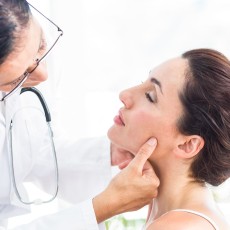
Double Jaw Orthognathic Surgery
- Hospital stay: 1 day
- Surgery time: 2 - 4 hours
- Anaesthesia: General
- Full recovery: 2 - 3 months
Fixed price
17.990 €
All included
Consult financing conditions
Financing is available* for amounts over €150, and can be financed from 3 and to 24 months. The financing process is subject to approval by the collaborating financial entities. For further information on the financing conditions, please do not hesitate to contact us at +34 91 141 33 56 or through this contact form. Our Patient Service department will provide you with the information you need and explain the financing process. Find additional information about funding in the following link. *Operarme’s team manages the funding of surgical procedures and medical tests. The financing management of dental services is only performed at Caser Dental Clinics.