Why is knee ligament surgery necessary?
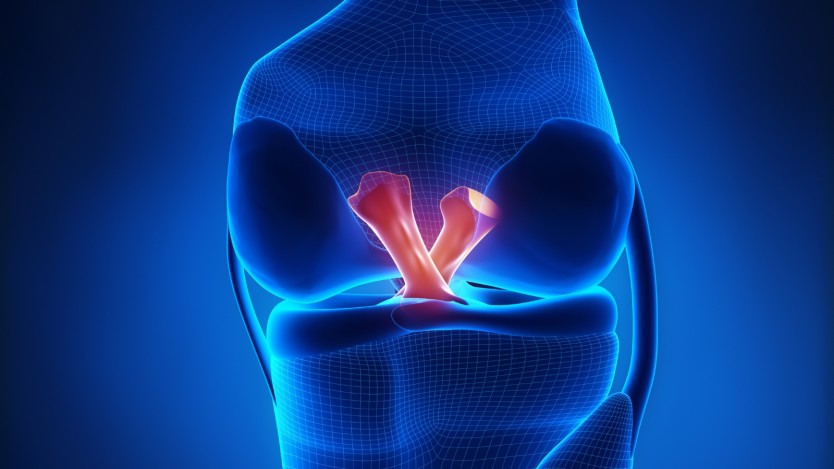
- Anterior cruciate ligament (ACL)
- Posterior cruciate ligament (PCL)
- Medial collateral ligament (MCL)
- Lateral collateral ligament (LCL)

Come to Spain for your surgery or treatment
We manage everything from start to finish
- Torn cruciate ligaments are one of the most common injuries in the world of sport.
- The best way to solve a torn ligament is to have a ligament reconstruction operation.
- Ligament reconstruction consists of replacing the damaged ligament with a healthy one.
There are different types of ligaments in the knee, each of which has a specific function within the joint. Ligament reconstruction surgery is necessary when one of these ligaments is torn or ruptured, mainly due to a sports injury.
Below is a list of the ligaments that are part of the knee and the possible causes of their injury.

Do you need knee ligaments surgery?
Request a free and immediate appointment with our specialists in Traumatology
Anterior cruciate ligament (ACL)
It is the ligament in the centre of the knee, in front of the posterior cruciate ligament, and is the most likely to be injured. An ACL tear is usually caused by a sudden, sharp twisting motion, such as in football when the player turns sideways but the foot is stuck in the turf. This injury is also quite common in other sports such as skiing and basketball.
Posterior cruciate ligament (PCL)
This ligament is located in the centre of the knee, behind the anterior cruciate ligament, and is injured much less often than the anterior cruciate ligament. Injury to this ligament, unlike the anterior cruciate ligament, is usually caused by a sudden impact to the front of the knee, such as in a car or motorbike accident, or a tackle by an opponent in sports such as football.

Medial collateral ligament (MCL)
This ligament is found on the inside of the knee. It is a ligament that is injured more frequently than the lateral collateral ligament, the main cause being a blow to the outside of the knee that forces it inwards.
Lateral collateral ligament (LCL)
This ligament is on the outside of the knee and is injured in most cases due to a blow to the inside of the knee that forces it outwards.

When ligament injury occurs, early treatment is as follows:
- Rest and avoid moving while supporting the injured knee.
- Apply cold to the area to reduce the swelling that occurs within a few hours of injury
- Place an elastic bandage on the knee.
- Elevate the leg to help reduce swelling.
- Take painkillers to help with the pain.
If the injury is a tear, it can initially be treated by performing a series of muscle strengthening exercises prescribed by the doctor, placing a joint brace on the knee to protect it during exercise and limiting activity.
If these treatments are not effective, the patient may need to undergo a cruciate ligament reconstruction surgery to replace the damaged ligament with another one.
In the event that the injury is a little more serious and a ligament rupture has occurred, surgery is usually necessary, especially for the anterior cruciate ligament (the collateral ligaments often heal with conservative treatment). Ruptured knee ligaments cause instability in the joint, making it impossible for the patient to carry out any movement that involves twisting or turning the knee, not to mention the pain involved.
These are the reasons for performing knee ligaments surgery.
To learn more about the surgery or request a free appointment with one of our specialists, click on the button:

Do you need knee ligaments surgery?
Request a free and immediate appointment with our specialists in Traumatology
Come to Spain for your surgery or treatment
We manage everything from start to finish
Medical disclaimer: All the published content in Operarme is intended to disseminate reliable medical information to the general public, and is reviewed by healthcare professionals. In any case should this information be used to perform a diagnosis, indicate a treatment, or replace the medical assessment of a professional in a face to face consultation. Find more information in the links below: