Who is a candidate for hysterectomy surgery?
- What is hysterectomy?
- When is hysterectomy surgery necessary?
- Do you want to undergo hysterectomy surgery with Operarme?

Come to Spain for your surgery or treatment
We manage everything from start to finish
What is hysterectomy?
- Hysterectomy surgery is performed on women who have severe pain, bleeding or diseases affecting the uterus.
- Hysterectomy surgery can be performed in three different ways, adapting the method to the conditions of the patient and the type of problem to be solved.
- The patient must bear in mind that there may be some side effects, both physical and psychological, which can mean a significant change in her health and way of life.
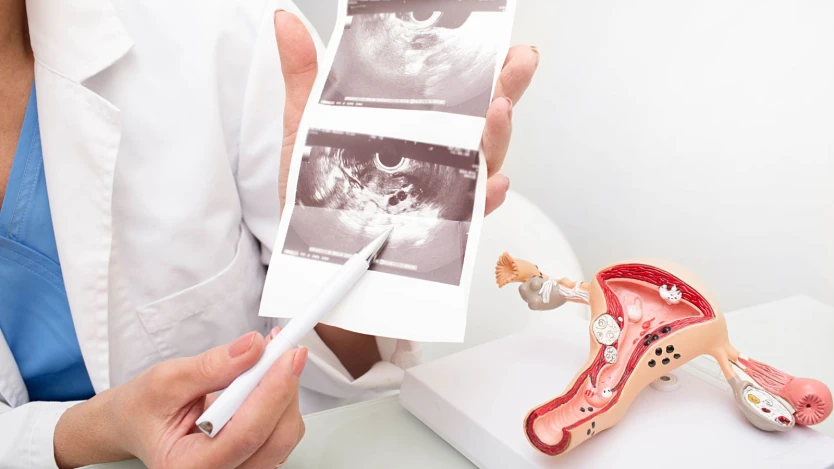
A hysterectomy is an operation to remove the woman's uterus or womb. It can be performed in three different ways: abdominal extraction, i.e. an incision in the lower abdomen; vaginally, through the vagina (sometimes assisted by laparoscopy); or through laparoscopic surgery.

Do you need hysterectomy surgery?
Request an appointment without waiting with our gynaecology specialists
Sometimes this surgery is complemented by the removal of other organs, such as the fallopian tubes, or in some cases, one or both ovaries. These organs are located in the woman's lower abdomen and make up the reproductive system.
Hysterectomy surgery to remove the uterus is one of the most commonly performed gynaecological operations today, with a low complication rate and very high success rates.
Here we explain when it is necessary to undergo this type of intervention and its effects on a woman's quality of life.

When is hysterectomy surgery necessary?
In general, in the majority of cases in which this type of surgery is chosen, they are women between 30 and 55 years of age, who have a condition in the uterus such as those we are going to explain below.
Before undergoing this procedure, the patient must be aware that when the uterus is removed, the ability to conceive becomes impossible, although in many cases the conditions of the uterus make the possibility of pregnancy complicated.
Among the reasons why a woman may need a hysterectomy are the following:
Uterine fibroids (myomas)
These are benign tumours that grow in the muscle of the uterus. These formations are usually symptom-free and do not require any treatment, and they usually shrink after the menopause. However, the exception may occur, causing heavy bleeding and pain, and surgery may then be needed.
They are also operated on when they are too large and, as a result, compress the organs near the uterus. These fibroids can also be removed with another type of operation called myomectomy. You can find out all about uterine fibroids and their possible solutions by visiting this article.
Endometriosis
Endometriosis is a disease in which the inner lining of the uterus begins to form outside the uterus and over neighbouring organs. This results in abnormal vaginal bleeding, severe pain during menstruation and even loss of fertility in some cases.

Prolapse of the uterus
The uterus moves towards the vagina as a result of the weakening of the ligaments and pelvic tissues that support it. This situation usually occurs after childbirth, due to weakening of the muscles in the area or other problems associated with it, due to increased pressure on the abdominal area in cases of overweight or hormonal changes such as the loss of oestrogen.
Abnormal uterine bleeding
Another reason for hysterectomy, apart from giant uterine fibroids, are, in some cases, hormonal changes, infections of the uterus and even the appearance of some types of cancer, which cause excessive or irregular bleeding from the uterus.
Although cancer is rare and this type of bleeding is usually due to fibroids in the uterus, a perfectly treatable condition. In all cases, it is best to contact a gynaecologist to check the case and confirm a specific diagnosis.
Pelvic pain
This ailment is due to multiple causes, including irritation of the pelvic organs, which produces adhesions or scarring, the possible causes of which may be endometriosis, infections or injuries in the area.
Cancer
Cancers affecting the pelvic organs account for about 10% of all hysterectomies performed. Endometrial cancer (cancer of the lining of the uterus), uterine sarcoma, cervical cancer (cancer of the cervix) and cancer of the ovaries or fallopian tubes often require hysterectomy.
Do you want to undergo hysterectomy surgery with Operarme?
If you are thinking of having surgery with us, you can request a free surgical assessment consultation with our specialists in gynaecological surgery and obstetrics.
You can request a free surgical assessment consultation by clicking the button below:

Do you need hysterectomy surgery?
Request an appointment without waiting with our gynaecology specialists
Come to Spain for your surgery or treatment
We manage everything from start to finish
Medical disclaimer: All the published content in Operarme is intended to disseminate reliable medical information to the general public, and is reviewed by healthcare professionals. In any case should this information be used to perform a diagnosis, indicate a treatment, or replace the medical assessment of a professional in a face to face consultation. Find more information in the links below: