What is the prostate for?
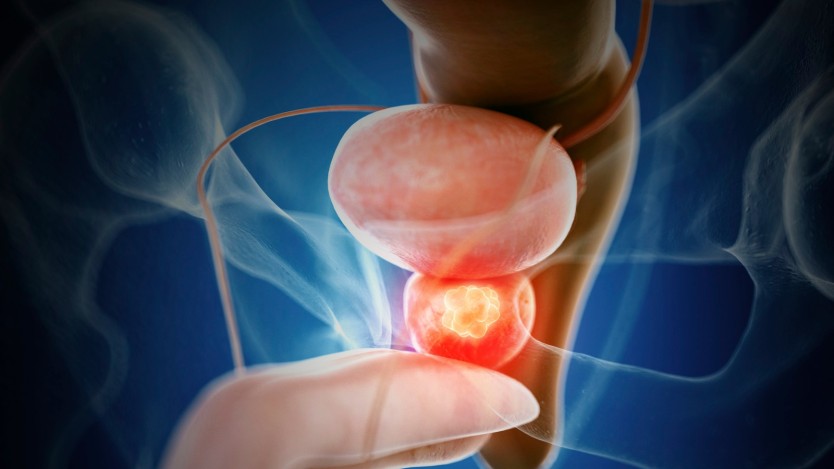
- Where is the prostate?
- What is the function of the prostate?
- Why do prostate problems occur?
- Do all men with benign prostatic hyperplasia have symptoms?
- What types of surgery are available to treat benign prostatic hyperplasia?

Come to Spain for your surgery or treatment
We manage everything from start to finish
Where is the prostate?
Everyone has heard about the prostate, the problems caused by prostate disease, or most of all about the digital rectal examination as a diagnostic test because of the embarrassment it causes in many men.
Before going any further, it should be made clear that digital rectal examination is one of the most effective diagnostic tests for the early detection of benign prostatic hyperplasia and even prostate cancer, as it allows the doctor to detect irregularities in situ.

Do you need prostate surgery?
Request a free and immediate appointment with our specialists in urology
The prostate is a glandular organ of the male genitourinary system located at the bottom of the bladder, right at the outlet, and opposite the rectum. Passing through the prostate is the urethra, which is the tube through which urine is passed during urination and semen during ejaculation.
What is the function of the prostate?
The main function of the prostate is to produce part of the seminal fluid that protects and nourishes the sperm contained in the semen. This gland produces a milky secretion containing enzymes such as prostate-specific antigen (PSA), which helps liquefy the semen, as well as citric acid, spermine, zinc (which has antibacterial properties) and magnesium.
Semen is made complete by secretions from the seminal vesicles, which are located behind and to the side of the prostate.

Why do prostate problems occur?
The prostate grows until adulthood under the effect of male hormones. From the age of 40-50, it starts to grow again in many men, which, due to the position of the prostate in the body, can lead to urinary problems due to obstruction of the urethra.
This enlargement of the prostate is called benign prostatic hyperplasia.
Do all men with benign prostatic hyperplasia have symptoms?

Not all men with benign prostatic hyperplasia suffer from symptoms, as each case is different. On the other hand, if it is symptomatic, it can first be treated with medication, but the prostate may keep growing and there comes a time when medication loses its effectiveness; surgery is then the most effective solution. Furthermore, benign prostatic hyperplasia does not increase the risk of developing prostate cancer, although both can coexist, so regular check-ups are important.
What types of surgery are available to treat benign prostatic hyperplasia?
The surgeries to treat benign prostatic hyperplasia are divided into traditional or conventional ones, such as transurethral resection of the prostate and open or laparoscopic surgery, which, despite being effective, have a series of disadvantages compared to laser or minimally invasive interventions, such as benign prostatic hyperplasia surgery with the Thulium Laser, whose chances of causing postoperative problems are low, as well as drastically reducing hospital stay and recovery time.

Do you need prostate surgery?
Request a free and immediate appointment with our specialists in urology
Come to Spain for your surgery or treatment
We manage everything from start to finish
Medical disclaimer: All the published content in Operarme is intended to disseminate reliable medical information to the general public, and is reviewed by healthcare professionals. In any case should this information be used to perform a diagnosis, indicate a treatment, or replace the medical assessment of a professional in a face to face consultation. Find more information in the links below: