What are the remedies for bunions?
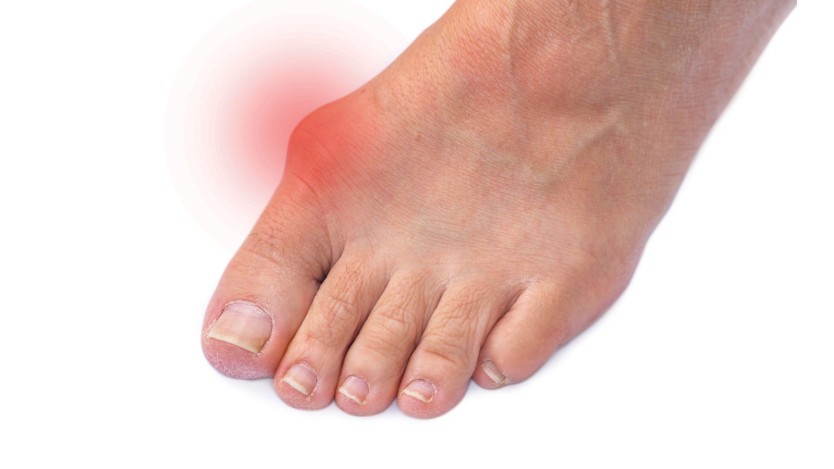
- What is a bunion?
- Causes of bunions
- Non-surgical remedies to prevent bunions and the pain they cause
- Surgery to treat bunions

Come to Spain for your surgery or treatment
We manage everything from start to finish
- As well as a cosmetic issue, bunions are a health problem that mainly affects women, largely because of unsuitable shoes.
- Heredity is another cause: it is not the bunion that is inherited, but the type of foot and walking pattern that favour it.
- Although there are ways to prevent bunions and relieve their symptoms, the most effective way to correct them is surgery, which greatly reduces the risk of them coming back.
What is a bunion?
A bunion is the bump caused by hallux valgus, a deviation of the first metatarsal at the base of the big toe. This deviation puts pressure on the tissue on the inner edge of the foot, which tends to become inflamed: this is what we commonly call a bunion.

Do you need bunion surgery?
Request a free appointment with no waiting time with one of our specialists
The first metatarsal deviates inwards and the big toe towards the second toe, leaning towards the other toes instead of staying straight. If this is not treated properly early on, it can get worse and cause claw toes or hammertoes, among other problems.
Video (in Spanish):
Causes of bunions

Some factors predispose people to bunions, including:
- Genetics: heredity is one of the most common causes. We inherit the mechanical structure of the foot and the way we walk from our parents, so if your parents had bunions, you are more likely to have them too.
- Type of footwear: people who regularly wear closed, narrow-toed shoes that squeeze the toes (such as high heels) are more likely to develop bunions, due to the pressure on the big toe, which encourages the deformity.
These are the two most common factors behind bunions.
Non-surgical remedies to prevent bunions and the pain they cause
Some remedies can help prevent bunions and reduce the pain they cause, although surgery to correct the bone deviation is the only definitive solution. We explain this further below.
Lifestyle changes
Walking barefoot, especially on uneven surfaces such as sand or grass, strengthens the foot muscles. Walking barefoot also frees the toes from the pressure of unsuitable shoes.
Change of footwear
Wearing suitable shoes is very important. They should not be pointed, so as not to squeeze the toes, as this pressure encourages the deviation. Heels should also be avoided, at least for long periods.
If a bunion has already appeared, suitable shoes also help prevent rubbing and inflammation.
Whether you already have a bunion or want to prevent one, it is best to wear shoes that allow the foot to move, let it breathe and feel comfortable without pressure.

Avoiding certain activities
Activities that require very tight shoes, such as ballet, keep the toes compressed for long periods, so it is best to limit them or wear more suitable shoes if you already have hallux valgus.
Exercising the feet and toes
Some exercises can help slow the progression of bunions. Here are some that can be done barefoot:
- Hold your big toe with your hands and stretch it to align it with the other toes. Hold for a few minutes.
- Stretch the other toes and hold for 10 seconds, then curl them for another 10 seconds. Repeat several times a day.
- Bend your toes and press them against a wall or the floor to keep them bent for 10 seconds. Release and repeat.
- Pick up objects with your toes, such as a towel or an item of clothing. Lift your foot with the object and lower it again. Repeat several times.
Realigning the toes
You can use a bunion pad or splint, which helps keep the toe in a better position so that it does not bend towards the others, and also relieves pain. Your specialist should advise on its use; these devices relieve symptoms but do not correct the deformity.
Surgery to treat bunions
As mentioned, although there are many ways to prevent and relieve bunions without surgery, they are not definitive: they relieve symptoms but do not correct the deformity.

Surgery is the only way to correct bunions, with a low risk of recurrence. There are several techniques, although bunion surgery with and without osteotomy are two of the most commonly performed today.
Bunion surgery with osteotomy
This technique realigns the deviated metatarsal so that the foot is aligned and the toes return to the position they had before the bunion appeared.
Under regional anaesthesia, the surgeon makes an incision, cuts the first metatarsal (osteotomy) to realign it and removes the exostosis (the bump). This relieves the pressure on the tissues.
The bone is then fixed in the correct position with screws.

Bunion surgery without osteotomy
This minimally invasive technique is reserved for mild cases: through small incisions, the surgeon inserts the instruments needed to remove the exostosis and correct the soft tissues, without cutting the metatarsal. The procedure is guided by X-ray imaging on a screen in the operating theatre.
At the end, a bandage is applied and, later, a spacer or splint that the patient wears for some time to hold the correction.
Both operations last about 30 to 90 minutes, depending on the severity of the bunion, and have a high success rate.
Operating on a bunion in time prevents it from getting worse and causing more serious foot problems.

Do you need bunion surgery?
Request a free appointment with no waiting time with one of our specialists
Come to Spain for your surgery or treatment
We manage everything from start to finish
Medical disclaimer: All the published content in Operarme is intended to disseminate reliable medical information to the general public, and is reviewed by healthcare professionals. In any case should this information be used to perform a diagnosis, indicate a treatment, or replace the medical assessment of a professional in a face to face consultation. Find more information in the links below: