What anaesthesia is used in haemorrhoid surgery?
- Why is anaesthesia necessary in haemorrhoid surgery?
- What type of anaesthesia can be used in haemorrhoid surgery?
- Most recommended anaesthesia for haemorrhoid surgery

Come to Spain for your surgery or treatment
We manage everything from start to finish
- Haemorrhoids, commonly known as piles, are one of the most common medical problems of the anal area.
- When conservative treatment fails to relieve the discomfort or solve the haemorrhoids, the only solution is surgery, which involves anaesthesia.
- The anaesthesia used in haemorrhoid surgery is usually regional, although it will depend on each case.
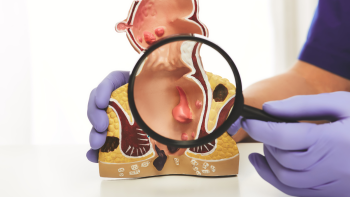
Haemorrhoid surgery aims to remove the affected haemorrhoidal plexus. This can be done using the conventional technique or by laser haemorrhoid surgery. In both cases the technique is the same, although normally with the laser the recovery and post-operative period is shorter.

Free Assessment for Contracting Medical Services
Operarme’s Patient Service will contact you and solve all your questions on the medical service you need.
This procedure is performed when conservative treatment has failed and the patient suffers pain and discomfort that significantly affects their daily life, something that occurs mainly in cases of grade III and IV haemorrhoids, which are the most serious.
Why is anaesthesia necessary in haemorrhoid surgery?
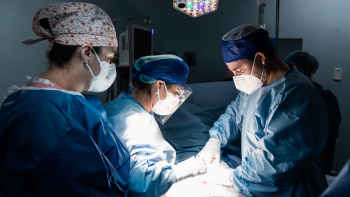
The use of anaesthesia in haemorrhoid surgery is essential, both in haemorrhoid surgery and in practically all operations. Anaesthesia is used to numb the area to be operated on so that the patient does not feel pain during the surgical process.
In this case, the usual anaesthesia is spinal or regional anaesthesia, which consists of putting the patient to sleep from the waist down, as haemorrhoids are located at the end of the anal canal.
This means that the patient will not feel any pain or sensation during the surgery, making the surgeon's work easier.

What type of anaesthesia can be used in haemorrhoid surgery?
The anaesthesia used during haemorrhoid surgery, whether laser or conventional, may be different depending on the technique used by each specialist or the patient's personal conditions.
The anaesthetist will be the one to decide, after knowing the patient's history and preoperative tests, which type of anaesthesia will be used during the haemorrhoid removal operation.
The types of anaesthesia that can be used for haemorrhoidectomy are:
Local anaesthesia
The use of local anaesthesia for haemorrhoid surgery is not the most common, but it is possible to use it. In this case, the anaesthetic is administered to the area to be operated on by means of a puncture, similar to the one performed at the dentist's, thus numbing the area. At the same time, sedatives are usually administered intravenously to improve comfort, reduce anxiety in the operating theatre and make the stay in the operating theatre quicker and more pleasant.

Spinal anaesthesia
In this case, spinal anaesthesia is administered by means of a lumbar puncture with a very fine needle, administering the anaesthesia very close to the spinal cord. After this, the patient begins to feel the loss of sensation in the lower body, from the waist down. With spinal anaesthesia, the patient does not lose consciousness, although as in the case of local anaesthesia, sedative drugs are usually administered intravenously to make the patient's stay in the operating theatre as bearable as possible.
General anaesthesia
The use of general anaesthesia during haemorrhoid surgery is not very common, as it is a relatively quick surgery, although in some cases it may be recommended by the medical team.
General anaesthesia for haemorrhoid surgery can be administered intravenously or through a mask placed on the face, with the anaesthetic gas entering through the airway.
Throughout the operation, the anaesthetist present in the operating theatre will monitor the patient's vital signs to ensure the safety of the whole process.
Free Assessment for Contracting Medical Services
Operarme’s Patient Service will contact you and solve all your questions on the medical service you need.
Most recommended anaesthesia for haemorrhoid surgery
The use of one type of anaesthesia or another must be decided by the specialist and the anaesthetist based on each patient and their personal characteristics.
In the case of Operarme, the anaesthesia that our specialists in General and Digestive Surgery usually use for haemorrhoid surgery is spinal anaesthesia, as it usually causes less discomfort to the patient and allows the surgeon to operate more precisely and avoid any possibility of complications.

An advantage over local anaesthesia is that spinal anaesthesia lasts longer than the total operation time in all cases, so it can be performed without the need to rush.
In any case, local anaesthesia is usually only used in those cases in which either spinal or general anaesthesia is contraindicated due to the health and personal characteristics of each patient.
Finally, as far as general anaesthesia is concerned, the use of general anaesthesia in perianal surgery, which includes haemorrhoid surgery, is only administered in very specific cases.
The best option for any questions about anaesthesia when facing a haemorrhoid surgery is to consult the specialist who will perform the intervention. Click below to request a surgical assessment consultation with one of our specialists:

Do you need laser haemorrhoids surgery?
Request a free and immediate appointment with our specialists
Come to Spain for your surgery or treatment
We manage everything from start to finish
Medical disclaimer: All the published content in Operarme is intended to disseminate reliable medical information to the general public, and is reviewed by healthcare professionals. In any case should this information be used to perform a diagnosis, indicate a treatment, or replace the medical assessment of a professional in a face to face consultation. Find more information in the links below: