[Video] Bunions (hallux valgus): what you need to know
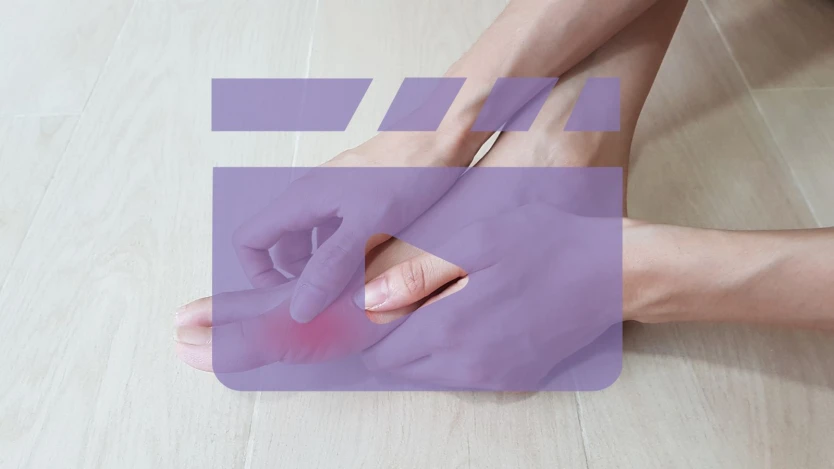
- What are bunions?
- Video on bunions (hallux valgus): what they are, causes, symptoms and treatment
- How are bunions diagnosed?
- Request a surgical assessment for bunion surgery with Operarme

Come to Spain for your surgery or treatment
We manage everything from start to finish
- Bunions are a deformity of the bone or joint of the big toe.
- Bunions (hallux valgus) usually develop due to an incorrect walking pattern, wearing heels or narrow-toed shoes, or an injury, among other causes.
- In most cases, corrective surgery is the definitive option to resolve the discomfort and limitations caused by hallux valgus.
What are bunions?
Bunions, also known as hallux valgus, are a deviation of the big toe that appears as a bump on the inner side of the foot, at the base of the big toe. They cause discomfort when walking, irritation, dry and red skin and pain in the toe and/or foot.

Do you need bunion surgery?
Request a free appointment with no waiting time with one of our specialists
The condition is characterised by the big toe deviating towards the second toe, which can damage the joints, cause inflammation and deform the foot.
Bunions are bumps at the base of the big toe that grow and cause pain when walking and inflammation of the joints.
The main factors behind this condition are wearing heels or narrow-toed shoes, injuries, genetics and an incorrect walking pattern.
To help you understand the key aspects of hallux valgus, here is a summary video on bunions, their causes and treatment.
Video on bunions (hallux valgus): what they are, causes, symptoms and treatment
Video (in Spanish):
How are bunions diagnosed?
To assess the severity of hallux valgus, the specialist will carry out several tests. The most common are:
- Physical examination: the specialist assesses the severity of the big toe deviation and whether it affects the other toes, checks the mobility of the joint and feels the skin to assess inflammation.
- Medical history: the specialist looks for risk factors that may have contributed to hallux valgus, such as age, occupation or previous conditions like arthritis.

- X-rays: lateral and anteroposterior views of the foot. The lateral view shows foot abnormalities (flat or high-arched foot) and toe deformities (claw, hammer or mallet toe); the anteroposterior view shows the features of hallux valgus, such as the bone angle.
- Podoscopy: a test to analyse foot abnormalities dynamically.
- Blood tests.
Request a surgical assessment for bunion surgery with Operarme
If you are suffering from the discomfort and pain caused by the deviation of the big toe due to hallux valgus and want to resolve these symptoms as soon as possible, click the button below to request a surgical assessment consultation with our specialists in Traumatology.
You can also call +34 91 141 33 56 or fill in the contact form, and our patient care team will contact you and arrange your appointment at one of the leading private hospitals in Spain we work with.

Do you need bunion surgery?
Request a free appointment with no waiting time with one of our specialists
Come to Spain for your surgery or treatment
We manage everything from start to finish
Medical disclaimer: All the published content in Operarme is intended to disseminate reliable medical information to the general public, and is reviewed by healthcare professionals. In any case should this information be used to perform a diagnosis, indicate a treatment, or replace the medical assessment of a professional in a face to face consultation. Find more information in the links below: