What solutions are there for female urinary incontinence?
- What is female urinary incontinence?
- Behavioural changes
- Medication for urinary incontinence
- Physiotherapy
- Urethral sling surgery

Come to Spain for your surgery or treatment
We manage everything from start to finish
What is female urinary incontinence?
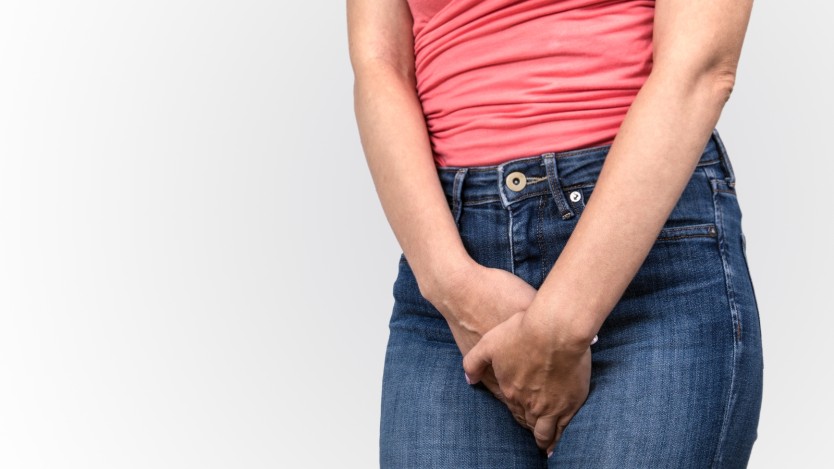
Female urinary incontinence is a medical condition characterised by the involuntary loss of urine. Leakage usually occurs during physical effort, such as coughing, laughing or walking. Incontinence is usually due to weakened pelvic floor muscles, so the urethral sphincter loses its ability to hold urine. The weakening can be caused by age, pregnancy and childbirth, menopause or being overweight. There are also other causes, such as loss of muscle control due to neurological diseases like Alzheimer's.
There are various solutions for female urinary incontinence, and their effectiveness depends on how severe the leakage is. For the most severe cases, surgery is usually recommended, while for milder cases there are options such as Kegel exercises or behavioural changes. In this article we focus on the behavioural changes that can help relieve the symptoms of urinary incontinence.

Do you need a specialist to assess your case?
Request a appointment with no waiting time with one of our specialists
Behavioural changes
The following recommendations to reduce urine leakage should become part of your daily routine until they are a habit. They take some effort at first, but if done well and combined with other treatments such as Kegel exercises, the results can be very positive. They include:
- If you drink too much fluid (for example, very often and without being thirsty), reduce the amount so that too much urine does not build up in the bladder, without becoming dehydrated.
- Urinating more often, so the bladder does not get too full and less urine leaks.
- Eating more fibre to regulate bowel movements and avoid constipation, which can make incontinence worse.
- Stopping smoking to reduce coughing, bladder irritation and the risk of bladder cancer, which smoking greatly increases.
- Avoiding alcohol and caffeine, which can overstimulate the bladder.
- Losing weight if you are overweight, as excess weight weakens the pelvic floor and contributes to urine leakage.
- Avoiding foods and drinks that irritate the bladder, such as spicy food, fizzy drinks and citrus fruit.
- Keeping blood sugar under control if you have diabetes.

As mentioned, these behavioural changes work best alongside other treatments, such as Kegel exercises or medication for urinary incontinence.
Medication for urinary incontinence
The medication prescribed for women with urinary incontinence depends on its cause. Some drugs relax the bladder muscle, significantly improving the symptoms of urge incontinence; among the most widely used are oxybutynin and tolterodine.
Women whose leakage is due to a urinary tract infection are prescribed antibiotics. In postmenopausal women with vaginal atrophy, caused by falling oestrogen levels, vaginal oestrogen creams or pessaries may be prescribed and can help improve urinary incontinence symptoms in these cases.
Please note that this information is for guidance only and should never be taken as a medical diagnosis. The medicines mentioned must always be prescribed by your specialist.
Physiotherapy
Physiotherapy is based on muscle training or pelvic floor exercises, with the main aim of strengthening the muscles of the pelvic floor, abdomen and diaphragm. It is most effective for stress urinary incontinence, i.e. leakage caused by physical effort such as coughing or laughing. As well as Kegel exercises, physiotherapy treatments include:
- Vaginal cones. Cone-shaped devices of varying weight (usually 20 to 90 g) with a string attached. The cone is inserted into the vagina and held in place for about 30 minutes by contracting the pelvic muscles, gradually increasing the weight. This progressively improves pelvic muscle tone and reduces incontinence.
- Biofeedback. An ideal complement to Kegel exercises: electrodes connected to a device that gives light or sound signals showing whether the pelvic muscles are being contracted correctly, helping you learn to control them.
- Electrical stimulation. Stimulates the perineal muscles and is recommended for people with very weak muscles or who feel pain when contracting them.
Urethral sling surgery
In the most severe cases of female urinary incontinence, the most effective solution is surgery. There are several surgical treatments for urine leakage. Remember that urinary incontinence affects around 25% of women over 35, rising to almost 50% in women over 65.
Many women do not even mention their incontinence to family or their doctor out of embarrassment or because they think it is just part of ageing. But there are many treatments that can solve urinary incontinence.
Here we look at one of the most effective surgical solutions: urethral sling surgery, which can be performed through an abdominal or vaginal incision or by laparoscopy.

How is the most suitable technique chosen?
The choice of sling surgery depends on several factors that the patient should discuss with her surgeon, including:
- Age
- Lifestyle
- Need for a hysterectomy or other treatment
- Medical history, such as radiotherapy for pelvic cancer or previous incontinence surgery
- General health
- The cause of the problem
What is the sling used for?
The sling is used when the urethra has moved down from its normal position or when the urethral sphincter is weakening. It is placed under the urethra to support it and keep the urethra and bladder neck in their normal position.
Is there more than one type of sling surgery?
Yes, there are two types: the traditional sling and the mid-urethral sling, which is the most common and the one performed with Operarme. The difference between the traditional sling and the mid-urethral sling lies in the material used and how it is placed:
Traditional sling. A strip of tissue or synthetic material, often the patient's own tissue or donor tissue. Two tunnels are made on either side of the vagina and the sling is passed behind the pubic bone and under the urethra to lift it. The ends are stitched through an incision in the abdomen.
Mid-urethral sling. The most common operation for stress urinary incontinence. The sling is made of synthetic material. An incision is made under the urethra through the vagina and the sling is placed under the urethra using special needles, either:
- Behind the pubic bone, through two small incisions in the abdomen.
- Under the pubic bone, through small incisions in the upper thigh: this is called a transobturator sling.
The slings stay in place thanks to friction with the surrounding tissue, which gradually grows into them.
There are other types of urinary incontinence repair surgery, but the mid-urethral sling is the most widely used and gives the best results. It is also a simple operation lasting about 30 minutes; the patient can return to normal activities within a few days, although she should avoid strain for a few weeks.

Do you need urinary incontinence surgery?
Request a appointment with no waiting time with one of our specialists
Come to Spain for your surgery or treatment
We manage everything from start to finish
Medical disclaimer: All the published content in Operarme is intended to disseminate reliable medical information to the general public, and is reviewed by healthcare professionals. In any case should this information be used to perform a diagnosis, indicate a treatment, or replace the medical assessment of a professional in a face to face consultation. Find more information in the links below: