Prostate Antigen: what it is, what it detects, most serious levels
- What is PSA?
- What is a normal PSA level?
- When is a PSA test recommended?
- What happens if a test shows an elevated PSA level?
- What is PSA testing for patients who have had prostate cancer?
- Does an elevated PSA level mean cancer?

Come to Spain for your surgery or treatment
We manage everything from start to finish
- PSA is a complementary test that, together with other tests, allows us to determine if there is any pathology in the prostate.
- The diseases that can cause an increase in PSA are benign prostatic hyperplasia, prostatitis and prostate cancer.
- It is important to note that a high PSA does not mean that cancer is present, it is important to do further tests.
What is PSA?
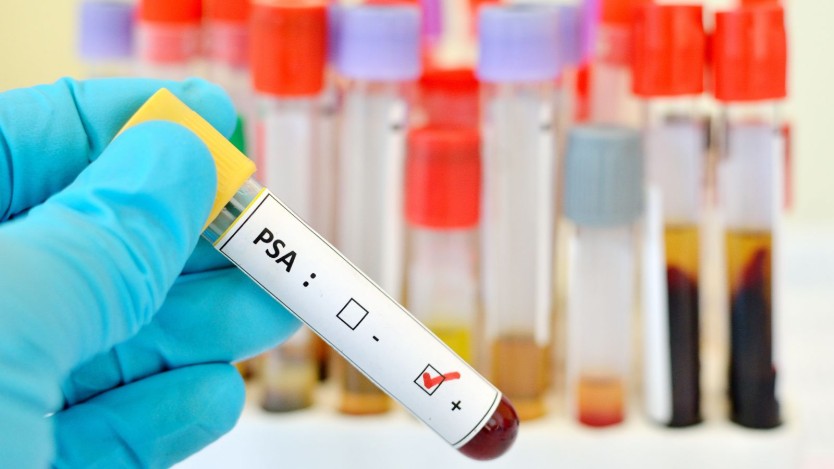
Prostate-specific antigen, or PSA (Prostate-Specific Antigen), is a glycoprotein produced by the cells of the prostate gland and is known to be a marker for prostate cancer. Its function is the dissolution of the seminal clot. Its synthesis is unique to the prostate.
A small portion of this PSA passes into the bloodstream of diseased men, which is measured for the diagnosis, prognosis and monitoring of cancer and other prostate disorders, such as prostatitis.
The PSA test measures the concentration of this antigen in a man's blood in nanograms per millilitre of blood (ng/ml).

Free Assessment for Contracting Medical Services
Operarme’s Patient Service will contact you and solve all your questions on the medical service you need.
PSA blood levels are often elevated in men who have prostate cancer. For this reason PSA testing was originally approved to monitor the progression of prostate cancer among men who had already been diagnosed with the disease.
PSA testing was later approved for use in combination with digital rectal examination to screen asymptomatic men for prostate cancer.
Men with prostate symptoms usually have a PSA test along with a digital rectal exam to help doctors determine the nature of the problem.

In addition to prostate cancer, some benign conditions can cause PSA levels to rise in men. The most common benign prostate diseases that cause elevated PSA levels are inflammation of the prostate and benign prostatic hyperplasia or prostate enlargement.
The most useful test for early detection of prostate cancer is the digital rectal examination. This test should be performed annually from the age of 50 onwards. In recent years it has been thought that PSA could be a good marker for early detection of prostate cancer in the general population.
After many studies and after accumulated experience, it seems that PSA is not useful for detecting prostate cancer in patients who do not have any symptoms that suggest prostate pathology and there are cases of prostate cancer without PSA elevation.
Many of those with elevated PSA have elevated PSA for other reasons and benign diseases and undergo prostate biopsy unnecessarily. For all these reasons, PSA testing should only be performed when the doctor deems it appropriate. The results of a PSA test should be interpreted with caution. The test that is still the most useful for early detection of prostate cancer today is an annual digital rectal examination from the age of 50 onwards.
An elevated PSA level does not mean prostate cancer or recurrence of the cancer in a patient who has had the disease. It is a sign that needs to be assessed in conjunction with other tests.
What is a normal PSA level?
The normal PSA value is up to 4.0 ng/ml. PSA is present in the blood in two main forms. Most circulates in the blood surrounded and bound to plasma proteins and a small amount circulates freely, which is called free PSA.
The free PSA percentage test indicates how much of the total PSA is circulating free compared to that bound to proteins. The risk of cancer increases if the ratio of free PSA to total PSA is less than 25%. The lower the ratio, the greater the chance of having prostate cancer.
When is a PSA test recommended?
A PSA test is recommended only in the following cases:
- Suspicious digital rectal examination: A digital rectal examination can be used to examine the prostate, assess its volume and consistency, as the prostate is located just in front of the rectum. If the prostate is too hard, a PSA test can be performed.
- Voiding symptoms: People with prostate disease may have symptoms when they urinate. It usually takes longer to start urination, it is often short, and urine may dribble for a while after urination. In these cases it is recommended to complement the physical examination with a PSA test.
- Determination of prostate cancer: PSA can help determine the extent of the cancer. Higher PSA levels have been linked to more aggressive and more widespread tumours in the body. But it is important to note that the PSA test result itself is not sufficient to diagnose, assess prognosis, indicate treatment or follow up the cancer.
- Recurrence monitoring: Patients who have had their prostate removed because of a tumour should be followed up from time to time with a PSA test. Normally, PSA levels are very low in the blood, but if there is a recurrence of the tumour, it may show up clearly in the blood.
- People with a family history of prostate cancer: The role of PSA as a method of early detection of cancer is under discussion in these cases. On the one hand, these are people with a higher than normal risk of prostate cancer and the test will be more useful; on the other hand, prostate cancer is very common in any man over 60 years of age, so there is not much difference with other people without family members who have had cancer.

Do you need a private consultation with an Urologist?
Purchase your medical voucher easily under Operarme's guarantees and select your nearest clinic.
What happens if a test shows an elevated PSA level?
The elevated PSA level in itself does not mean much. The PSA result has to be assessed together with the patient's symptoms and the result of the digital rectal examination. PSA testing can have false positive or false negative results. A false positive test result occurs when a man's PSA level is elevated, but no cancer is actually present.
A false positive result creates anxiety for the man and his family, and leads to additional medical procedures, such as a prostate biopsy, which can be harmful. Possible side effects of biopsies include serious infections, pain and bleeding. Most men with an elevated PSA do not have prostate cancer.
Only about 25% of men who have a prostate biopsy because of an elevated PSA level actually have prostate cancer.

A false negative test result occurs when a man's PSA level is low even though he actually has prostate cancer. False negative test results can give the man, his family and doctor false confidence that he does not have cancer, when in fact he has cancer that requires treatment.
If a digital rectal examination detects a suspicious lump and the PSA is elevated, the doctor may repeat the PSA test, order a urine culture to rule out prostate infections, perform a transrectal ultrasound, a cystoscopy or a biopsy of prostate tissue.
What is PSA testing for patients who have had prostate cancer?
PSA testing is used to follow patients with a history of prostate cancer to see if their cancer has returned. If a patient's PSA level begins to rise after treatment for prostate cancer, this may be the first sign of recurrence.
Biochemical relapse occurs months or years before other clinical signs and symptoms of prostate cancer recurrence.
However, a single elevated PSA measurement in a patient with a history of prostate cancer does not always mean that the cancer has returned. Your doctor may recommend a repeat PSA test or other tests to look for evidence of a recurrence. Further treatment is not recommended based on a single PSA test result.
Does an elevated PSA level mean cancer?
An elevated PSA level does not mean prostate cancer or recurrence of the cancer in a patient who has had the disease. It is a sign that needs to be assessed in conjunction with other tests.
Do you need a private consultation with an Urologist?
Purchase your medical voucher easily under Operarme's guarantees and select your nearest clinic.
Come to Spain for your surgery or treatment
We manage everything from start to finish
Medical disclaimer: All the published content in Operarme is intended to disseminate reliable medical information to the general public, and is reviewed by healthcare professionals. In any case should this information be used to perform a diagnosis, indicate a treatment, or replace the medical assessment of a professional in a face to face consultation. Find more information in the links below: