Postoperative period after hallux valgus surgery
- What does the surgery involve?
- Postoperative period after hallux valgus surgery with osteotomy
- Postoperative period after hallux valgus surgery without osteotomy

Come to Spain for your surgery or treatment
We manage everything from start to finish
- The postoperative period for hallux valgus surgery varies from one surgical technique to another.
- In the case of hallux valgus surgery with osteotomy, the postoperative period is longer but has very good long-term results.
- The postoperative time required to return to work after hallux valgus surgery will depend largely on the type of work performed.
What does the surgery involve?
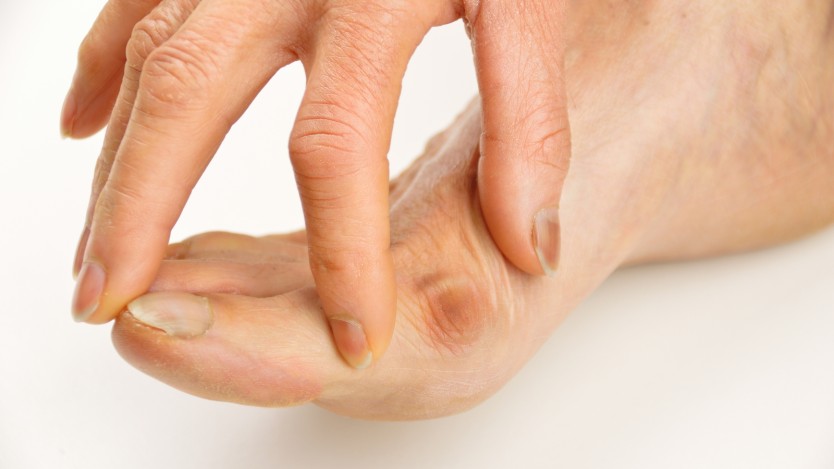
Hallux valgus surgery consists of correcting the bony deviation of the first metatarsal of the foot. This deviation of the first metatarsal causes a deformity of the foot that is visible to the naked eye. In addition, this deviation causes compression of the external collateral nerve of the foot causing the pain associated with hallux valgus.

Do you need hallux valgus surgery?
Request a free and immediate appointment with our specialists
In the same way, the pressure that this bone exerts on the soft elements that cover the foot, the skin and other tissues, can lead to infection of the area by increasing friction with footwear, resulting in what are commonly known as bunions.
To correct this hallux valgus deviation, eliminate pain and bunions, as well as avoid major foot problems, such as claw toes, it is necessary to undergo hallux valgus surgery, either by osteotomy or without it.

In this regard, when patients indicated for this type of surgery attend the preoperative consultation with the traumatology specialist, the most frequent question asked is about the postoperative period after the hallux valgus surgery.
The postoperative period for hallux valgus surgery varies according to the severity of the deviation treated, the patient's history and, above all, the surgical technique used to perform the operation.
Postoperative period after hallux valgus surgery with osteotomy
Hallux valgus operation with osteotomy is usually performed in cases where the bony deviation is greater than or equal to 30º. In this case, the surgeon resects the upper part of the first metatarsal and sometimes even the lower part of the second metatarsal to restore the foot to its proper shape.
To fix these changes, the surgeon uses surgical screws to ensure that the results of the operation are optimal.
The incision made on the side of the foot is then sutured.
The duration of the hallux valgus operation varies between 30 and 120 minutes, depending on the severity of the bony deviation.

The postoperative period will be a little longer with this technique, but the results of the hallux valgus operation with osteotomy are very good.
Postoperative period in hospital after hallux valgus surgery with osteotomy
Hallux valgus surgery with osteotomy is an outpatient procedure and is performed under local or locoregional anaesthesia, so the patient usually leaves the hospital on the same day as the surgery.
Postoperative pain, contrary to what is usually thought, is not so serious because the surgeon administers an anaesthetic in the area that lasts about 24 hours, when inflammation is greater and the pain may be more intense. Once at home, the patient can alleviate the pain by taking painkillers and anti-inflammatory drugs.
Postoperative period at home after hallux valgus surgery with osteotomy
Once the patient is discharged from the hospital, there are a series of recommendations to follow during the postoperative period at home that will allow the patient to achieve the best results after hallux valgus surgery. These include:
- Avoid resting the operated foot for the first 2-6 weeks after the operation, depending on the amount of tissue affected during surgery. This will depend on the severity of the deformity that has been corrected, and it is advisable to start mobilisation as soon as possible.
- Change the dressing regularly, as instructed by the doctors, to avoid possible infection of the surgical wound. The surgeon may also instruct you to take antibiotics for this purpose.
- Take the analgesic and anti-inflammatory medication prescribed by the doctor to control pain.
- Wear a special walking shoe after surgery as recommended by your doctor. This will allow you to walk but not to stand still, as this may increase swelling. You will also not be able to drive for the first month after surgery while wearing the special orthopaedic shoe.
- The use of uncomfortable shoes, such as shoes with heels, can be used from 3 months onwards, but only occasionally, not on a daily basis.
Return to work after postoperative hallux valgus operation with osteotomy
The recovery time after hallux valgus surgery to return to work will depend directly on the severity of the corrected deformity and above all on the type of work to be performed.
If the patient works in an office, he or she will be able to return to work even before the first 15 days, while if the work consists of spending many hours standing or moving, up to 3 months of postoperative recovery may be necessary before being able to return to work.
All of this will depend on each individual, so it is important to consult your doctor about your specific case depending on your surgery.
The results of hallux valgus surgery with osteotomy are undoubtedly excellent in the long term, although the postoperative period in the most serious cases can sometimes take several months.
Postoperative period after hallux valgus surgery without osteotomy
Hallux valgus surgery without osteotomy consists of correcting the deviation of the first metatarsal of the foot by means of a minimally invasive procedure called percutaneous surgery.
This technique is minimally invasive and allows the surgeon to solve the problem through a small incision of less than 10 mm through which he introduces a series of surgical instruments with which he files or cuts the bone and other soft elements. To do this, the surgeon is guided by an x-ray screen that shows the inside of the foot as the operation is performed.

Percutaneous surgery is only used in cases of mild or moderate hallux valgus, since, as we have mentioned previously, if the angle of deviation is 30º or more, the hallux valgus operation with osteotomy is carried out.
After the surgery, the surgeon will bandage the patient's foot and will indicate the care and instructions to be carried out during the postoperative period in order to avoid possible complications and thus achieve the greatest success after the hallux valgus correction.
The use of this technique has some postoperative advantages that cannot be achieved with conventional hallux valgus surgery.
Postoperative period in hospital after hallux valgus operation without osteotomy
The postoperative hospital stay after percutaneous hallux valgus surgery is minimal, as it is performed on an outpatient basis under local anaesthesia. After the surgery, the patient's foot is bandaged and the patient is taught how to take care of the foot.
The patient is also given instructions to follow during recovery at home to avoid possible complications. On the same day it is possible for the patient to leave the hospital on their own, although this is not always recommended.
Postoperative period at home after hallux valgus surgery without osteotomy
Once at home, the patient can move around relatively freely, always wearing special shoes for the time indicated by the surgeon. In the case of this surgery, the postoperative period is shorter due to the fact that the damage to the soft tissues is less than in the hallux valgus operation with osteotomy.
Normally, the patient should visit the specialist 7 days after the surgery to have the bandage changed and to see how the recovery is going. In this case, the surgeon will normally provide a separator that will be placed between the first and second toe to achieve the correct positioning of the bone, as in this case no screws are used to fix the joint.
The separator, together with a special bandage, should be worn by the patient for about 6 weeks, and the patient should be able to walk on his or her own feet from the first day after the operation.
In this case, if the postoperative period is carried out correctly, the results are good.

Do you need hallux valgus surgery?
Request a free and immediate appointment with our specialists in Traumatology
Come to Spain for your surgery or treatment
We manage everything from start to finish
Medical disclaimer: All the published content in Operarme is intended to disseminate reliable medical information to the general public, and is reviewed by healthcare professionals. In any case should this information be used to perform a diagnosis, indicate a treatment, or replace the medical assessment of a professional in a face to face consultation. Find more information in the links below: