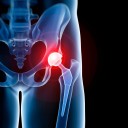
Osteoarthritis of the hip, what it is, symptoms and treatments

- Why does hip osteoarthritis occur?
- What types of hip osteoarthritis can we find?
- Causes of hip osteoarthritis
- What are the symptoms of hip osteoarthritis?
- How is hip osteoarthritis diagnosed?
- What treatments are recommended to treat osteoarthritis of the hip?

Come to Spain for your surgery or treatment
We manage everything from start to finish
Why does hip osteoarthritis occur?
- Osteoarthritis, also known as osteoarthritis, is a degenerative disease affecting the joints. It is the most common disease among middle-aged people.
- It is common for osteoarthritis to also affect the hip, as it is a joint that is prone to joint overload.
- The implantation of a hip prosthesis is the most effective solution to improve the patient's quality of life and reduce the pain caused by osteoarthritis.
Osteoarthritis is a very common disease among the population, with age being the main cause of its occurrence. As age increases, the risk of osteoarthritis also increases. From the age of 30 onwards, the risk of osteoarthritis begins to increase, rising to around 80% by the age of 65, and can reach 95% at older ages.
In terms of the incidence of osteoarthritis of the hip, it affects more women than men from the age of 60 onwards, which may be due to hormonal changes.
The most common types of osteoarthritis are osteoarthritis of the knee and osteoarthritis of the hip, as these are the most weight-bearing joints in the body. They are therefore the joints that most often require prosthetic surgery. Osteoarthritis can also affect other joints, such as the limbs or the spine.
Osteoarthritis of the hip can occur for different reasons, however there is a common cause in all osteoarthritis processes: wear and tear of the cartilage that covers the bones of the joint.

Cartilage is the tissue that protects the bones of the joints. Cartilage, along with a fluid called synovial fluid, allows bones to glide smoothly over each other.
However, when the cartilage breaks down and wears away, the bones rub against each other more roughly and this is when osteoarthritis occurs. This wear and tear of the cartilage is caused by the wear and tear of the structures that form it, the main cause of wear and tear being trauma, hormonal changes, etc. The wear and tear of the cartilage causes it to lose elasticity or reduce its thickness, and may even disappear.
Similarly, synovial fluid also deteriorates for the same reasons as cartilage. As a result, it begins to thicken and lose its properties.
Osteoarthritis of the hip occurs when the bones that form the hip joint, the head of the femur and the socket of the pelvis (the cavity in the pelvis where the head of the femur fits), begin to rub together due to wear and tear of the cartilage and synovial fluid.
It is the rubbing between the bones that will cause them to deteriorate more rapidly and the patient may experience pain.
What types of hip osteoarthritis can we find?
Osteoarthritis of the hip can be of different types, depending on the causes of its onset or how severe the patient's symptoms are.

Depending on the causes that trigger osteoarthritis of the hip, it can be classified into two types:
- Primary hip osteoarthritis: this is also known as essential osteoarthritis. It occurs when there is no specific cause that triggers the disease, but as it is a multifactorial pathology, as the name itself indicates, it may be due to various risk factors, which we will discuss later. This type of hip osteoarthritis is the most common, occurring mainly in people over 65 years of age and older.
- Secondary hip osteoarthritis: this occurs when the onset of osteoarthritis is due to a specific cause, such as diseases affecting other joints, the body or due to birth defects (such as dysplastic hips).
Depending on the severity of the patient's symptoms, hip osteoarthritis can be classified as follows:
- Mild hip osteoarthritis: When the patient suffers from mild hip osteoarthritis, intermittent pain is felt from the inner thigh to the knee. Most people with mild osteoarthritis can go about their daily activities normally, as these are hardly affected. Mainly, pain may occur when walking in the morning or after strenuous exercise of long duration. Relief of this pain can be achieved with pharmacological or non-pharmacological measures, as we will see below.
- Moderate hip osteoarthritis: Patients with this type of hip osteoarthritis experience pain in the joint most days, and may also suffer from slight deformities. The pain usually makes it difficult for them to perform many of the day-to-day activities that require the use of the joint. Occasionally, pain can also occur during sleep or even at rest.
- Severe hip osteoarthritis: It is common for patients with severe hip osteoarthritis to experience pain on a daily basis, and may even prevent the patient from sleeping normally at night. In addition, many physical activities or activities of daily living are severely limited. Prosthetic surgery, i.e. the implantation of a hip prosthesis, is the best option to treat this type of osteoarthritis.

Do you need hip replacement surgery in Spain?
Request a free and immediate appointment with our specialists
Causes of hip osteoarthritis
As mentioned above, osteoarthritis of the hip is multifactorial, i.e. its onset is due to various factors, although depending on whether it is primary or secondary, there are different risk factors that can lead to its onset.
When osteoarthritis of the hip is primary, the risk factors that may cause it to appear are:
- Advanced age: This is the most common and most important risk factor. With ageing, ligament laxity increases (the number of loose ligaments in our body increases), which leads to a decrease in muscle strength, cartilage thickness, etc.
- Obesity: This is also one of the most important factors. Moreover, it is the only one that hip osteoarthritis patients themselves can correct. Weight loss is essential for patients suffering from the disease and for those who have had their hips replaced, as a decrease in weight will mean that the hip will bear less kilos and be less overloaded and therefore not wear out as quickly due to friction of the joint.
- Sports and professions: Continuous high-performance sport or jobs involving heavy lifting can lead to cartilage loss due to the pressure on the joint.
- Genetics: There is evidence to suggest that osteoarthritis is hereditary, so if you have it, your children will probably have it too.

When hip osteoarthritis is secondary its appearance is due to specific factors that have led to its appearance, such as:
- Disorders of foetal development in the maternal uterus during pregnancy.
- Hip dysplasia.
- Sequelae of childhood or adolescent diseases.
- Joint fractures.
- Rheumatic diseases.
- Infections in the joints.
- Vascular bone necrosis (insufficient blood flow to the femoral head).
- Dysmetria (inequality in the length of the lower extremities).
What are the symptoms of hip osteoarthritis?
The first symptom suffered by someone suffering from hip osteoarthritis is pain, which is most likely to increase when the patient is walking or after exercise. It is also common when the patient is at rest for a long time and gets up to start walking. Joint deformity and loss of mobility due to joint stiffness are also common.
The pain may be increasing, even when at rest, especially when the patient has moderate or severe hip osteoarthritis. This pain will be experienced in the groyne area, buttock area or posterior aspect of the thigh. Pain in the knee area is also common.
As for joint stiffness, the patient may experience a loss of strength in the leg or have a limp when, after being at rest for a while, he/she resumes walking (usually in the morning when waking up and getting out of bed). Joint stiffness limits joint movement for a few minutes. Hearing a rubbing or cracking sound is also common when moving the joint.
How is hip osteoarthritis diagnosed?
For the diagnosis of osteoarthritis of the hip, the specialist must first of all know the patient's medical history, as well as conduct a preliminary interview to find out the patient's symptoms and the causes of the pain he/she is suffering from.
After the medical interview with the patient, the doctor may perform a physical examination, which may show:
- Crunching of joints
- Inflammation of the joints
- Inability to perform certain movements
- Tenderness when pressing on the joint
In addition to the physical examination, the doctor may do other types of tests to confirm the diagnosis and the causes that have produced hip osteoarthritis, such as an x-ray, which may show bone wear and loss of space between the joints.
What treatments are recommended to treat osteoarthritis of the hip?
First of all, weight loss is essential for the patient, since the less weight he or she weighs, the less pressure he or she will have on the hip joint. This reduction can help the patient to alleviate the symptoms of hip osteoarthritis.
Another method of relieving pain and inflammation is to take drugs such as paracetamol or ibuprofen, although this should be prescribed by a specialist.
Implantation of a hip prosthesis (Arthroplasty)
Hip arthroplasty (this is the name given to the implantation of a hip prosthesis) lasts between 1 and 3 hours, although its duration will depend on factors such as the patient's physical condition or how damaged the joint is.

Do you need a diagnosis for your hip problem?
Purchase a private consultation with one of our specialists in hip replacement and find a solution for your hip.
Come to Spain for your surgery or treatment
We manage everything from start to finish
Medical disclaimer: All the published content in Operarme is intended to disseminate reliable medical information to the general public, and is reviewed by healthcare professionals. In any case should this information be used to perform a diagnosis, indicate a treatment, or replace the medical assessment of a professional in a face to face consultation. Find more information in the links below: