Knee injuries: the unhappy triad

Come to Spain for your surgery or treatment
We manage everything from start to finish
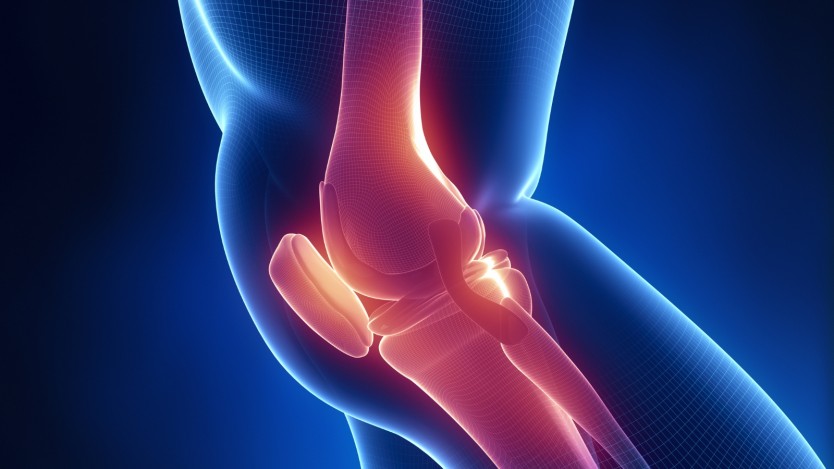
Unhappy Triad is one of the most feared injuries by top-level athletes due to the long recovery time, the number of structures involved, the possibility of not regaining pre-injury mobility and, of course, the obligatory need to undergo surgery if you intend to return to competition.
This type of knee injury, also called O’Donoghue’s triad, injures three structures of the knee at the same time: the anterior cruciate ligament, the medial collateral ligament and the meniscus. It is caused by a sudden deceleration or hard braking followed by a change of direction on the supporting leg, forcing the knee inwards and into rotation.
At that moment the individual's foot is "stuck" in the ground, producing a rotation of the tibia on the femur that cannot be supported by the structures of the knee, at which point the famous "snap" is heard, audible not only to the individual but also to the people around him or her. The consequent sensations after the injury are intense pain in the knee area together with a feeling of instability in the joint, which makes walking impossible.

Due to the number of structures involved, a series of tests are necessary to diagnose the extent of the injury. In addition to the physical tests carried out by the doctor, radiological tests are carried out in order to rule out bone fractures, as well as an MRI scan.
When choosing the treatment, it is necessary to know the condition of each of the elements involved in the injury first individually and then as a whole. For example, in grade 1 and 2 medial collateral ligament injuries, surgery is not necessary because they heal spontaneously. Thus, when the condition of the knee improves sufficiently, rehabilitation is started to help the ligament regenerate.
In contrast, the anterior cruciate ligament does not heal on its own, so active people and athletes usually need surgical reconstruction. In short, as we mentioned at the beginning, in order to be able to continue at the same level of physical/sports activity as before the injury, surgery is necessary in most cases, which is recommended to be carried out by arthroscopy.

Do you need a Traumatology consultation?
Purchase your medical voucher easily under Operarme's guarantees and select your nearest clinic/hospital for a private consultation with a specialist.
Come to Spain for your surgery or treatment
We manage everything from start to finish
Medical disclaimer: All the published content in Operarme is intended to disseminate reliable medical information to the general public, and is reviewed by healthcare professionals. In any case should this information be used to perform a diagnosis, indicate a treatment, or replace the medical assessment of a professional in a face to face consultation. Find more information in the links below: