Kidney stones: what they are, causes, symptoms and treatment
- What is a kidney stone?
- Types of kidney stones
- Causes of kidney stones
- Symptoms of kidney stones
- Prevent kidney stones
- Tests and examinations
- Treatment of kidney stones
- Holmium laser lithotripsy surgery
- Would you like to make an appointment for a holmium laser lithotripsy surgery for kidney stones?

Come to Spain for your surgery or treatment
We manage everything from start to finish
- Kidney stones are caused by solid material in the kidney.
- The causes of kidney stones are often due to low hydration and high salt diets.
- The most commonly used surgery is holmium laser lithotripsy, which guarantees the removal of the kidney stone without any consequences for the patient.
What is a kidney stone?
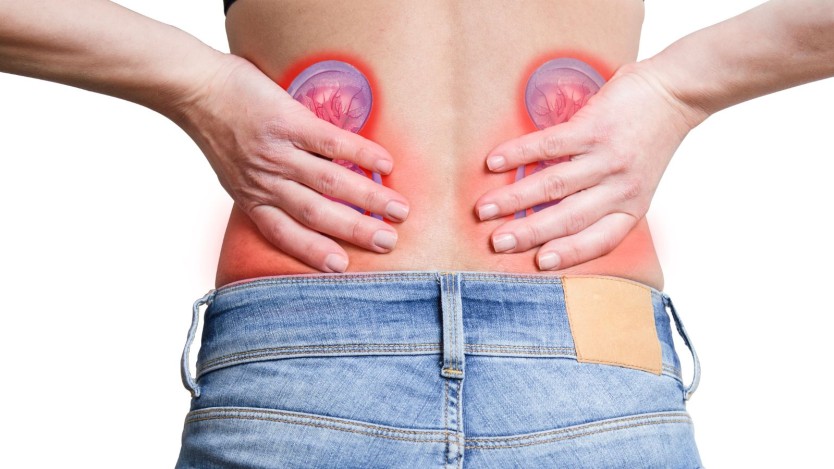
A kidney stone is a piece of solid material that appears in the kidney. Its appearance is due to metabolic alterations, a decrease in urinary volume or an increase in the urinary excretion of certain chemical components. These factors make it difficult for the salts in the urine to dissolve, and end up creating kidney stones.

Do you need to remove kidney stones?
Request a free and immediate surgical consultation with our specialist in Holmium laser.
The main cause of kidney stones is not drinking enough fluids. When less than one litre of urine is produced daily, there is an increased risk of kidney stones. Urine that is too acidic facilitates the formation of uric acid stones, while alkaline urine facilitates the formation of phosphate stones.

In short, kidney stones arise as a result of the formation and agglomeration of crystals in supersaturated urine. This supersaturation may be due to:
- Too high a concentration of salts in the urine.
- Imbalances between factors that promote and inhibit the concentration of substances in the urine.
Types of kidney stones
There are different types of kidney stones depending on the combination of substances that make them up:
- Calcium stones. These are the most common. They are usually suffered by men between 20 and 30 years of age.
- Cystine stones. They are formed in people who suffer from cystinuria. This is an inherited disorder that affects women and men equally.
- Struvite stones. These are usually found in women with a urinary tract infection. These stones can grow so large that they block the kidney, ureters or bladder.
- Uric acid stones. They may be caused by gout or chemotherapy. They are more common among men than women.
- Coral-shaped stone. Named because they are shaped like coral. They are very large stones and appear in patients with urinary tract infections caused by Proteus bacteria.
Causes of kidney stones
The main factor in the development of kidney stones is a lack of fluids. Lack of fluid in the kidneys causes stones. Although there are discrepancies, there is no real evidence that the type of fluid ingested affects stone formation.
What is proven is that excess vitamin C increases renal excretion of oxalate and increases the risk of calcium stones.
The hereditary factor is also very important. In people who have a family history of kidney stones or who have already suffered from them themselves, it is important to monitor both the amount of urine they produce, at least two litres a day, and the colour and smell of the urine. A faint odour and light colour implies proper hydration.
Diets rich in salts, sugars and proteins are risk factors for the development of kidney stones, especially in people who have already suffered from calcium concentrations.
Although calcium is the main element in kidney stones, it should not be omitted. The only drawback is the consumption of calcium supplements, which are a cause of kidney stones.
Obesity in people over the age of 40 is a risk factor. The same applies to hypertension, diabetes and gout. Kidney stones are more common among men than women.
Some common chemicals in medicines precipitate stones. These chemicals are: indinavir, quasifenesin, silicate, atazanavir, trianterene and sulfa.
Symptoms of kidney stones
Stones usually do not cause symptoms until they have passed down the urethra with the urine. Stones smaller than 3 mm may even pass through the urinary system and be passed without causing visible symptoms. These stones can be passed in the urine without any pain.
The main symptom of kidney stones is severe pain, which starts and stops suddenly. This pain is called renal colic. It is pain that is felt in the abdominal area, in the side of the back, in the groyne area or in the testicles.

Renal colic occurs when a stone of at least 4 mm is impacted at some point in the ureter causing obstruction and dilatation of the urinary system.
Other symptoms of kidney stones are:
- Abnormal urine colour
- Blood in the urine
- Chills
- Fever
- Nausea and vomiting
- Feeling the need to go to the toilet more often than usual.
Prevent kidney stones
The best way to combat the symptoms of kidney stones is always prevention. Methods to prevent kidney stones include:
- Drinking about 10 glasses of liquid to produce urine.
- Consumption of diuretic herbs such as parsley, nettle and dandelion.
- Taking no more than one teaspoon of salt. This includes salt in ready-made products.
- Do not eat too much meat. About two portions a day should be sufficient.
Tests and examinations
To diagnose kidney stones, a series of tests and examinations are necessary. These tests are:
- Kidney function tests
- Blood tests, to assess calcium, phosphorus, uric acid and electrolyte levels.
- Urinalysis, to study red blood cells in the urine and the appearance of crystals.
- CT scan of the abdomen.
- X-ray of the abdomen
- MRI of the abdomen and kidney.
- intravenous and retrograde pyelography.
- Ultrasound of the kidney
Not all of these tests are essential to diagnose kidney stone disease. Some of them are usually enough to be certain that the symptoms are caused by the appearance of matter in the kidneys.
Treatment of kidney stones
The size and position of the kidney stone must be taken into account when deciding on treatment.
If the stones are small enough, no treatment is necessary. They can be easily passed in the urine. If these stones will cause the patient any pain, medication is usually prescribed to help relieve the pain.
For stones that are too large, extracorporeal shock wave lithotripsy, also known as ESWL, is often used. This involves the doctor using a machine that uses shock waves to break up the stone so that it can be passed in the urine.
Another method involves inserting a very thin instrument into the urethra, bladder and urethra to find the stones. Once found, they can be removed or broken up. This procedure must be accompanied by anaesthesia to numb the area.
Percutaneous nephrolithotomy involves making a small incision to create a tunnel directly into the kidney. The nephroscope is inserted through this incision to locate and remove the stone.
In particular cases surgery is also an option and often the only option to get rid of larger kidney stones. Surgery is chosen when the stone is too large to pass on its own, the stone is growing, the stone is blocking the flow of urine, it is causing infection or the pain is unbearable and uncontrollable.
Holmium laser lithotripsy surgery
The most advisable treatment for kidney stones is lithotripsy surgery with holmium laser. This intervention makes it possible to eliminate the renal bodies without making any type of incision in the patient. It is one of the least invasive treatments for this problem.

Unlike extracorporeal lithotripsy, holmium laser lithotripsy allows most of the debris to be removed during the procedure itself. It lasts between 45 and 60 minutes. This time varies depending on the amount, location, size and hardness of the stones.
After kidney stone surgery
In the vast majority of cases, kidney stone surgery involves the total elimination of kidney stone symptoms.
In some cases the stones may recur. This is because, despite having treated them, the particular causes of the case are unknown or the doctor's recommendations are not followed.
The doctor's advice is also important to avoid possible urinary tract infections and damage due to kidney scarring. These risks increase considerably if treatment has been delayed too long.
Would you like to make an appointment for a holmium laser lithotripsy surgery for kidney stones?
If you want to have surgery to remove kidney stones that make your life impossible, remember that you can request a free surgical assessment consultation with our specialists to assess your case and decide together the best option for your medical problem.
You can request a free appointment by clicking below:

Do you need to remove kidney stones?
Request a free and immediate surgical consultation with our specialist in Holmium laser.
Come to Spain for your surgery or treatment
We manage everything from start to finish
Medical disclaimer: All the published content in Operarme is intended to disseminate reliable medical information to the general public, and is reviewed by healthcare professionals. In any case should this information be used to perform a diagnosis, indicate a treatment, or replace the medical assessment of a professional in a face to face consultation. Find more information in the links below: