Is it necessary to operate on a torn meniscus?
- Influencing factors
- When should conservative treatment be chosen?
- When should surgical treatment be chosen?

Come to Spain for your surgery or treatment
We manage everything from start to finish
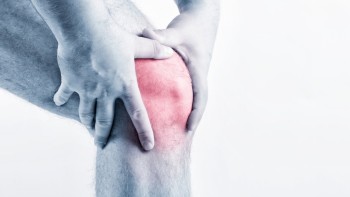
- A meniscal tear is a fairly common injury and the decision to operate or not must be agreed between the patient and the doctor.
- Not all meniscus tears need to be operated on; it will depend on the type of injury and the meniscal area where it has occurred.
- Nevertheless, in many cases surgery is necessary, with arthroscopic knee surgery being the most commonly used to treat meniscal tears.
Influencing factors
This is a very common question in trauma consultations and it is sometimes difficult to give a definitive answer. After the diagnosis of a meniscal tear, the specialist together with the patient will assess the need for surgical intervention or choose conservative treatment.
The main goal of treatment is to reduce pain and inflammation of the joint, but the aim must also be to restore the functionality and mobility of the knee.

Do you need to consult a trauma surgeon?
Purchase your medical voucher easily under Operarme's guarantees and select your nearest clinic/hospital.
The treatment of a meniscal tear will depend on several factors and it is not an easy decision to make.
Before choosing the most appropriate treatment for a particular case, the doctor will assess the following factors:
- The age of the patient: treatment in children, adolescents and young adults is often surgical while in adults and older people the treatment usually chosen is conservative.
- The type of injury can be traumatic or degenerative: Considering that traumatic injuries are often associated with ligament injuries, treatment will be surgical in a large percentage of cases.
- The location of the injury is very important when making decisions regarding the type of treatment. The peripheral meniscus has vascularisation and innervation and can heal. The central zone of the meniscus is avascular and does not regenerate.
- Associated pathologies such as injuries to ligaments, cartilage, bones, joint capsule play a very important role in the decision making process. When there are associated injuries, treatment is usually surgical.
- An important factor is a re-tear after a meniscal suture.
- The patient's level of activity is another factor to take into account. If the patient is a professional athlete, the treatment is likely to be surgical, whereas in the case of a person with a sedentary lifestyle, the treatment of choice will be conservative.
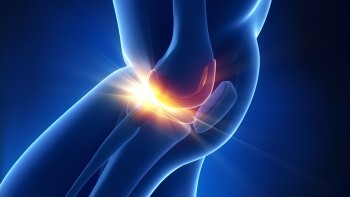
- One of the most important factors when making a decision is the location of the injury. To understand the importance of this factor, it is necessary to understand the anatomy and vascularisation of the meniscus. We have two menisci in each knee: a medial and a lateral meniscus. They are elastic pads that cover about two-thirds of the tibial surface.

The inner third of the meniscus, which is called the white zone, is avascular, i.e. it has no blood supply. It also has no nerve endings and is therefore painless. Injuries to this zone cause pain if the irregular surface of the injured area irritates the other parts of the joint.
The outer third of the meniscus, called the red zone, is vascularised and well innervated. It can therefore heal, and injuries to it are painful.
Between the red zone and the white zone there is a transitional zone where the blood supply still reaches, but is no longer as abundant. Injuries in the red zone are generally worth suturing, because they have a high chance of regenerating.
Lesions in the transitional zone must be assessed carefully, taking other factors into account. Injuries in the white zone are not worth suturing. In this case, partial meniscectomy is recommended. If we opt for partial meniscectomy, it is important to bear in mind that removing a small piece of the meniscus will already have consequences.
For the traumatologist, it is also important to know the type of rupture: bucket-handle, parrot's beak, oblique, longitudinal, vertical, horizontal, complex, degenerative, transverse.
A distinction must also be made between stable and unstable ruptures. A stable tear may not disturb the articular surface, whereas an unstable fragment moves continuously within the joint causing more damage and producing pain and inflammation.
When should conservative treatment be chosen?
- Meniscal lesions are asymptomatic, i.e. they do not cause discomfort to the patient.
- The patient has mild symptoms and there is no joint blockage or effusion.
- The meniscal injury is capable of healing if the tear is located in the peripheral area of the meniscus where there is vascularisation and innervation.
- The lesion is longitudinal, less than 1 cm in length and stable.
- The lesion is radial and less than 5 mm.
Conservative treatment includes physiotherapy, anti-inflammatory and analgesic drugs, supplements based on collagen, hyaluronic acid, chondroitin, glucosamine, MSM, or if necessary infiltration of the knee area.
The RICE protocol is effective for most sports-related injuries. This acronym stands for:
- R=Rest: Stop sporting activity for a while and if necessary use crutches or splints.
- I=Ice: Apply cold to the affected area for 20 minutes at a time, several times a day.
- C=Compression: Use an elastic bandage to prevent swelling of the injured area.
- E=Elevation: Elevate your injured leg above the level of your heart.

When should surgical treatment be chosen?
- The patient is young, athletic.
- There is limited knee movement, joint locking or joint stability failure.
- There are accompanying pathologies such as ligament injuries.
- The patient cannot regain his or her level of activity with conservative treatment.
Surgical treatment in most cases is arthroscopic surgery performed under spinal (regional) anaesthesia. In this procedure, a small camera is inserted through a small incision. Other special instruments are inserted to remove the damaged part of the meniscus or for suturing.
Meniscus transplants are performed in young people or athletes who have undergone a total meniscectomy and who have severe, ongoing pain due to overuse. Allografts or synthetic implants can be used. The long-term results of meniscus transplants are still being studied.

Do you need to repair a torn meniscus?
Request a free and immediate appointment with our specialists in traumatology
Come to Spain for your surgery or treatment
We manage everything from start to finish
Medical disclaimer: All the published content in Operarme is intended to disseminate reliable medical information to the general public, and is reviewed by healthcare professionals. In any case should this information be used to perform a diagnosis, indicate a treatment, or replace the medical assessment of a professional in a face to face consultation. Find more information in the links below: