Instructions and care after hip replacement surgery
- Hospital care instructions
- Care at home
- Surgical wound care instructions
- Care when sitting or sleeping
- Instructions to avoid forced movements that could damage the prosthesis

Come to Spain for your surgery or treatment
We manage everything from start to finish
Hospital care instructions
Hip prosthesis surgery is a major intervention that involves, among other things, a postoperative hospital stay of 5 days, several weeks to be able to move around comfortably and several months of recovery and rehabilitation where the patient checks week by week his or her improvement.
In order to avoid complications and improve the rehabilitation of the hip prosthesis, the medical team at the hospital will give you a series of instructions on the care you should take in the weeks and months following the hip prosthesis surgery.
Rehabilitation can be carried out at home without any problems with minimal conditioning to facilitate movement.
As an alternative, there is the possibility of spending the first few months in a rehabilitation centre where there are specialised medical staff who will help you to get the most out of your recovery.
Regarding the instructions and care of the hip prosthesis that should be carried out when leaving the hospital, we find the following:
Care at home
- The patient must take the medication according to the schedule prescribed by the doctor. This optimises their effect and avoids possible complications.
- Avoid driving until the doctor tells you that you are ready. If you are taking narcotic pain medication, do not drive under any circumstances.
- If you feel discomfort at night during the first few weeks, get up and walk around to relieve it.
- The incision stitches are usually removed within two weeks of surgery.
- You should wear compression stockings for as long as possible for the first 4 weeks after hip replacement surgery.
- Finally, you should inform both your doctors and dentists that you have undergone hip replacement surgery, as an unsafe medical procedure can lead to infection of the prosthesis.

Surgical wound care instructions
- The patient should monitor the state of the wound daily during the first few weeks in order to be aware of any symptoms of infection such as redness, swelling, tenderness or oozing of the wound.
- One of the basic recommendations after hip replacement surgery is to wash your hands regularly. This habit minimises the chances of infection in the surgical wound.
- The patient should wait between 5 and 7 days after surgery before showering. After this time, it is advisable to place a bench in the shower to sit on and prevent falls. To wash the wound, use soap and water, be very careful and do not rub it dry. At the same time, avoid applying creams or lotions to the wound.
- Do not use swimming pools, bathtubs, etc. until your doctor has given you permission to do so.
- If you think you may have an infection, do not hesitate to call your doctor as soon as possible to avoid further damage.
Care when sitting or sleeping
- Do not spend more than 30-45 minutes sitting in the same position or without getting up or moving.
- When sitting, use chairs with armrests and high enough so that your knees are lower than your hips.
- Avoid crossing your legs altogether.
- Keep your feet flat on the floor, as twisting your feet inwards can put too much strain on your hips.
- When sitting, keep your feet together but your knees apart, to avoid straining the joint.
- The use of elevated toilet seats is highly recommended for the weeks following surgery (approximately 6 weeks).
- Sleeping on the stomach or on the operated hip is prohibited. Also use pillows between the legs when sleeping on the back or on the good side.
- When getting in and out of the car, avoid excessive hip flexion. The patient should use cushions to keep the knees slightly below the hips, just as at home.

Instructions to avoid forced movements that could damage the prosthesis
- The use of canes, walkers, etc. is recommended until the patient's balance, strength and flexibility improve.
- It is advisable to use a backpack or clothing with pockets to keep your hands free in case you need to lean on something to keep your balance.
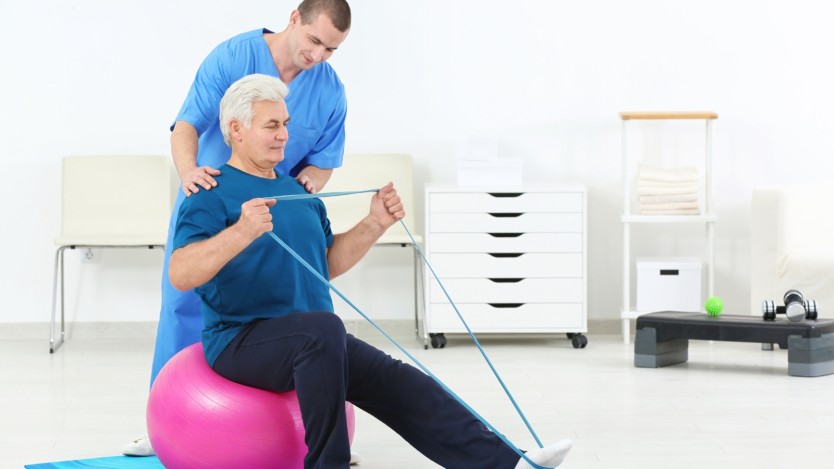
- Do the exercises prescribed by the doctor, either alone or with a physiotherapist, and avoid carrying excessive weight on the operated leg.
- A very important tip is to organise the patient's home so that everything necessary is within easy reach.
- Set up your bathroom with mats, handrails and so on to prevent possible falls.
Although it may seem like a lot of things to keep in mind after hip replacement surgery, the reality is that these are simply habits to get used to and will become part of the patient's life after a few weeks.
Of course, it is advisable that the person should not be alone at home, but at least for the first few months after the surgery should be with a family member or professional to help them with everything they need.

Do you need hip replacement surgery?
Request a free and immediate appointment with our specialists in Traumatology
Come to Spain for your surgery or treatment
We manage everything from start to finish
Medical disclaimer: All the published content in Operarme is intended to disseminate reliable medical information to the general public, and is reviewed by healthcare professionals. In any case should this information be used to perform a diagnosis, indicate a treatment, or replace the medical assessment of a professional in a face to face consultation. Find more information in the links below: