Inflamed turbinates: what they are, causes, symptoms and treatments

- What are turbinates?
- Causes of inflamed turbinates
- Symptoms of inflamed turbinates
- Diagnosis of inflamed turbinates
- Treatments for inflamed turbinates
- Radiofrequency treatment for inflamed turbinates
- Request a surgical assessment consultation with Operarme

Come to Spain for your surgery or treatment
We manage everything from start to finish
- Inflamed turbinates means turbinate hypertrophy. Symptoms include nasal obstruction, facial discomfort, loss of smell and sleep apnoea, among others.
- To confirm a case of inflamed turbinates, the ENT specialist will examine the nasal cavities by rhinoscopy, a minimally invasive examination.
- Radiofrequency reduction of inflamed turbinates is the most effective solution when non-surgical treatments do not work.
What are turbinates?
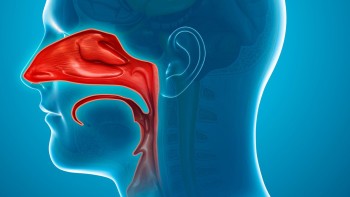
The turbinates are structures that humidify the air reaching the lungs, filter the air we breathe and warm it to improve the quality of our breathing. They are bony structures covered with mucosa located inside the nose, on both sides of the nasal cavity, which is divided by the nasal septum. Their blood vessels and nerves humidify, filter and warm the air so that it does not reach the lungs cold.
On each side of the nose there are three staggered turbinates, distinguished by their position: the upper, middle and lower turbinates. The lower turbinate, the largest, is usually the one that causes nasal obstruction.

Do you need turbinate reduction surgery?
Request a surgical assessment appointment without waiting with one of our specialists
When we talk about inflamed turbinates, we mean turbinate hypertrophy, an excessive enlargement of these structures. The main function of the turbinates is to direct the airflow inside the nasal cavity. The inferior turbinates regulate the airflow by congesting and decongesting their cavernous tissue, i.e. by increasing and reducing their size. So when something has caused hypertrophy, there is an obstruction that prevents air from flowing.

Many factors can alter the functioning of the turbinates and contribute to their inflammation or hypertrophy, such as colds, allergies, smoking or drinking alcohol. In addition, the turbinates have many blood vessels that are very sensitive to temperature changes.
In the next section we look at the causes of turbinate hypertrophy, as well as its symptoms and treatment.
Causes of inflamed turbinates
Inflamed turbinates involve hypertrophy, i.e. a thickening of their mucosa due to inflammation. When this inflammation is chronic, it causes persistent nasal congestion. It is often caused by an allergic process such as allergic rhinitis, but there are other factors that alter the size of the turbinates:
- Hormonal changes. Certain drugs, pregnancy or puberty can alter hormone production, causing swelling of the mucosa and nasal obstruction.
- Advanced age. Over the years, the body deteriorates and underlying conditions can contribute to turbinate inflammation, with nasal obstruction and abundant mucus making it hard to breathe through the nose.
- Obesity. Excess weight is associated with greater nasal congestion and sleep-related breathing disorders, and increases the likelihood of turbinate inflammation.
- Exposure to toxic substances. Smoke, dust, chemicals or very cold, dry air irritate the nasal mucosa and favour turbinate inflammation.
- Smoking and/or drinking alcohol. Both habits irritate the nasal mucosa and favour turbinate inflammation and nasal obstruction.
- Acute or chronic sinusitis. Inflammation of the sinuses can cause turbinate hypertrophy. The turbinates change size and block the nasal passages, to the point that you may only be able to breathe through your mouth.
- Deviated nasal septum. The turbinate on the side opposite the deviation often enlarges to compensate.
- Overuse of nasal decongestants. Prolonged use of decongestant sprays (such as oxymetazoline) causes a rebound effect, known as rhinitis medicamentosa, which leads to turbinate hypertrophy.
Symptoms of inflamed turbinates
Inflamed turbinates means turbinate hypertrophy. This inflammation can be intermittent or become chronic, causing persistent nasal obstruction. The symptoms vary: sometimes they are barely noticeable and at other times they are very bothersome. They include:
- Permanent nasal congestion
- Tiredness
- Apnoea and sleep disorders
- Difficulty breathing through the nose
- Ear discomfort and hearing problems
- Nosebleeds
- Loss of smell
- Facial pain or pressure
- Snoring
The symptoms of turbinate inflammation may be intermittent or go unnoticed. In either case, lack of treatment can make them chronic. If you have any of these symptoms, we advise you to see a specialist to find out the main cause.
Diagnosis of inflamed turbinates
Before looking at the treatments, let us look at the diagnosis. The ENT specialist will examine your nasal cavities to make an accurate diagnosis. This is usually done with a rhinoscopy, a minimally invasive examination, although there are other options such as nasal endoscopy.

The test uses a rhinoscope, an instrument that separates the nasal ala from the septum and widens the field of vision, together with a head mirror and a light source. It lasts approximately 5 to 10 minutes.
There are two types of rhinoscopy:
- Anterior rhinoscopy: performed through the nostrils. The ENT specialist sees the front part of the nasal passages: the mucosa, the nasal vestibule, the inferior turbinates and sometimes the front part of the middle turbinates. You sit in a chair with your head straight and your mouth closed, breathing calmly through your nose.
- Posterior rhinoscopy: performed through the mouth. The doctor sees the back part of the nasal passages: the choanae, the back edge of the vomer, the tails of the turbinates and the nasopharynx. A tongue depressor, a small mirror and an external light source are used. You sit with your head straight and slightly forward, your mouth open and your tongue relaxed, breathing calmly through your nose.
No preparation is needed, although it is advisable to clean the nasal passages with saline solution beforehand.
In anterior rhinoscopy, a vasoconstrictor may be used to reduce the volume of the turbinates. In posterior rhinoscopy, a topical anaesthetic may be applied if you feel nauseous, although this is not usual. The doctor will also ask about your lifestyle, symptoms, previous illnesses, etc. This helps to make an accurate diagnosis and propose the most appropriate treatment.
Below we explain the different treatments for inflamed turbinates. They are simple, quick procedures, and reducing the size of the turbinates improves your quality of life.
Treatments for inflamed turbinates
Excessive inflammation of the inferior turbinates causes nasal obstruction. As there are different causes, each patient needs a specific treatment.
The treatments for inflamed turbinates include preventive measures, medication and different surgical options such as radiofrequency turbinate reduction:
Preventive treatment
The right treatment is chosen once the cause of the hypertrophy is known. If your problem is related to allergies or irritant substances, preventive measures may help, such as removing pollen, dust or pet dander from your home. It is still advisable to see a doctor to diagnose the cause of the inflamed turbinates and of the allergy.
Drug treatment
The most common treatment is medication: corticosteroid nasal sprays and allergy medications, together with avoiding environmental irritants. This reduces the size of the turbinates and improves nasal breathing.
When medication does not work, turbinate hypertrophy can become chronic. The ENT specialist will then propose surgery, which is usually the most effective treatment.
Surgical treatments
Some surgical methods remove part of the bone and others reduce the tissue of the turbinates:
- Turbinoplasty. The surgeon reaches the turbinates with endoscopic instruments and reduces their volume by removing part of their bone or tissue while preserving the mucosa. It can be combined with lateralisation (controlled fracture) of the turbinate to change its position.
- Turbinectomy. Also with endoscopic instruments, part or all of the inferior turbinate is removed until the nasal obstruction is eliminated.
- Radiofrequency. Radiofrequency turbinate reduction is the most widely used technique. Electrodes are inserted through the nostrils into the turbinates, and radiofrequency energy heats the inner tissue in a controlled way, without damaging the adjacent structures, to reduce the size of the turbinate.
- Laser. It cauterises the nasal mucosa to reduce the size of the turbinates and the nasal obstruction.
If you have inflamed turbinates, you can request a surgical assessment appointment by clicking on the button below:

Do you need turbinate reduction surgery?
Request a surgical assessment appointment without waiting with one of our specialists
Radiofrequency treatment for inflamed turbinates
Radiofrequency turbinate reduction is a minimally invasive procedure that causes little pain. It is performed on an outpatient basis, so you can go home the same day without being admitted to hospital. This is how the surgery goes:
Once you are ready, you will be taken to the operating theatre, where you will meet the surgeon, the anaesthetist and a member of the nursing team. Once you are on the operating table, the procedure begins:
- A local anaesthetic is applied to numb the area.
- Once it has taken effect, the surgeon inserts a needle-tipped probe (electrode) through the nostrils and punctures the front of the inferior turbinate.
- The probe is connected to a radiofrequency device that transmits energy to the turbinate tissue to reduce its volume, creating space in the nasal passages for air to flow.
- Once the turbinates have been reduced, the surgeon removes the instrument and you are taken to the recovery room until the effects of the sedation wear off.

Once you have recovered from the effects of the anaesthesia and the surgeon has checked that everything has gone well, you can go home.
Radiofrequency turbinate surgery lasts approximately 15-20 minutes and, as an outpatient procedure, you can leave the hospital the same day.
Recovery after turbinate surgery
It is normal for congestion, crusts and mucus to appear inside the nose after the procedure. This is no cause for alarm, as it disappears over the following days.
To help your recovery, follow the instructions of the doctor who has treated you:
- Nasal washes. It is important to keep the operated area clean. Washing your nose with saline solution promotes healing and prevents infections.
- Avoid heat. During the first few days, avoid intense heat and physical exercise, and do not take aspirin or other medicines that favour nosebleeds without medical advice.
Full recovery takes 10-15 days, although you will notice improvement as the days go by.
Request a surgical assessment consultation with Operarme
You can request a surgical assessment consultation with one of our ENT specialists. If you have obvious nasal obstruction or any related discomfort, please contact us. The Operarme patient service team will answer any questions and arrange your first consultation with the specialist to find the most suitable solution for your case.
Request your consultation by calling +34 91 141 33 56 (our patient service team speaks English), by filling in our contact form or by clicking on the button below:
Do you need turbinate reduction surgery?
Request a surgical assessment appointment without waiting with one of our specialists
Come to Spain for your surgery or treatment
We manage everything from start to finish
Medical disclaimer: All the published content in Operarme is intended to disseminate reliable medical information to the general public, and is reviewed by healthcare professionals. In any case should this information be used to perform a diagnosis, indicate a treatment, or replace the medical assessment of a professional in a face to face consultation. Find more information in the links below: