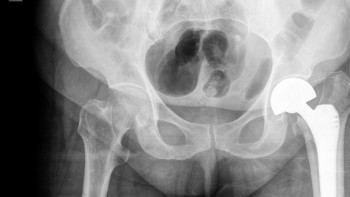
Hip replacement surgery, what should I know?
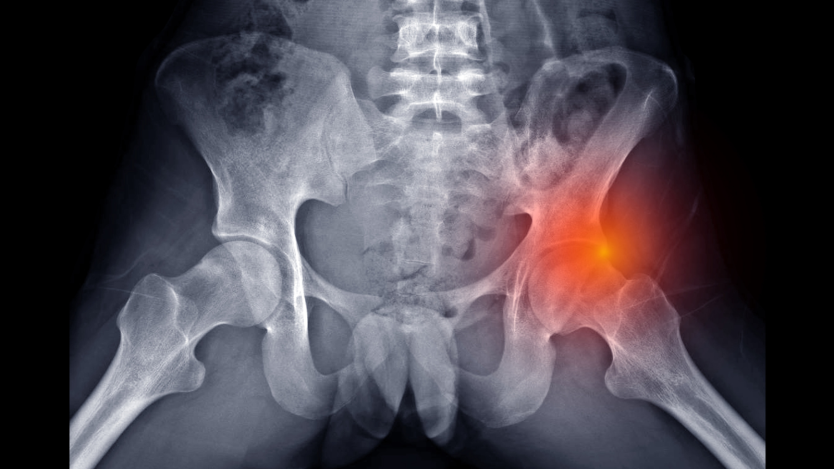
- Why do people opt for hip replacement surgery?
- Diseases leading to hip replacement
- What should you know about hip replacement surgery?
- How long does a hip prosthesis last?
- Step-by-step procedure for hip replacement surgery
- What is the most important thing about a hip replacement surgery?
- Have you already made the decision to have surgery? Request a free consultation with Operarme

Come to Spain for your surgery or treatment
We manage everything from start to finish
Why do people opt for hip replacement surgery?
- Hip replacement surgery is one of the most frequently performed surgeries in Spain, mainly due to the increase in life expectancy.
- Hip replacement surgery lasts between 1 and 3 hours, depending on the case, and its sole objective is to improve the patient's quality of life.
- I'm sure that one of the points that most interests you is the recovery time, as you will be able to return to your daily routine in 1 or 2 months, and you will even be able to practise sport after 6 months.
The decision to have hip replacement surgery is usually taken when you have so much pain, discomfort or lack of mobility (the 3 key symptoms of advanced degenerative osteoarthritis) that you can no longer bear it, and painkillers and anti-inflammatory drugs are useless to control the discomfort, to the point of wanting to have surgery.
In most of these cases, it is normal for your primary care doctor or family doctor, depending on what each one calls it, to refer you to the orthopaedic surgeon so that by means of an X-ray or MRI scan he or she can diagnose the level of involvement of the joint, determine whether you could benefit from conservative treatment to suppress pain and change habits, such as weight loss, exercise to strengthen the muscles and reduce joint pressure, or if the deformity is very serious, indicate the replacement of the hip with a prosthesis.

Diseases leading to hip replacement
The medical problems that end up indicating hip replacement surgery are directly related, as expected, to joint disorders, although there are other causes as well:
- Hip fractures: falls with hip fractures are one of the causes of prosthesis implantation in many cases, since the bone density of elderly people is usually lower and, therefore, the fragility of the bones is greater. This is also directly related to osteoporosis, which we mention below.
- Osteoporosis: This disease consists of the loss of bone density, something very common, especially in women, due to the fact that the hormonal changes associated with the menopause favour this bone loss. As we mentioned in hip fracture, osteoporosis involves a reduction in bone density and fragility of the bone, breaking and requiring a prosthesis in the case of the hip. In these cases the prosthesis will require bone cement.
- Hip osteoarthritis: Undoubtedly the main cause of joint degeneration and, consequently, joint replacement, due to cartilage wear and tear. This wear and tear is accentuated at advanced ages, also caused by hormonal changes, and, although not all of us will need a prosthetic replacement, it is very likely that we will all suffer from joint wear and tear when we reach advanced ages.

Once you have decided with the Specialist in Traumatology and Orthopaedic Surgery that hip replacement surgery is the best option for your case, always with the aim of improving your quality of life, it is important that you know everything about the operation or, at least, the most important and relevant points in the process.
What should you know about hip replacement surgery?
In addition to the fact that your hip joint will be replaced with a prosthesis, which is the basis of hip replacement surgery, there are other aspects that will be of interest to you at some point in the process if they are not already. To put your mind at rest, here are a few key points in brief:
Recovery time
Undoubtedly, what most interests all patients is an answer "When will I be well?" since surgery is just one more step in achieving the ultimate goal in any surgical process, to forget about pain and recover the quality of life.
In the case of hip replacement surgery, as it is a major surgery, it is important to know that recovery will not last a couple of days, but several months. Even so, after the operation you will begin to notice improvements in mobility and, above all, in pain, which will disappear.
In many cases, the time it takes will depend on the intensity with which the rehabilitation is carried out, as the more seriously you take it, the sooner you will improve, but be careful, without ever forcing the prosthesis.
From the first moment it is important to start walking and moving around to promote recovery, although at the beginning you will use a crutch or cane, little by little you will start to walk on your own and you will be able to resume your daily activities completely after 1 or 2 months.
However, it is estimated that a full recovery can take up to 6 months or even a year, depending on how seriously you take your post-surgical rehabilitation. You can find out more about recovery from hip replacement surgery by clicking on the link below:
>>>>> Recovery time after hip replacement surgery <<<<<
Anaesthesia for hip replacement surgery
Anaesthesia for hip replacement surgery is always general anaesthesia, as it is a major surgery lasting between 1 and 3 hours.
During the intervention, the anaesthetist will be in the operating theatre monitoring your vital signs and anaesthesia levels to avoid any possible complications.

Price of the surgery
Operarme offers an all-inclusive fixed price for Hip replacement surgery: 11.990 €. As previously mentioned, this cost includes all the elements necessary: anaesthesiologist fees, medical fees, top quality prostheses, preoperative, hospital stay, medical complications insurance... Everything necessary for the surgical process to be a success.
If you would like to know more about what is included in the surgery at Operarme, or would like more information about hip replacement surgery, you can contact us here or visit the link below:
>>>>> Hip replacement surgery, duration, cost and step by step <<<<<
Duration of surgery
As aforementioned in this article, the duration of the hip replacement surgery is estimated between 1 and 3 hours, although depending on the patient’s case, the duration may be longer or shorter. The only thing that is clear is that the surgery lasts exactly as long as it needs to be performed successfully.
Hospital stay
Finally, it should be noted that the patient usually spends between 4 and 5 days in hospital after surgery. This is due to the fact that as it is a major surgery in which a lot of tissue is affected, it is necessary for you to rest in the hospital under close supervision in case any problem should occur, in addition to the fact that you will be explained how to take care of the wound, the prosthesis and some exercises that will help you with your rehabilitation.
Also, if you have any specific questions about the process or about Operarme’s services, do not hesitate to ask us about it through our contact form.
How long does a hip prosthesis last?
With regard to the duration of the hip prosthesis that will be implanted in the patient, they have an average duration of between 15 and 25 years, although it will depend on some factors that we will try to explain below:
- Care of the prosthesis: It is important to take care of the prosthesis, avoiding overexertion or unnecessary twisting, as this could lead to dislocation of the prosthesis, especially at the beginning of recovery. It is also important to mention that the care of the prosthesis also involves other aspects such as those mentioned below.
- Avoid being overweight: The more weight the hip prosthesis has to bear, the more likely it is that it will need to be replaced prematurely. It is therefore recommended to lose weight to a balanced weight in order to reduce the pressure on the joint and thus minimise wear and tear.
- Strengthen the musculature around the hip: Just as it is important to maintain a balanced weight to reduce the pressure and strain on the hip, it is important that the musculature supporting the joint is sufficiently worked to reduce the pressure on the hip.
In this case, all these recommendations are very similar to those given to patients who begin to suffer problems and pain related to osteoarthritis, based on the maxim of reducing the pressure on the joint. At this point, it is most likely that you have been recommended and, either because the pain was already too severe or because in your case it did not slow down the degenerative process, you are considering surgery.
In spite of this, you should not be afraid of the duration of the hip prosthesis, since the new types of prostheses with more resistant alloys do not know the total duration they can have, some having lasted up to more than 20 years.
However, it is best that the specialist in Traumatology and Orthopaedic Surgery tells you in consultation what type of prosthesis can be used and clarifies any additional doubts you may have.
Step-by-step procedure for hip replacement surgery
Before we begin to discuss the step-by-step of the surgery, we recommend that you visit and read this article: Recommendations prior to hip replacement surgery.
If you have your surgery with Operarme, the Patient Service team will contact you to explain the programming of your surgical procedure, solve all your questions, and schedule all the dates and visits to the hospital prior to the surgery day.
On the day of the surgery you will arrive at the hospital at the time indicated for admission. Once there, you will go to admissions and hand in all the necessary documentation for the surgery to be performed. You will then be escorted to a room where you will wait briefly until your name is called to enter the operating theatre.
Before entering the operating theatre, you will go to a room where you will be given your operating clothes, and a line will be placed in your arm through which the anaesthesia and any medication required for the operation will be administered.
After that, you will go to the operating theatre, where you will meet the surgeon with whom you had your consultation, a doctor who will assist in the surgery, the anaesthesiologist and one or more members of the nursing team.

The surgeon will instruct you on how to lie on the table, and then you will be given anaesthesia and the surgery will begin:
- When the anaesthesia takes effect, the medical team may place a catheter through your urethra to empty your urine.
- Using an antiseptic solution, the doctor will disinfect the hip area and then make a vertical incision about 20 cm long, reaching all the way to the joint.
- The femur is then sawed at the level of the femoral neck, the femoral head is removed and the inside of the femoral canal is prepared, where the stem, which is the elongated piece that goes inside the bone, is inserted, whether or not bone cement is placed.
- After this, the acetabulum (pelvic cavity where the femoral head goes and where the cup will be placed) is prepared by cleaning the imperfections and placing the cup that will favour joint movement. The next step will be to fit the two pieces together and observe mobility.
- Finally, the specialist repairs any ligaments and tendons that may have been affected, drains the joint capsule to remove fluid from the area and then sutures the incision layer by layer to achieve the best results.
- Finally, the patient will be awakened from anaesthesia, bandaged and taken to the resuscitation room until their vital signs are restored, at which point they will be transferred to their room until the day of discharge.
The duration of the procedure is between 1 and 3 hours, depending on each case.
What is the most important thing about a hip replacement surgery?
The most important thing in a surgical process such as the implantation of a hip prosthesis is to carry out the rehabilitation very seriously, that is to say, to carry out the exercises and care of the prosthesis that the doctor or physiotherapist in charge of your case will give you as intensely and regularly as possible.
That is why once the intervention is performed, you will have to work a little harder to achieve the optimal results you are looking for.
Have you already made the decision to have surgery? Request a free consultation with Operarme
If you are thinking of having surgery but don't know which doctor or hospital to go to, at Operarme we make things easier for you by providing you with a free surgical assessment consultation.
In this free appointment, you can meet our Specialist in Traumatology and Orthopaedic Surgery in your city, tell the doctor about your case, check your medical reports and diagnostic tests, confirm that you require the intervention, and decide to solve your pain and lack of mobility once and for all.
If you need more information about how our services and surgical processes work, you can contact our patient service team through our contact form, indicating your e-mail address and phone number, or by calling at +34 91 141 33 56.
On the other hand, if you have already decided to meet one of our Hip Specialists, you can click below and request a free surgical assessment consultation in just a few steps.

Do you need hip replacement surgery in Spain?
Request a free and immediate appointment with our specialists
Come to Spain for your surgery or treatment
We manage everything from start to finish
Medical disclaimer: All the published content in Operarme is intended to disseminate reliable medical information to the general public, and is reviewed by healthcare professionals. In any case should this information be used to perform a diagnosis, indicate a treatment, or replace the medical assessment of a professional in a face to face consultation. Find more information in the links below: