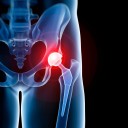
Hip prosthesis, risks of the surgery

- What does hip replacement surgery consist of?
- Risks of hip replacement surgery
- Risk of complications after hip replacement surgery
- Risk of dislocation or loosening of the implanted prosthesis
- Risks of prosthesis infection
- Risk of osteolysis or decomposition of adjacent bone
- Risk of fracture of the hip prosthesis
- Risks contraindicating hip replacement surgery

Come to Spain for your surgery or treatment
We manage everything from start to finish
What does hip replacement surgery consist of?
- Although rare, there are risks associated with hip replacement surgery.
- The best known risk of hip prosthesis implantation is that of hip infection, although this only occurs in 1-2% of cases.
- Although there are slight risks in hip surgery, it is still one of the most commonly performed surgeries in Spain and one of the surgeries with the best results in absolute terms.
Total or partial hip replacement surgery consists of replacing the damaged joint, mainly due to degenerative diseases such as osteoarthritis, with an artificial joint that will take over the function of the original joint.
The main aim of this intervention is to improve the patient's quality of life. Due to the degeneration caused in the joint by osteoarthritis, the patient has to live with pain that sometimes prevents him/her from sleeping, difficulties in moving and even the simple task of climbing a step or going downstairs to buy bread, as well as the deformation of the joint.
The advantages of hip surgery are clear: recovery of mobility, disappearance of pain, correction of the deformity and, in short, improvement in the patient's quality of life. The advantages are so clear and the results so successful that in Spain alone an average of 30,000 total hip replacement interventions are performed annually (around 50,000 knee replacements are performed), a figure that will increase over time due to the increase in life expectancy of the population.

However, as in all major surgeries such as total hip replacement surgery, there are risks both intraoperatively and postoperatively, and even risks in not undergoing hip replacement surgery. We will talk about all of these possible risks below.
Risks of hip replacement surgery
As with any other surgery, there are risks related to anaesthesia or any surgery, such as bleeding, infection or the formation of clots or thrombi, although, as with the rest, these risks are infrequent.
To avoid the risk of thrombi, the surgeon will give the patient a series of instructions to follow, such as the use of compression stockings, anticoagulant medication, periodic elevation of the legs or exercises to improve blood circulation.
Risk of complications after hip replacement surgery
The two main postoperative risks of hip replacement surgery are complications related to dislocation or loosening of the prosthesis and infection of the hip prosthesis, although osteolysis or fracture of the hip implant are also possible.
Risk of dislocation or loosening of the implanted prosthesis
Dislocation or loosening of the hip prosthesis is one of the most common serious complications in patients who have undergone hip replacement surgery, although in absolute terms it remains rare.
The risk of hip replacement dislocation decreases as time passes after the operation, and hip dislocations after 3-6 months are very rare. Also, nowadays, thanks to improvements in prostheses, the rate of hip dislocation has been greatly reduced, although it is still possible.
It is worth mentioning that dislocations can occur in any joint in the human body without a prosthesis (shoulder, elbow, etc.), so there is no cause for alarm.
There are also some factors that increase the risk of hip prosthesis dislocations:
- Hip replacements implanted for hip fractures have a higher risk of dislocation than those implanted for joints damaged by osteoarthritis.
- The age and muscle strength of the patient favours hip dislocation, with the risks being higher in elderly patients with poor muscle strength.
Despite this, it is a relatively easy complication to solve, and it is very important to treat it as soon as possible. To solve the problem, the hip can be repositioned with different manoeuvres, always under anaesthesia, or the patient can be re-intervened if this technique is not possible.

Risks of prosthesis infection
As mentioned above, the chances of infection of the hip prosthesis are minimal, occurring in less than 2% of patients. This risk is minimised by the use of antibiotics before, during and in the weeks following the hip operation.
In addition, both preoperatively and during the interview with the traumatology specialist who will perform the hip operation, the doctors make sure that there are no previous infections in the patient (cavities in the teeth, urinary tract infections) in order to minimise the risks.

Free Assessment for Contracting Medical Services
Operarme’s Patient Service will contact you and solve all your questions on the medical service you need.
However, the risk of hip replacement infection is present for two years after hip replacement, so your surgeon may advise you to take preventive antibiotics before dental work or surgery to prevent bacteria from entering the bloodstream and reaching the prosthesis and causing infection.
When this happens, the only option is to have a hip replacement, which can be a two-stage hip replacement or a single-stage hip replacement.
Risk of osteolysis or decomposition of adjacent bone
Osteolysis is the breakdown of bone that is in contact with the hip prosthesis, mainly due to the patient's body reacting to particles released from contact between the plastic and metal components of the prosthesis; contact between the hip components and the bone cement; or contact between the hip prosthesis and the natural bone particles damaging the implant components.
Risk of fracture of the hip prosthesis
Fracture of a hip prosthesis is very rare and complicated. However, it is possible if any of the following factors occur:
- Aggressive use of the joint by forcing it to the extreme.
- Excessive overweight of the patient
- Patients who are very physically active
To minimise the risk of fracture of the hip prosthesis, the only thing to do is to follow the doctor's recommendations to the letter and avoid excessive or unsuitable physical activity for a person with a prosthetic implant.

Risks contraindicating hip replacement surgery
Finally, mention should be made of the risks that contraindicate hip replacement surgery. As already mentioned, hip arthroplasty is only performed with the aim of improving the patient's quality of life, so if any of the following risks of complications exist, hip surgery is not indicated:
- The patient's bone is not strong enough or not strong enough to support a hip replacement.
- Hip surgery is contraindicated in cases where there are injuries to the nerves in the hip area.
- There is damage to the musculature of the joint or the muscles are atrophied.
- If the hip joint is unstable.
- If the bones of the joint are not fully developed.
- If there is considerable bone loss due to osteoporosis.
- If there is infection or you have rheumatoid arthritis with active skin lesions, due to the increased possibility of infection.
- If there is no problem with the natural hip.
However, despite all the possible risks of hip surgery, the advantages and the improved quality of life gained in most cases are well worth it. The most important thing is to have an experienced, high-quality surgeon and a hip prosthesis of the highest quality.

Assess your hip problem with our specialists
Purchase a private consultation with our traumatologists and receive a diagnostic on your hip issues.
Come to Spain for your surgery or treatment
We manage everything from start to finish
Medical disclaimer: All the published content in Operarme is intended to disseminate reliable medical information to the general public, and is reviewed by healthcare professionals. In any case should this information be used to perform a diagnosis, indicate a treatment, or replace the medical assessment of a professional in a face to face consultation. Find more information in the links below: