Differences between physiotherapy and rehabilitation
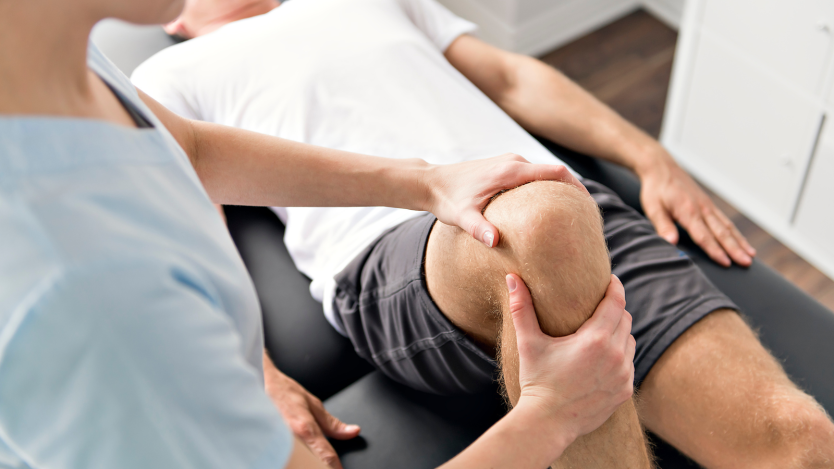
- What is physiotherapy?
- What is a physiotherapist and what do they do?
- What is rehabilitation?
- What is a rehabilitation doctor and what do they do?
- Bibliography
- Source information

Come to Spain for your surgery or treatment
We manage everything from start to finish
Although physiotherapy and rehabilitation share certain techniques, training and treatments, it is important to know that they are conceptually different.
The purpose of physiotherapy is much broader and more complex, whereas rehabilitation is much more specific.

Physiotherapy and rehabilitation sessions
Buy quickly and with Operarme guarantees at your nearest centre.
The fundamental difference between the work of a rehabilitation doctor and a physiotherapist lies in the techniques and means they use to help the patient recover. However, physiotherapy is often part of the patient’s rehabilitation process.
What is physiotherapy?
First of all, the word physiotherapy comes from Greek: “physis” (nature) and “therapeia” (treatment).
It is also worth knowing how the following organisations define it:
- Physiotherapy is the art and science of treatment through therapeutic exercise, heat, cold, light, water, massage and electricity – World Health Organization (WHO).
- Physiotherapy is a healing method using natural or artificial physical means, such as air, water or light – Royal Spanish Academy (RAE).
A physiotherapist is not just a trainer, assistant or masseur: their expertise is deeper and more complex than stereotypes suggest.

Physiotherapy aims to develop the body’s systems, and its scope goes far beyond what we usually associate with it: training, massage therapy, exercise, etc.
It is a therapeutic option that aims to relieve the symptoms of many conditions, both acute and chronic, through therapeutic exercise and manual methods and techniques.
What is a physiotherapist and what do they do?
A physiotherapist is a healthcare professional with a university degree in physiotherapy, with knowledge of anatomy, physiology and osteology.
This allows them to plan and monitor the different therapeutic applications properly and professionally, which is key to understanding the difference between physiotherapy and rehabilitation.

Physiotherapy and rehabilitation sessions
Buy quickly and with Operarme guarantees at your nearest centre.
To understand the difference, it also helps to know how physiotherapy has specialised over time. There are different types of physiotherapists:
- Neurological. Treats problems caused by diseases and disorders of the brain and nervous system.
- Paediatric. Specialised in children.
- Geriatric. Specialised in older people.
- Cardiopulmonary. Specialised in people with heart and lung diseases and disorders.
- Musculoskeletal and orthopaedic. Treats problems of the musculoskeletal system.
What is rehabilitation?
The World Health Organization (WHO) defines rehabilitation as:
A set of interventions designed to optimise functioning and reduce disability in individuals with health conditions in interaction with their environment.
There are several aspects of rehabilitation to bear in mind:
- It is a continuous, comprehensive process with a limited duration and clear goals for each patient. The aim is for the patient to recover from a specific condition, following the instructions of the rehabilitation specialist, with specific treatment.
- Rehabilitation also combines several converging processes, with the sole aim of restoring the patient’s optimal functional state.
Rehabilitation helps recover the physical or health status lost after an illness.
Injuries to muscles, ligaments, tendons, joints and bones usually require physical rehabilitation. The aim is to help people improve their mobility and physical abilities through exercise, massage and other techniques.

Its diagnosis is complex and must be carefully considered, as specific, visible and measurable parameters of functional activity must be studied: stride length, distance between the feet, muscle balance, etc. Even so, the patient notices the benefits of therapy at each session.
What is a rehabilitation doctor and what do they do?
A rehabilitation doctor is, first of all, a physician: they study medicine and then specialise in physical medicine and rehabilitation.

During their specialisation, they train in areas such as traumatology, rheumatology, neurology, the respiratory tract, spinal cord injury, speech therapy and the pelvic floor, so they treat a wide range of conditions.
The main (but not only) conditions treated by a rehabilitation doctor are:
- Traumatological
- Rheumatic
- Respiratory
- Neurological
In short, the main difference between a physiotherapist and a rehabilitation doctor lies in the specialised medical diagnosis. Although a physiotherapist can recognise the problem, it should be the rehabilitation doctor who makes the diagnosis and then coordinates the treatments the physiotherapist carries out for the patient’s recovery.
If you need treatment from a specialist, Operarme offers a wide range of physiotherapy and rehabilitation services.
Physiotherapy and rehabilitation sessions
Buy quickly and with Operarme guarantees at your nearest centre.
You can also contact our patient service team with any questions by calling +34 91 141 33 56 or filling in the contact form so we can call you back.
Bibliography
Sources in Spanish:
- FUNDAMENTOS DE LA FISIOTERAPIA. (2021). Infomed. http://www.sld.cu/galerias/pdf/sitios/rehabilitacion-doc/fundamentos_de_la_fisioterapia.pdf
- Medicina de Rehabilitación. (2021). Infomed. http://www.sld.cu/sitios/rehabilitacion/temas.php?idv=615
Come to Spain for your surgery or treatment
We manage everything from start to finish
Dr. Antonio Rebollo Marina
Médico Asistencial en Centro Médico Caser
Nº colegiado: 282834715
Medical disclaimer: All the published content in Operarme is intended to disseminate reliable medical information to the general public, and is reviewed by healthcare professionals. In any case should this information be used to perform a diagnosis, indicate a treatment, or replace the medical assessment of a professional in a face to face consultation. Find more information in the links below: