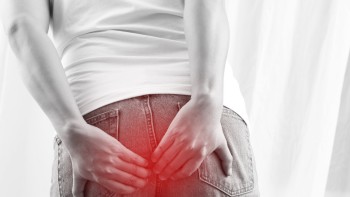
Anal Fissure surgery and Haemorrhoids: Can they be solved at the same time?
- Causes of both pathologies: Haemorrhoids and Anal Fissure
- Symptoms of haemorrhoids and anal fissure
- Treatment of haemorrhoids and anal fissure at the same time
- Recovery from haemorrhoid and anal fissure surgery

Come to Spain for your surgery or treatment
We manage everything from start to finish
Anal fissures and haemorrhoids are two of the most common general surgical problems seen in patients. More specifically, these problems are associated with the anus and cause very similar symptoms and discomfort, so they can easily be confused.
However, on other occasions, there are patients who have both pathologies at the same time, which can be even more annoying.
- Haemorrhoids and anal fissures are problems of the anus, which is why they can sometimes occur at the same time and be solved in the same surgery.
- The main characteristic of anal fissures is the pain they cause, but this is not always the case with haemorrhoids.
- The most effective and definitive treatment, both for anal fissures and haemorrhoids, is surgery to remove them.
At this point, it is important to point out that the diagnosis should be made by a specialist in general and digestive system surgery, who will be able to determine whether it is an anal fissure, haemorrhoids or both at the same time.

Do you need laser haemorrhoid surgery?
Request a free and immediate appointment with our specialists in General surgery
If you are thinking of having both haemorrhoid and anal fissure surgery, you can request an immediate, free consultation through our contact form.
Causes of both pathologies: Haemorrhoids and Anal Fissure
The causes of the appearance of haemorrhoids and anal fissure at the same time can also be associated, since when they occur separately, some of the causes are practically the same. These causes may be:
- Diarrhoea: In the case of haemorrhoids, chronic or frequently occurring diarrhoea can lead to irritation of the haemorrhoidal veins, causing inflammation. Similarly, liquid faeces can cause burning in the anus, which weakens the anal mucosa and leads to tearing, i.e. anal fissure.
- Constipation: In the complete opposite way to diarrhoea, constipation can also cause inflammation of the haemorrhoidal veins and anal fissure. This is because straining during defecation affects the blood flow in the area, causing blood to pool and swelling of the haemorrhoidal veins. Straining during defecation and lack of lubrication of the anal canal also causes damage to the mucosa, which can lead to anal fissure.
- Pregnancy and/or childbirth: Due to the weight of the foetus inside the mother's uterus, pressure is exerted on the iliac veins, which induces the appearance of haemorrhoids. As a cause of pregnancy, the mother may also experience constipation, which as mentioned above can cause both problems, anal fissure and haemorrhoids.
- Haemorrhoids: On the other hand, haemorrhoids themselves can also be the cause of anal fissure, as they can cause damage to the anal mucosa and thus lead to anal fissure. On the other hand, the opposite may occur, whereby a haemorrhoid may appear as a reaction to an anal fissure, a so-called "sentinel haemorrhoid".

Symptoms of haemorrhoids and anal fissure
As well as the causes, the symptoms of both pathologies are also in some cases the same, as both pathologies are located in the same area and affect the same tissue.
Some of the symptoms that occur when haemorrhoids and anal fissure occur at the same time may be:
- Pain: This is more characteristic of anal fissures than of haemorrhoids (in their case it usually occurs when they are severe). The pain is mainly experienced when stool passes through the anal canal. This pain can last for a few minutes or even hours. If the haemorrhoids are severe and there is also an anal fissure, the pain will be quite noticeable.
- Anorectal bleeding: In both pathologies the bleeding is bright red and appears on toilet paper or even in the faeces. The bleeding is due to the contact of the faeces with the damaged area.
- Itching: This is the most characteristic feature along with the pain, as it is the presence of the mucosa that causes this itching or burning in the anal area. This mucus may also stain underwear.
- Discomfort: When sitting, lying down or changing position, the fissure and haemorrhoids can cause discomfort to the patient.

Treatment of haemorrhoids and anal fissure at the same time
There are two types of treatment to solve both problems, either at the same time or separately.
Conservative treatment
Some of the measures that the specialist will indicate for the disappearance of both anal fissures and haemorrhoids are as follows:
- Follow a diet rich in fibre: To avoid constipation and, therefore, the worsening of the fissure and haemorrhoids, it is advisable to follow a diet rich in fruit, vegetables, cereals, pulses, whole grain foods, etc. This will facilitate the expulsion of faeces.
- Sitz baths: It is advisable to take sitz baths with cold or warm water and soap after each bowel movement instead of using toilet paper, as this improves hygiene in the area, as well as relaxing the sphincter.
- Pharmacological treatment: The specialist may also recommend the application of ointments containing anaesthetics and anti-inflammatories, which will lubricate the area and reduce inflammation.
- Drinking plenty of fluids: Drinking plenty of fluids (at least one and a half litres a day), as well as a diet rich in fibre, makes it easier to pass stool, as it softens it.
This conservative treatment may or may not work, as the area to be treated is very delicate. If it does not work, either because the problem is too advanced or for other reasons, the definitive treatment to eliminate both the haemorrhoids and the anal fissure is surgery.

Surgical treatment
In this case it will be the specialist who will recommend surgery or not.
In answer to the question we asked at the beginning of this article ("Fissure operation and haemorrhoids, can they be repaired at the same time?"), the answer is yes. Both pathologies can be repaired in the same operation, in which a haemorrhoidectomy and a sphincterotomy are performed.
Haemorrhoidectomy is the operation by which the vascular plexus (the group of haemorrhoidal veins) that causes haemorrhoids is removed. Sphincterotomy is the operation by which an anal fissure is repaired.
Once the intervention for both pathologies has been carried out, the patient will notice a notable improvement in the symptoms and discomfort suffered with both problems.
Both surgeries will last approximately one and a half hours, depending on the severity of the problem and the patient's personal characteristics.

Do you need laser haemorrhoid surgery?
Request a free and immediate appointment with our specialists in General surgery
Recovery from haemorrhoid and anal fissure surgery
The recovery or postoperative period for both operations performed in the same operation will require more care than if only one of the two operations were performed separately, as the area will be even more sensitive.
As a general rule, the patient will be hospitalised for 24 hours.
Before leaving the hospital, the specialist will give a series of instructions and recommendations that the patient must follow carefully to speed up the recovery process and to avoid suffering post-operative symptoms. Some of these instructions will include: eating foods with a lot of fibre, taking two or three sitz baths a day to clean the wound, taking laxatives if there is constipation, etc.
If the measures are followed properly, the wounds will heal successfully and the haemorrhoids and anal fissures will most likely not reappear.
As for the patient's total recovery time, it will be approximately one month for anal fissures and 10-15 days for haemorrhoids, provided that everything goes well, so total recovery can be a month or a month and a half.
Finally, it should be noted that the intervention of both pathologies is safe and does not usually have any complications, so it is highly recommended for patients suffering from these pathologies at the same time (or separately), as they will see an almost immediate improvement of the bothersome symptoms.
Do you need laser haemorrhoid surgery?
Request a free and immediate appointment with our specialists in General surgery
Come to Spain for your surgery or treatment
We manage everything from start to finish
Medical disclaimer: All the published content in Operarme is intended to disseminate reliable medical information to the general public, and is reviewed by healthcare professionals. In any case should this information be used to perform a diagnosis, indicate a treatment, or replace the medical assessment of a professional in a face to face consultation. Find more information in the links below: