Aftercare after haemorrhoid surgery
- General recommendations after haemorrhoid surgery
- Other recommendations for after haemorrhoid surgery
- Get rid of haemorrhoids with Operarme

Come to Spain for your surgery or treatment
We manage everything from start to finish
- After haemorrhoid surgery, you should be very clear about what self-care you need to do at home. Read this article if you are planning to have an operation.
- After haemorrhoid surgery, you can expect to be well in about 15 days.
- Fighting constipation from day one will give you quality of life from the day after the operation.
As you may already know, or you can read about it in our other articles on haemorrhoid surgery, not all cases of this pathology should be treated surgically, only the most serious cases that coincide with grades 3 and 4.

Free Assessment for Contracting Medical Services
Operarme’s Patient Service will contact you and solve all your questions on the medical service you need.
The appearance of haemorrhoids is due to multiple factors, the main ones being a poor diet in fibre, a sedentary lifestyle and in some cases a genetic predisposition to suffer from them.
Once the haemorrhoids have appeared and have worsened to degrees 3 and 4 of severity, as we have mentioned, the specialist in General and Digestive System Surgery will normally recommend surgery to remove the haemorrhoids, which is a common procedure that doctors are used to performing.
General recommendations after haemorrhoid surgery
Diet is closely related to bowel rhythm and stool consistency. Avoiding constipation from the very first minute of the operation will be extremely important.
If, after the operation, bowel movements become difficult and painful, we run the risk of delaying healing due to small tears. But above all, we will have a very bad time and will avoid going to the toilet for fear of having a painful bowel movement.
For this reason, you should take great care with your diet, which should generally be rich in fibre and drink at least 1.5 litres of water a day.
It is very important to avoid very spicy or spicy foods that would irritate the anal area during defecation and cause you to have a bad time. In this article we are going to recommend a small dietary guide that can help you to recover ideally during the postoperative period after haemorrhoid surgery.
Diet
The foods that should not be missing in your diet are:
- Wholegrain cereals every day: They are very rich in fibre and also provide vitamins and trace elements. They help to balance and complete the diet. This group includes wholemeal multigrain breads (wheat, rye, seeds), brown rice, wheat pasta, etc.
- Fruits every day: Fruits provide us with fibre, water and many vitamins. In general, we can recommend all fruits, but some especially stimulate intestinal transit, such as kiwi, plums, pineapple, oranges and tangerines.
- Pulses: You should eat pulses 2-3 times a week. They are an important source of fibre and protein.
- Vegetables: You should eat this product every day, either in the form of a salad with fresh vegetables or a vegetable dish that you can cook in an infinite number of ways with an infinite number of seasonal vegetables. They provide a lot of fibre, minerals and some, as well as a lot of protein such as peas. Fruit, vegetable and vegetable smoothies are very healthy. Don't forget them.
- Nuts and seeds: They are another very important source of fibre, some of them, such as walnuts, are heart-healthy, you can mix nuts in salads or with desserts such as yoghurt. Be sure to eat some nuts and dried fruit every day.
- Fluids: You should drink a minimum of 1.5 litres of water a day. You can use other liquids but what we recommend is water, and if it is a weak water, low in salts, the better.
Even if you eat a rich, balanced and varied diet, your bowel movements may not be regular. In this case, we recommend using the laxative your doctor prescribes. Constipation must be corrected in any case.
Prohibited foods
On the other hand, we should avoid foods that will irritate the anus during defecation, as they are irritants in themselves. In fact, they already start to irritate the tongue, for example, as soon as they are ingested. The anal mucosa is much more sensitive than the tongue.
We all know that hot, spicy or spicy foods irritate the anal mucosa, so we should generally avoid them.

Alcohol is another irritant of the digestive tract, irritating the gastric mucosa, the intestines and of course the mucosa of the anus. Higher alcoholic alcoholic beverages are the most irritating.
Finally, tobacco, although not a food, is another irritant of the entire digestive tract mucosa. If you smoke, now that you are going to have haemorrhoid surgery, it might be a good time to start taking care of yourself and stop smoking.
Physical exercise
A sedentary lifestyle is a risk factor for the development of haemorrhoids and for the poor development of haemorrhoids. You should therefore take some form of physical exercise for life, for example walking, very seriously. But you must be very consistent.
Movement in general promotes venous return and prevents blood stasis. Get moving. Take it seriously. It is your life, but above all it is your quality of life. Invest in health, invest in happiness, take care of yourself, no one can do it for you.
Other recommendations for after haemorrhoid surgery
Before undergoing surgery, it is important that you know some of the care you will need to take to ensure an optimal recovery in the shortest possible time.
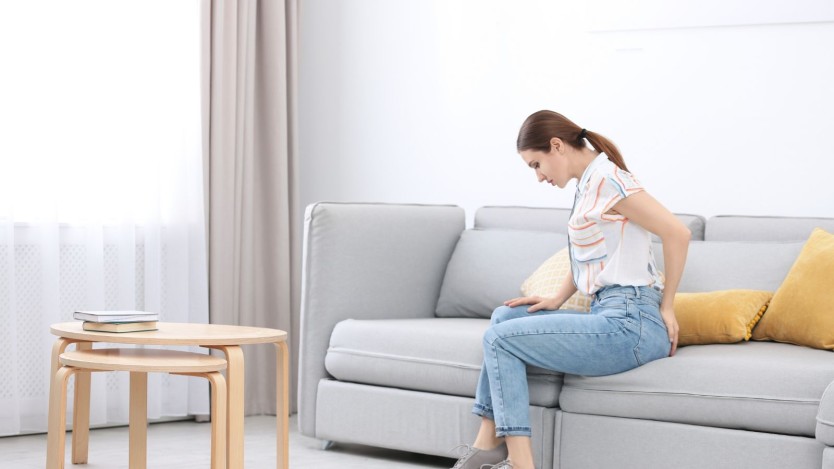
Don't have any doubts, ask your surgeon everything you need to know. Cures, how to sit, etc.
- Sitz baths: This name, which sounds like ancient medicine, consists of bathing the buttocks in warm water. It has the purpose of performing good hygiene and above all it is very comforting because it relaxes the sphincter and the muscular tension in the submerged area in general. It is very comforting and soothing. Afterwards, it is important to dry the area with a cotton towel without rubbing the area, just soaking it, so as not to cause any injury to the anal area.
- Improve your venous return by keeping your legs up when sitting.
- Do not wear tight clothing around the waist, tight belts, tight-fitting clothes, as this can cause blood accumulation in the pelvis and dilation of the venous vessels in the anal area. Do not wear very tight trousers. Use cotton underwear. It is more breathable and prevents the skin from getting wet, especially in the folds where fungal infections can develop. In addition, if the skin and mucous membranes are damp, they heal later and there is a risk of infection. Cotton clothing is therefore ideal to avoid this type of complication.

The most important thing is that if you follow the recommendations that we propose, in about 15 days after the operation, you will be living a normal life.
The increase in quality of life after the haemorrhoid operation, and once the days of convalescence have passed, will be enormous. You will think that you should have had the operation earlier.
Get rid of haemorrhoids with Operarme
If you are thinking of having haemorrhoids surgery to eliminate them definitively, remember that you can request an immediate and free surgical assessment consultation with one of our General and Digestive System Surgery Specialists so that you can get to know them, familiarise yourself with your case and decide on the best option to eliminate the problems definitively.
You can request a free consultation below:

Do you need haemorrhoids surgery?
Request a free and immediate appointment with our specialists in general surgery
Come to Spain for your surgery or treatment
We manage everything from start to finish
Medical disclaimer: All the published content in Operarme is intended to disseminate reliable medical information to the general public, and is reviewed by healthcare professionals. In any case should this information be used to perform a diagnosis, indicate a treatment, or replace the medical assessment of a professional in a face to face consultation. Find more information in the links below: