14 things to know about bunion surgery

Come to Spain for your surgery or treatment
We manage everything from start to finish
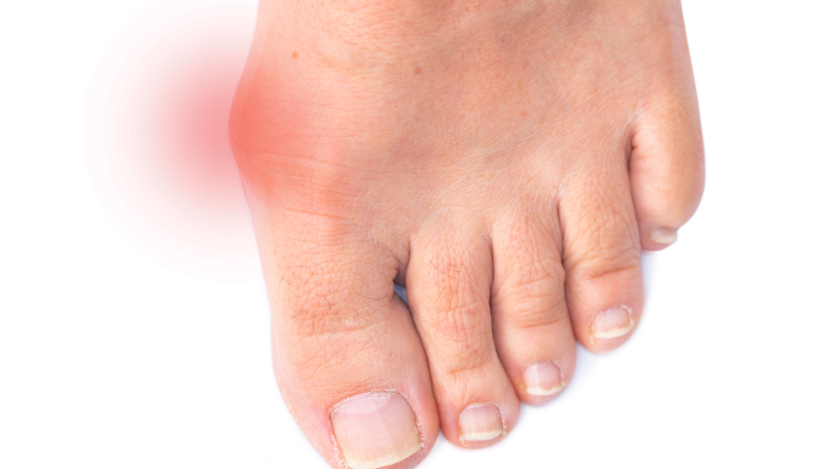
- Bunions are a direct consequence of hallux valgus, the deviation of the first metatarsal at the base of the big toe.
- A bunion is the bump that forms when the deviation makes the bone stick out and press on the tissue, which becomes inflamed.
- Surgery is the only effective way to correct hallux valgus and therefore the bunion.
The main causes of bunions are heredity on the one hand and unsuitable footwear on the other.
As for genetics, what is inherited is the predisposition and walking pattern that favour hallux valgus, not the bunion itself. Unsuitable footwear means shoes that are narrow at the toe and put pressure on the toes, such as high heels and ballet shoes, which is why bunions are more common in women.

Do you need bunion surgery?
Request a free appointment with no waiting time with one of our specialists
Bunions do not appear overnight: they develop after years of pressure on the toes and abnormal walking patterns.

Once the bump has formed, it cannot disappear on its own; the deviation must be corrected surgically.
Below are some important things to know about bunion surgery.
What you need to know about bunion surgery
- Surgery is the only way to correct hallux valgus and therefore bunions.
- There are several types of bunion surgery, but the most common are with and without osteotomy.
- Both techniques are usually performed as a day case or with one night in hospital.
- In hallux valgus surgery with osteotomy, the surgeon cuts the first metatarsal to realign it, removes the protruding bone and fixes it with screws: Hallux valgus (bunion) surgery with osteotomy
- In the technique without osteotomy, the patient is not “opened up”: small incisions are made through which instruments are inserted to remove the exostosis and correct the soft tissues. It is indicated for mild cases and shortens recovery: Hallux valgus (bunion) surgery without osteotomy.
- Once the deviation is corrected and the bump removed, the bone no longer presses on the tissue and the bunion discomfort disappears.
- Recovery is shorter after surgery without osteotomy, as the soft tissues are less damaged.
- After surgery without osteotomy, a spacer is placed between the toes to hold the correction; after osteotomy, a post-operative shoe is worn for the first few weeks.
- Both operations last approximately 30 to 90 minutes.
- Bunion surgery is the best option when the bunion causes pain and discomfort, as it allows the patient to return to normal daily activities.
- If the hallux valgus deviation is not corrected, it may get worse and cause more serious foot deformities, such as claw toes or hammertoe, which are more complicated to operate on.
- The price of hallux valgus (bunion) surgery with osteotomy is 3.190 €, an all-inclusive fixed price.
- The price of hallux valgus (bunion) surgery without osteotomy is from €2,490, an all-inclusive fixed price.
- The assessment consultation with the specialist in Traumatology at Operarme is free and immediate.
As we can see, bunion surgery is the best option to correct hallux valgus and the bunion, with a low risk of recurrence. The technique without osteotomy is only suitable for patients with mild deviations, so the specialist in Traumatology will decide which technique is right.

Do you need bunion surgery?
Request a free appointment with no waiting time with one of our specialists
With surgery without osteotomy, postoperative pain and recovery times are shorter, as the incisions are smaller, so the patient can return to daily activities more quickly.
Explanatory video on hallux valgus (bunions)
Video (in Spanish):
Come to Spain for your surgery or treatment
We manage everything from start to finish
Medical disclaimer: All the published content in Operarme is intended to disseminate reliable medical information to the general public, and is reviewed by healthcare professionals. In any case should this information be used to perform a diagnosis, indicate a treatment, or replace the medical assessment of a professional in a face to face consultation. Find more information in the links below: