10 things you didn't know about carpal tunnel and its surgery

- Carpal tunnel syndrome
- What you need to know about carpal tunnel and its surgery
- I want to solve my carpal tunnel syndrome problem

Come to Spain for your surgery or treatment
We manage everything from start to finish
- Carpal tunnel syndrome is a very common condition, whose symptoms are numbness, tingling and pain in the wrist and fingers.
- Carpal tunnel syndrome surgery is a simple operation that releases the compression of the median nerve at the wrist.
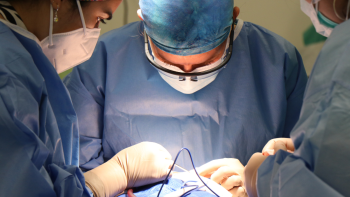
- Carpal tunnel surgery is an outpatient procedure lasting about 15-30 minutes and can be performed through a mini-incision or endoscopically.
Carpal tunnel syndrome
The carpal tunnel is a passageway in the wrist through which the median nerve and the finger flexor tendons pass. The tendons allow the fingers to move, while the median nerve gives them feeling and controls some thumb muscles. The tunnel is very narrow, so any inflammation or thickening of the tissues around the tendons, however small, compresses the nerve and causes symptoms.

Do you need carpal tunnel surgery?
Request a free and immediate appointment with our specialists in Traumatology
The most common symptoms are numbness, tingling and pain, sometimes with an electric shock sensation, especially in the thumb, index and middle fingers. Pain or strange sensations often spread up the forearm and even to the shoulder, and over time loss of hand strength may appear.
Genetic inheritance plays a role in its causes, as in some families the carpal tunnel is narrower.
In addition, hormonal changes during pregnancy can cause swelling in the tunnel, and age also plays an important role.
Repetitive and intense use of the hand favours its development, as do conditions such as diabetes, rheumatoid arthritis or thyroid problems.
What you need to know about carpal tunnel and its surgery

- If you notice persistent tingling or numbness in your fingers, especially at night or when bending your wrist, see a doctor to check whether it is carpal tunnel syndrome.
- Another warning sign is loss of strength or dexterity in the hand: dropping objects or difficulty doing up buttons.
- A good way to relieve and prevent symptoms is to keep your wrists straight while sleeping, for example with a night splint, to avoid forced positions.
- Taking breaks from repetitive work and keeping your wrists in a good position when using a keyboard or tools helps reduce discomfort.
- The first step in diagnosis is a physical examination of the hands, arms, shoulders and neck, to rule out other conditions that mimic the symptoms, such as neck problems. The diagnosis is confirmed with electromyography.
- There are non-surgical treatments, such as a night splint, exercises and stretching or corticosteroid injections.
- Surgery consists of cutting the transverse carpal ligament to open the carpal tunnel and relieve the pressure on the median nerve.
- Surgical risks are uncommon: infection, injury to the median nerve or its branches, persistent weakness or numbness in the hand and scar tenderness.
- Recovery time depends mainly on the severity and how long the syndrome has been present: tingling usually improves quickly, while strength and sensation return gradually.
- This surgery has a high success rate: around 90% of patients improve clearly and return to work after the recovery period.
I want to solve my carpal tunnel syndrome problem
If you are considering the possibility of undergoing surgery for carpal tunnel syndrome with Operarme in a private hospital, remember that you can request a free and immediate pre-surgical assessment consultation with one of our specialists in traumatology, so that you can meet, assess and familiarise yourself with your case and decide on the best option.
You can make a free appointment by clicking below:

Do you need carpal tunnel surgery?
Request a free and immediate appointment with our specialists in Traumatology
Come to Spain for your surgery or treatment
We manage everything from start to finish
Medical disclaimer: All the published content in Operarme is intended to disseminate reliable medical information to the general public, and is reviewed by healthcare professionals. In any case should this information be used to perform a diagnosis, indicate a treatment, or replace the medical assessment of a professional in a face to face consultation. Find more information in the links below: